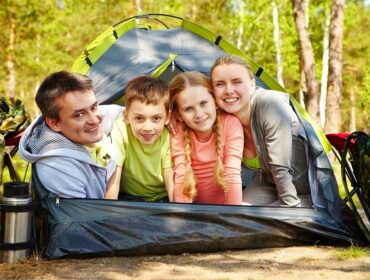
Camping is one of those timeless outdoor activities that allow you to experience the beauty of nature in the frontcountry without hauling gear for miles in the backcountry. Most campsites you can drive up to and unload your gear at the site. However, that doesn’t mean the idea of camping can’t be overwhelming for people getting started. There can seem to be endless gear options. If you don’t know where to begin, an enjoyable time in the outdoors can get frustrating and uncomfortable. That’s why we’ve created the ultimate camping guide for beginners, to walk you through everything you need to get started. We even have an easy-to-follow packing checklist at the end of the article, so you make sure to bring everything you need.
Here are the topics we’ll be covering in this camping guide for beginners:
- Essential camping gear
- What to wear
- Toiletries
- Food and nutrition
- Hydration
- Where to go
- Safety tips
- “Leave No Trace” Principles
Load up the car, and let’s hit the road. It’s time to unpack the topic of camping.

Essential camping gear
While there are a ton of options for camping, the core essentials are centered around your tent or living quarters.
You’ll need:
- 2 or 3 person tent and tent footprint
- Sleeping bag
- Sleeping pad
- Camp/tent light
- Camping pillow
- Medical and first aid kit
- Packable towel
- Headlamp
- Campsite power station (for phones and other electronics)
- Knife (for utilitarian and/or defensive use)
- Hand warmers (for colder seasons)
- Trowel (if your campsite doesn’t have toilets)

What to wear
When it comes to what to wear, it’s important to have clothing that keeps you warm, dry, and comfortable. You should also bring the right amount of layers in case the temperature drop at night.
You also want to be sure to stay away from cotton clothing. Cotton is heavy, fast-absorbing, and slow-drying. You want to be comfortable and dry around your campsite, so cotton is a no-go.
Here is the list of what to wear:
- Chacos, hiking shoes, or comfortable camp shoes
- Wool or synthetic hiking socks
- Layering system (depending on the season):
- Base layers: Typically, top and bottom layers, made out of materials like lamb or alpaca wool, synthetic polyester
- Polyester, bamboo, or wool-blend short or long sleeve tees
- Hiking shorts and pants (in case you need to layer up)
- Swimwear, in case you’re by a lake or river that’s swimmable
- Underwear (non-cotton)
- Gloves and beanie (for colder weather)
- Extra clothes (depending on the length of trip)
Toiletries
While you do want to take care of yourself, try to limit your toiletry products since some aren’t good for the outdoors. Only bring the essentials to keep things simple and easy.
Here are some examples:
- Toothbrush and toothpaste
- Deodorant
- Wet wipes
- Toilet paper
- Bug spray
- Plastic zip-lock bags or small trash bags for trash
- Sunscreen (mineral-based, in case you are around a lake or river and want to enjoy the water without contaminating it)
- Camp soap (if your campsite has a shower)
- Chapstick with SPF protection

Food and Nutrition
Regardless of the length of your camping trip, it’s always important to bring more than enough food. Whether you stick with dehydrated camping food (that’s actually super tasty) or bring you ingredients for more complex meals, make sure to bring storage options for both refrigerated and no-refrigerated items. Use a cooler or portable camp fridge for perishables or items you want to be kept cold. You should then use a dry storage container for nonperishables.
Here are the essentials for cooking while camping:
- Camping stove (propane option or wood-burning option)
- Stove propane fuel
- Camping pots and pans
- Dry storage (for non-refrigerated items)
- Portable cooler or camp fridge
- Firestarter, matches, or lighter
- Eating utensils
- Camping food and snacks
- Seasoning containers
- Camp-friendly coffee
Hydration
Hydration is always important when camping. You should always drink several liters of water each day. Typically, most campsites will have water spigots or a water source nearby where you can refill and filter your water supply for cooking and drinking.
Here are some essential hydration pieces you need in your camping kit:
- Self-filtering water bottle
- Water storage (if camping in a location with no major water sources)
- Water purification tablets
A self-filtering water bottle, like a Grayl bottle, or even a reservoir filtration system like the Platypus GravityWorks 4.0L Water Filter, provides even greater filtration opportunities and allows for clean water in case your campsite doesn’t have a good water source.

Where to go camping
When it comes to the United States, there are endless places to explore in almost every state. But there are a few that are truly exceptional, with multiple options for any experience level.
Here are some amazing camping destinations, from east to west:
- Acadia National Park, Maine
- Baxter State Park, Maine
- White Mountains National Forest, New Hampshire
- The High Peaks Wilderness, Adirondack Mountains, New York
- Shenandoah National Park, Virginia
- Great Smoky Mountains National Park, Tennessee/North Carolina
- Linville Gorge Wilderness, North Carolina
- Red River Gorge, Kentucky
- Big Bend National Park, Texas
- Ozark National Forest, Arkansas
- Badlands National Park, South Dakota
- Rocky Mountain National Park, Colorado
- Gunnison National Forest, Colorado
- San Juan National Forest, Colorado
- Grand Teton National Park, Wyoming
- Wind River Range, Wyoming
- Glacier National Park, Montana
- Sawtooth National Forest, Idaho
- Canyonlands National Park, Utah,
- Grand Staircase of the Escalante, Utah
- Sedona, Arizona
- Grand Canyon National Park, Arizona
- Great Basin National Park, Nevada
- Lake Tahoe, Nevada/California
- Yosemite National Park, California
- Sequoia & Kings Canyon National Parks, California
- Joshua Tree National Park, California
- Redwoods National and State Parks, California
- Three Sisters Wilderness, Oregon
- Willamette National Forest, Oregon
- Mount Hood National Forest, Oregon
- Columbia River Gorge National Scenic Area, Oregon/Washington
- Mount Rainier National Park, Washington
- Olympic National Park and Forest, Washington
- Alpine Lakes Wilderness, Washington
- North Cascades National Park, Washington
- Denali National Park, Alaska
- The Talkeetna Mountains, Alaska
- Kōkeʻe State Park and Nā Pali Coast State Wilderness Park, Kauai, Hawaii
- Haleakalā National Park, Maui, Hawaii

Safety tips
Now, it’s time to talk about safety. Camping is one of the most enjoyable outdoor experiences. Although, you’re still in the wild so you need to always be mindful.
Here are six simple tips that will help keep you safe while camping:
- Consult with a park ranger or official before camping. Park rangers and officials will know about campsite closures, weather or wildlife alerts, and other information that can be helpful — and even save your life.
- For example, this year in Zion National Park, there was a massive, poisonous algae bloom on the Virgin River near several campsites. Many visitors got sick from drinking the water without knowing there was a safety concern. Even in a safer place like a campsite, it always pays to ask a ranger or park official before setting up camp.
- Be prepared for changing weather. Another rule of thumb is to always prepare and be on the lookout for changing weather that could turn dangerous fast. Whether you’re in the mountains or high desert during monsoon season, storms can form in a matter of minutes. It’s important to pack what you need in case the weather turns stormy. Always be watching for systems rolling in.
- Be prepared for changing weather. Another rule of thumb is to always prepare and be on the lookout for changing weather that could turn dangerous fast. Whether you’re in the mountains or high desert during monsoon season, storms can form in a matter of minutes. It’s important to pack what you need in case the weather turns stormy. Always be watching for systems rolling in.
- Be bear aware. One of the most frequently seen and dangerous animals while camping are bears. In the lower 48 states, black and grizzly bears are most common. While most are equally as afraid of us as we are of them, it’s best to be aware and bring the right gear while camping.
- Keep all your scented items in storage. This even includes deodorant and toothpaste. Place that storage at least 50 yards away from your campsite to eliminate the chance of a hungry bear stumbling into your tent at night searching for food.
- Finally, if you are camping in bear country, bring bear spray and a knife. You hope to never use either, but it’s good to have both at your campsite in case you need them.
- Dealing with bears can be scary. Although, if you bring the right gear and stay proactive, you should have very little trouble while camping.
- Bring the right essentials for the season and elements. It’s important to always bring the right essentials for the season. Whether it’s bug spray, sunscreen, or hand warmers, the smallest essentials can make the biggest difference and make for a more enjoyable trip.
- Don’t be ashamed to reschedule your camping trip. Last but not least, don’t be ashamed to reschedule your camping trip. Whether you’re concerned about the weather or wildlife, if you feel uneasy, it’s probably best to take a raincheck.
Practice “Leave No Trace” Principles
Finally, let’s end with one of the most important topics that covers every out activity in the outdoors. It’s called “Leave No Trace.” This slogan is centered around being responsible in the outdoors and doing everything we can to preserve the beauty of our natural planet. There are seven easy principles to remember to help you enjoy the outdoors responsibly.
The Seven “Leave No Trace” Principles:
- Plan ahead and prepare
- Travel and camp on durable surfaces (or 100 feet from a water source)
- Dispose of waste properly (pack in and pack out everything)
- Leave what you find
- Minimize campfire impacts and never start a fire during an active fire ban
- Respect wildlife
- Be considerate of other visitors
Again, all these are simple but, if abided by, makes everyone’s outdoor experience so much better. If we care about experiencing the outdoors, we should care about protecting and conserving it.
Checklist of all camping essentials:
- 2 or 3 person tent and tent footprint
- Sleeping bag
- Sleeping pad
- Camp/tent light
- Camping pillow
- Medical and first aid kit
- Packable towel
- Headlamp
- Campsite power station (for phones and other electronics)
- Knife (for utilitarian and/or defensive use)
- Hand warmers (for colder seasons)
- Trowel (if your campsite doesn’t have toilets)
- Cooking/Food:
- Camping stove (propane option or wood-burning option)
- Stove propane fuel
- Dry storage (for non-refrigerated items)
- Portable cooler or camp fridge
- Camping food and snacks
- Camp-friendly coffee
- Hydration:
- Water storage ( (if camping in a location with no major water sources)
- Water Purification tablets (always good to have)
- Toiletries:
- Toothbrush and toothpaste
- Deodorant
- Wet wipes
- Toilet paper
- Bug spray
- Plastic zip-lock bags or small trash bags for trash
- Sunscreen (mineral-based, in case you are around a lake or river and want to enjoy the water without contaminating it)
- Camp soap (if your campsite has a shower)
- Chapstick with SPF protection
- What to wear:
- Layering System (depending on the season):
- Base layers: Typically, top and bottom layers, made out of materials like lamb or alpaca wool, synthetic polyester
- Swimwear, in case you’re by a lake or river that’s swimmable
- Underwear (non-cotton)
- Extra clothes (depending on the length of trip)
- Layering System (depending on the season):
Article and some photos by Nathan Lee Allen
Nathan Lee Allen is a storyteller and photographer from Kentucky. Check out his work on his website nathanleeallen.com, on Facebook.com/peaktopierglobalstudio, and Instagram @nathanleeallen.