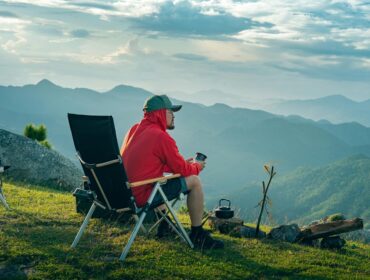
There’s nothing like hitting the trail with your best friend—especially when that friend has four legs and a wagging tail. Hiking with dogs can be one of the most rewarding outdoor experiences, offering shared exercise, fresh air, and a stronger bond. But it also takes preparation to ensure your pup’s safety and comfort.
Here’s a complete guide to planning hiking with dogs—from training and packing to trail etiquette and post-hike care.
1. Know Your Dog’s Fitness Level
Before setting off, assess your dog’s physical ability and temperament. Not every dog is built for long or rugged trails.
-
Age matters: Puppies under one year may still have developing joints, while senior dogs might tire easily or struggle with steep terrain.
-
Breed traits: Herding and sporting breeds—like Border Collies, Labradors, and Huskies—often thrive on long treks. Smaller breeds can enjoy shorter, smoother routes.
-
Conditioning counts: Start with short walks and gradually increase distance. Pay attention to signs of fatigue like excessive panting, lagging behind, or lying down mid-hike.
If you’re unsure, consult your vet to confirm your dog is trail-ready.
2. Choose Dog-Friendly Trails
Not all trails allow dogs, and some have strict leash or seasonal restrictions. Before you go:
-
Check local rules: Use apps like AllTrails or websites for national and state parks to confirm dog access.
-
Look for natural shade and water: These trails keep your dog cool and hydrated.
-
Avoid rough terrain: Sharp rocks, cacti, and steep grades can injure paws or joints.
If you’re hiking with dogs in warm climates, start early to avoid hot mid-day temperatures, and steer clear of areas prone to ticks or snakes.
3. Train Basic Trail Commands
Even the best-behaved dog can get distracted outdoors. Before hiking, make sure your dog responds reliably to:
-
Come – essential for off-leash recall.
-
Leave it – to avoid hazards like wildlife or toxic plants.
-
Heel – for passing other hikers or narrow paths.
-
Stay – to prevent running off cliffs or into traffic at trailheads.
If your dog tends to pull, use a front-clip harness for better control without choking pressure. Bring high-value treats for positive reinforcement along the way.
4. Pack the Right Gear
Just like you, your dog needs the right equipment for a safe and comfortable hike. Here’s what to include in your dog hiking kit:
Essentials
-
Leash and harness: A sturdy, adjustable leash (4-6 feet) works best. Avoid retractable leashes—they can tangle or trip others.
-
Collapsible water bowl: Lightweight and easy to carry.
-
Water supply: Carry extra—dogs can drink more than you expect, especially in heat.
-
Waste bags: Always pack it out, even in the backcountry.
Comfort & Safety Gear
-
Dog booties: Protect paws from hot rocks, snow, or rough terrain.
-
Cooling vest or bandana: Keeps your dog’s body temperature down in summer hikes.
-
Dog pack (optional): Fit it snugly and keep loads under 10-15% of your dog’s body weight.
- Dog Tracker: Keep your dog safe and within reach wherever your adventures take you with the Garmin Alpha LTE Dog Tracker. Designed for real-time location tracking, this compact and lightweight tracker lets you monitor your dog’s movements through LTE connectivity and multi-band GNSS for superior accuracy, even in dense forests or remote terrain.

First Aid
Include tweezers for tick removal, paw balm, antiseptic wipes, and a compact pet first-aid kit.
5. Mind the Weather
Dogs are more sensitive to heat and cold than most hikers realize.
-
Hot days: Avoid midday hikes. Touch the ground with your hand—if it’s too hot for you, it’s too hot for their paws. Signs of overheating include drooling, heavy panting, or wobbling.
-
Cold weather: Short-haired breeds may need dog jackets or insulated booties. Check their paws frequently for ice buildup or cuts.
-
Humidity: Dogs don’t sweat, so high humidity limits their cooling ability. Plan extra breaks and bring ample water.
6. Keep Hydration a Priority
Dehydration hits dogs fast. A good rule of thumb:
-
Offer water every 15-30 minutes on moderate hikes.
-
Pack 0.5 to 1 ounce of water per pound of body weight for the day.
Encourage your dog to drink before they show signs of thirst. Never let them sip from stagnant ponds or streams, as these may contain harmful bacteria or parasites like giardia.
7. Follow Trail Etiquette
Hiking with dogs means respecting other hikers and wildlife.
-
Keep your dog leashed unless signs clearly allow off-leash hiking.
-
Yield to others: Step aside and have your dog sit when other hikers, bikers, or horses pass.
-
Stay on the trail: Prevent erosion and protect local ecosystems.
-
Leave no trace: Pick up and carry out all waste. If on long backcountry trips, bury solid waste at least 6-8 inches deep and 200 feet from water sources.
A friendly, well-controlled dog makes a positive impression on everyone you meet—and helps keep trails open to pets.
8. Watch for Trail Hazards
Nature is full of surprises, and not all are friendly to dogs.
Be aware of:
-
Wildlife: Squirrels and rabbits may tempt chasing, while snakes, porcupines, or coyotes can pose real dangers.
-
Plants: Poison ivy, foxtails, and burrs can irritate skin or lodge in noses and paws.
-
Insects: Use dog-safe tick and flea prevention. Check ears, underarms, and between toes after every hike.
-
Water hazards: Avoid fast-moving rivers or deep lakes where fatigue or currents could overwhelm your dog.
Carrying a compact leash around your wrist helps you react quickly if needed.
9. Plan for Food and Energy Breaks
Just like you, dogs burn extra calories on the trail. Bring high-protein snacks or kibble portions to refuel during breaks.
-
For short hikes: A few treats for energy and reward.
-
For long hikes or backpacking: Add half to double their normal food intake, depending on intensity.
Don’t feed large meals right before strenuous activity—it can cause bloating or stomach issues. Instead, give smaller, frequent snacks and allow cool-down time after meals.
10. Post-Hike Care
When you return from the trail, give your dog a quick health check:
-
Inspect paws for cuts or debris.
-
Brush out dirt, burrs, or ticks.
-
Offer plenty of water and rest.
-
Keep an eye on signs of soreness, limping, or lethargy in the next 24 hours.
Reward your pup with a cozy nap spot, a light meal, and maybe an extra belly rub—they’ve earned it!
Bonus: Overnight and Backpacking Hikes with Dogs
Planning multi-day hikes with your canine companion? A little extra prep goes a long way.
-
Sleep setup: Bring a lightweight sleeping pad or blanket to keep your dog off cold ground.
-
Leash at night: Use a long tether or keep them inside your tent to prevent wandering.
-
Dog food storage: Use sealed bags to keep food scent away from wildlife.
-
Trail ID: Ensure your dog wears an ID tag with your number and a GPS tracker if possible.
If your dog carries their own pack, start training weeks ahead so they’re comfortable with the added weight.
Final Thoughts
Hiking with dogs is about more than exercise—it’s about shared joy and connection in the great outdoors. With the right preparation, gear, and awareness, every trail becomes a memory you’ll both cherish.
Start small, respect the trail, and let your dog set the pace. Whether it’s a one-mile forest loop or a weekend mountain escape, you’ll find that the best trail buddy might just have a wagging tail and muddy paws.
FAQs: Hiking with Dogs
How old should my dog be before hiking?
Wait until your puppy’s joints are fully developed—usually around one year for small breeds and up to 18 months for large breeds.
Can I let my dog swim during hikes?
Yes, if it’s a safe, calm water source and your dog is a confident swimmer. Always rinse them afterward and avoid algae-heavy or stagnant water.
What should I do if my dog gets injured on the trail?
Stop hiking immediately. Clean the wound with antiseptic wipes, bandage if possible, and head back to the trailhead. If it’s serious, carry your dog or call for help.
How much can my dog carry in a backpack?
Keep it under 10-15% of their body weight, evenly distributed on both sides.
Are national parks dog-friendly?
Most national parks have restrictions, but many national forests and BLM lands are open to dogs. Always check park rules before your trip.