Hiking is one of the most adventurous yet exerting activities that one can do. However, it’s all too easy to become dehydrated or under prepared when exploring miles upon miles of deserted land, so it’s especially important to be prepared and follow the golden safety tips for hiking.
Never Go “Alone”
 Although it’s generally not advisable for people who don’t know what they’re doing to go wandering into the wilderness, there are plenty of qualified people who take on solo sojourns all the time. If you are an experienced hiker and have done your research of the area, you may be ready to attempt a solo hike.
What you never want to do is go on any solo adventure totally “alone,” or without anyone knowing where you’re going and when you expect to return. Let at least one trusted person know the details of your plan and when they should worry if they don’t hear from you.
Bring Adequate Water and Food
It is recommended that the average adult conducting an average day’s activities consume at least a half gallon of water per day. Change that to slightly strenuous activities exposed to the elements and you double your requirement. Be sure to bring enough water to get you through your entire journey, and even extra if at all possible. For longer trips, consider a water filtration device.
You’ll be burning more calories than usual if you’re hiking, climbing, cycling, or even walking for long periods of time, so bring adequate snacks or meals. Foods that are high in carbohydrates are fantastic for outdoor adventures, but balancing them with ample protein and fats will give you long lasting energy.
Pack First Aid Supplies
Basic medical needs can be attended to with the most basic of First Aid kits, and knowing how to treat simple injuries before you head into the wilderness will serve you well. Bandages, athletic tape, alcohol wipes, antibacterial ointment, and antihistamine cream are all great items to have in your First Aid kit. Think about where you’re headed and the possible injuries that could occur based on the landscape or wildlife, and customize your kit for every adventure.
Navigation and Survival Tools
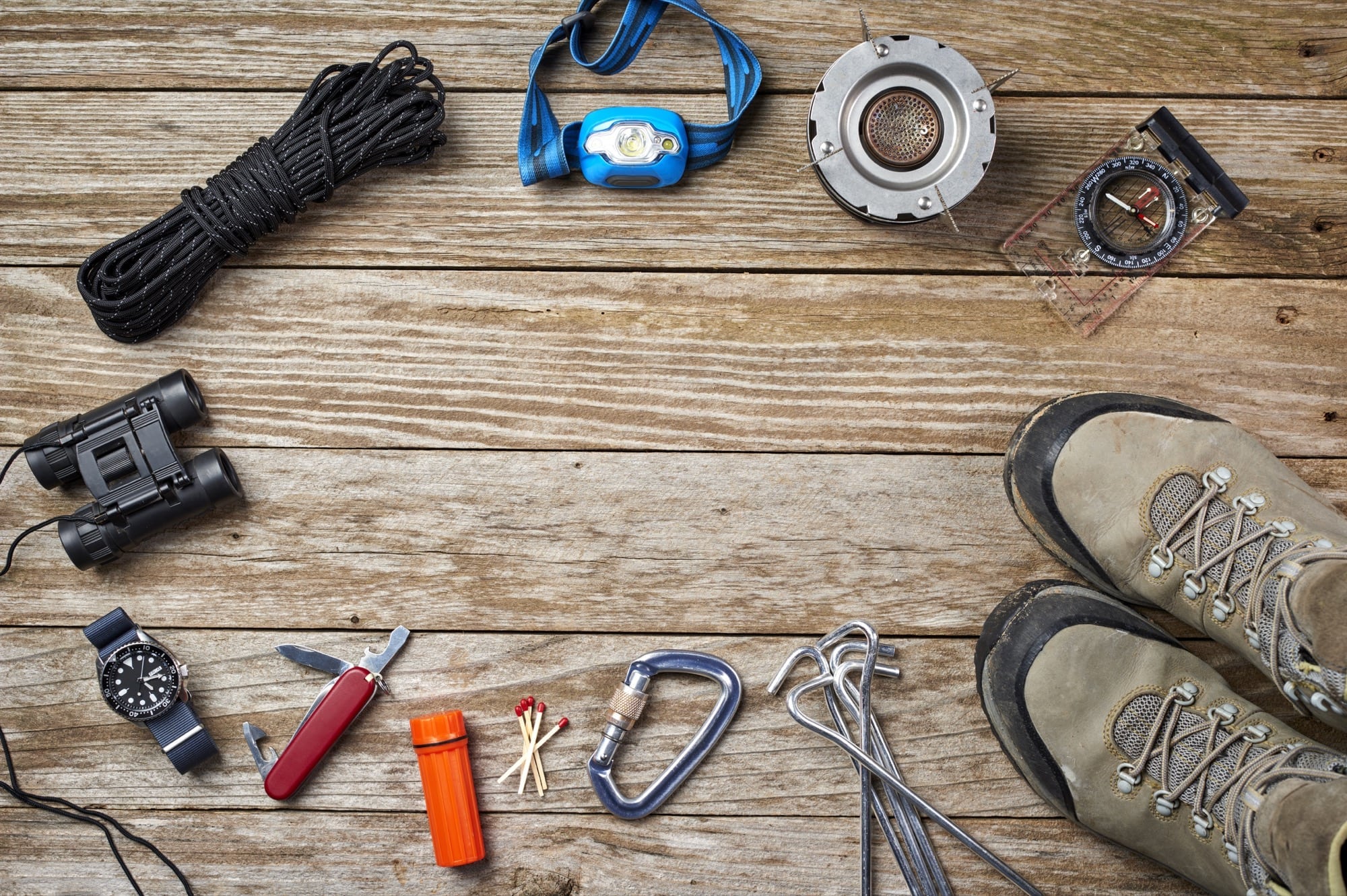
A compass, map, or GPS device are all great tools to plan the route to and from your destination if the trail is not well-established. Even if you’re only headed on a short day hike, carry tools that could come in handy in a survival situation, like a sturdy knife, paracord, emergency blanket, signal mirror or whistle, and more than one kind of fire starter. All of these items are compact and will take up hardly any space in your pack.
Wear Appropriate Clothing
If you wear the same thing into the wilderness that you’d wear to a baseball game, chances are pretty good you’re going to walk out of the woods with some kind of injury or discomfort.  When you’re out in the wilderness, you’re exposed to all the natural world around you. Wear clothing that will protect you from insect bites and stings, sun exposure, moisture and rain, rough terrain, and temperature extremes.
Many outdoor apparel manufacturers have UV-protective lines designed specifically for outdoor wear. Choosing colors that match the natural environment may also allow you to get closer to wildlife than wearing loud colors and patterns. And isn’t that what being in nature is all about?
Images via Riez Rover, Mind on Fire Photography