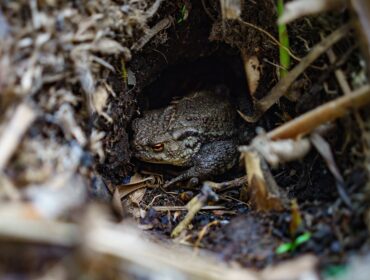
Wildlife photography is more than just snapping a quick picture of a bird or a deer. It’s about patience, timing, and having the right gear to capture the beauty of nature in its rawest form. Whether you’re a beginner hoping to get that perfect shot of a squirrel mid-jump or a professional waiting hours for a rare predator to appear, the right equipment and techniques can make all the difference.
A strong wildlife photo captures emotion and movement. Positioning is key, so always aim for eye contact, as it creates an instant connection between the subject and viewer. Understanding animal behavior helps predict moments worth capturing. If you know when a deer is likely to pause or when a bird is about to take off, you’re already ahead of the game. The question is, what do you really need to step up your wildlife photography game? Let’s dive into the must-have gear and essential techniques that will bring your shots to life.
The Must-Have Gear for Wildlife Photography
1. DSLR or Mirrorless Camera
A fast shutter speed is crucial for capturing sharp images of moving animals. Mirrorless cameras offer quieter operation, reducing the risk of startling wildlife. These cameras provide high-resolution sensors that allow for stunning detail and better post-processing flexibility. Autofocus capabilities help track subjects effectively, ensuring you never miss a moment.
Olympus OM-D E-M5 III Mirrorless Camera Body

This camera delivers high-quality images with its 20MP Live MOS sensor. It captures details with clarity, making photos look sharp and vibrant. With in-body 5-axis stabilization, shaky hands won’t ruin shots. Whether taking pictures indoors or outdoors, it ensures steady results. It also supports burst shooting at 10 frames per second. This makes it perfect for capturing fast-moving subjects without missing a moment.
For video lovers, this camera records in 4K Ultra HD resolution. The footage looks crisp, smooth, and professional. The lightweight build makes it easy to carry, great for travel and outdoor photography. Its design provides comfort, ensuring it feels natural in hand. Whether capturing everyday moments or shooting professional work, it performs reliably. It is built for those who need performance without complexity.
2. Telephoto Lens
Wildlife is often at a distance, and a telephoto lens allows you to get close without disturbing the subject. A lens with optical stabilization helps minimize blur from shaky hands. High-quality lenses offer better light-gathering ability, making low-light shots clearer. Zoom lenses provide versatility, allowing you to frame shots effectively without repositioning too much.
Olympus Teleconverter TCON-T01 Telephoto Tough Lens for TG Cameras

This telephoto lens extends the zoom capability of compatible cameras. It provides a 1.7x magnification, allowing close-ups of distant subjects. Whether capturing wildlife or scenic landscapes, it ensures clearer, sharper details. The optical zoom expands from 4x to nearly 7x for extra reach. This makes it easier to capture fine details without moving closer.
It is fully waterproof up to 50 feet, making it ideal for underwater photography. Users can confidently shoot marine life or underwater landscapes. Its tough build ensures durability in extreme conditions. Whether used in rain, snow, or beneath the sea, it remains reliable. Photographers seeking a compact but powerful zoom solution will find it highly effective.
3. Tripod or Monopod
Stability is key for sharp images, especially when using heavy telephoto lenses. A tripod helps reduce camera shake, which is vital for long exposure shots. Monopods are more portable and work well for fast-moving subjects where quick adjustments are needed. Carbon fiber tripods are lightweight yet sturdy, making them ideal for outdoor adventures.
4. Weatherproof Camera Bag
Wildlife photography often means dealing with unpredictable weather conditions. A weather-sealed camera bag protects your gear from rain, dust, and extreme temperatures. Padded compartments prevent accidental damage when moving through rough terrain. Some bags come with quick-access openings, making it easier to grab your camera in time for the perfect shot.
Witz Shutter Case

This case provides solid protection for valuable photography gear. Made of strong ABS resin, it withstands rough conditions without breaking. It is waterproof and dust-resistant, keeping gear safe from moisture and dirt. The secure latch closure ensures everything inside stays protected. Whether on land or in water, it prevents accidental exposure to damaging elements.
Designed for adventure seekers, it also floats on water. This makes it easy to retrieve if accidentally dropped. The O-ring seal enhances its waterproof feature, keeping contents dry. It is ideal for photographers traveling in harsh environments. Whether hiking, boating, or working in extreme weather, it provides peace of mind.
5. Memory Cards
Fast read and write speeds ensure your camera can capture multiple shots quickly without lag. Large storage capacity allows for extended shoots without needing to swap cards frequently. High-endurance memory cards are more reliable, reducing the risk of data corruption. Always carry backups to avoid losing valuable images.
Carry spare batteries to ensure uninterrupted shooting, especially in cold weather where battery life drains faster.
6. Lens Hood and Filters

A lens hood reduces glare and protects against lens flares, enhancing overall image quality. Filters play a crucial role in refining image quality, whether on land or underwater. The FLIP FILTERS 55mm Polarizer Filter enhances above-water video by reducing glare and improving color saturation, making scenes appear more vibrant even in bright sunlight. It blocks unwanted reflections and ensures sharper images, making it a valuable tool for outdoor filmmakers. Similarly, the FLIP FILTERS 55mm Graduated Neutral Density Filter helps balance exposure in challenging lighting conditions, preventing overexposed highlights while maintaining image clarity. Its easy-to-use flip mechanism allows for quick adjustments, ensuring seamless transitions between varying light conditions.
7. Binoculars
Spotting wildlife before shooting is essential, and binoculars help track movement from a distance. Lightweight and compact binoculars are easy to carry and improve your ability to locate animals in dense forests. Having a good pair allows you to plan your shots better before lifting the camera.
Celestron 8×42 TrailSeeker Roof Prism Binocular

These binoculars offer an 8x magnification, making distant subjects appear closer. They are ideal for birdwatching, hunting, and outdoor exploration. The phase and dielectric coated BaK-4 prisms ensure better light transmission. This results in sharper images with enhanced contrast and brightness.
A wide field of view allows users to track moving subjects easily. The magnesium alloy frame is lightweight yet durable for extended outdoor use. Fully waterproof, it performs well in all weather conditions. Whether used in rain or sunshine, it provides a clear and stable viewing experience. These binoculars are perfect for those who enjoy nature up close.
8. Camouflage Gear or Neutral Clothing
Wildlife is sensitive to human presence, and bright colors can scare animals away. Wearing earth-toned clothing helps blend into the surroundings and increases the chances of getting closer. Some photographers use camouflage blinds or hides for more immersive and less intrusive shooting experiences.
9. Remote Shutter Release
Reducing vibrations is essential for capturing sharp images, especially with long focal lengths. A remote shutter release allows hands-free operation, eliminating movement caused by pressing the shutter button. It is particularly useful for capturing wildlife at a distance without causing disturbances. Wireless options provide more flexibility in difficult shooting conditions.
Camera Settings and Techniques for Wildlife Photography
Knowing how to adjust your camera settings is just as important as having the right gear. Wildlife moves fast, and you won’t always get a second chance to capture the shot. Shooting in shutter priority mode (TV or S mode) allows you to control the shutter speed, ensuring crisp shots of moving subjects. A fast shutter speed, like 1/1000s or higher, freezes action, making it ideal for birds in flight or sprinting animals.
ISO settings should be adjusted based on lighting conditions. Low ISO (100-400) works well in bright daylight, but for early mornings or late evenings, you may need to increase ISO to 800 or higher. Just be mindful of noise in the image. Autofocus tracking is a lifesaver when dealing with unpredictable movements. Continuous autofocus (AI-Servo or AF-C mode) keeps the subject sharp even as it moves across the frame.
Editing Tips to Enhance Your Wildlife Shots
- Editing Software: Use Adobe Lightroom and Photoshop to fine-tune exposure, contrast, and sharpness for polished images. to fine-tune exposure, contrast, and sharpness for polished images.
- Highlight and Shadow Adjustments: Adjust highlights and shadows to reveal details in fur, feathers, and other natural textures. to reveal details in fur, feathers, and other natural textures.
- Cropping Techniques: Crop wisely to focus on the subject while eliminating distractions from the background. to focus on the subject while eliminating distractions from the background.
- Color Correction: Tweak white balance to correct color temperature and make the scene appear more natural. to correct color temperature and make the scene appear more natural.
- Sharpening Details: Apply subtle sharpening to enhance textures without making the image look artificial. to enhance textures without making the image look artificial.
- Preserve Natural Look: Keep edits minimal to preserve the integrity of the original shot, focusing on enhancement rather than manipulation. of the original shot, focusing on enhancement rather than manipulation.
Final Thoughts
Wildlife photography is as much about patience as it is about skill. The right gear, settings, and understanding of animal behavior all contribute to capturing unforgettable moments. Whether you’re aiming for funny animal pictures, breathtaking images of wildlife, or contest-worthy shots, practice and persistence make all the difference. So grab your camera, head outdoors, and start shooting—you never know what incredible moment you’ll capture next!
FAQs About Wildlife Photography
What is the best lens for wildlife photography?
A telephoto lens with a focal length of at least 300mm is ideal for capturing animals from a distance.
Do I need a tripod for wildlife photography?
Yes, especially for long exposure shots or when using heavy telephoto lenses. It helps stabilize the image.
What time of day is best for wildlife photography?
Early mornings and late afternoons provide the best lighting, as animals are more active, and the golden hour creates stunning effects.
How can I make my wildlife photos more engaging?
Focus on capturing emotion, movement, and eye contact. Unique angles and storytelling elements also make a difference.
Can I take great wildlife photos with a smartphone?
While possible, dedicated cameras with telephoto lenses produce sharper, high-quality images that capture fine details better.