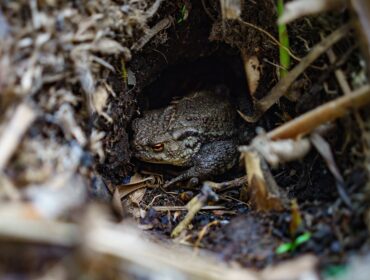
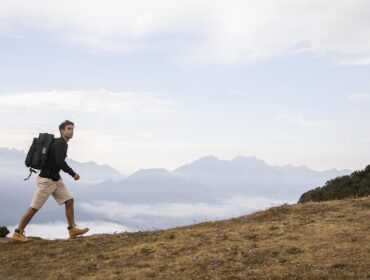
If you’re tired of watching nature documentaries from your couch and ready to see some wildlife up close – March is the month to move. Across the U.S., animals are waking up, migrating, and showing off before the busy season hits. From icy tundras to southern swamps, the country is bursting with wild action if you know where to look.
This isn’t just a rundown of parks. It’s your personal guide to the best wildlife watching destinations across the U.S. in March. Whether you’re chasing the perfect photo, craving the thrill of spotting a wolf in the wild, or just looking for an excuse to wear your new pair of binoculars, you’re in the right place. Grab your gear, charge your camera, and let’s head out.
1. Yellowstone National Park, Wyoming/Montana/Idaho: Winter’s Final Act

Yellowstone in March is a wildlife watcher’s dream. The snow still hugs the valleys, but the days are longer and the animals start moving again. Wolves, bison, and elk are easy to spot against the snow-covered backdrop. Lamar Valley is known as “America’s Serengeti” for a reason, especially this time of year when predator-prey dynamics are in full swing.
Winter wildlife tours operate all month, with guides who can find a gray wolf in a whiteout. Many tours start from Gardiner or West Yellowstone, taking you by snow coach or specialized vans deep into the park. Bison march right down the roads, steam rises from geysers, and you get that wild, raw Yellowstone feeling without the summer crowds. Add in a good spotting scope and you’re golden.
2. Everglades National Park, Florida: Reptiles, Birds, and Alligators Galore

If winter coats and snow boots aren’t your thing, head to Florida. In March, the Everglades hit their wildlife-watching peak. Water levels are lower, which means birds, reptiles, and mammals all gather around the remaining wet areas, thus, making them easier to see. Roseate spoonbills, herons, egrets, and even the elusive snail kite are all active right now.
And then, of course, there are the gators. Lots of them. They sun themselves on muddy banks, float like logs in the water, and sometimes wander across trails. Guided boat tours and wildlife safaris out of Homestead or Shark Valley offer an intimate look at the ecosystem. It’s quiet, wild, and unlike anywhere else in the U.S., just don’t dangle your feet off the side.
3. Denali National Park, Alaska: Arctic Wildlife at Its Finest

Alaska in March? Brutal temps, yes, but also unforgettable wildlife. Denali National Park is still locked in snow, but that’s what makes it so special. You can spot moose, caribou, foxes, and possibly wolves trekking through open valleys. Bear sightings won’t happen just yet (they’re still snoozing), but the rest of the cast is more than worth the trip.
Tour companies in Healy and Fairbanks offer winter wildlife trips with snow coaches or snowshoes. If you’re game, there are also overnight cabins you can rent in the park, giving you a shot at hearing wolves howl under the northern lights. Bring layers. Then bring more layers. And if you’re into photography, this is prime time for low-angle golden light on snow-dusted antlers.
4. Point Reyes National Seashore, California: Elephant Seals and Raptors

Just north of San Francisco, Point Reyes feels like a secret – one that’s filled with wildlife. March is peak season for watching elephant seals at the Chimney Rock overlook. Bulls are still hanging around the beach after mating season, and pups are growing fast. It’s a full-on National Geographic experience.
Birders, you’re in for a treat too. Raptors like hawks and owls are active across the coastal grasslands. You might even spot bobcats hunting early in the morning. Rangers and local guides offer wildlife walks on weekends, but this is also a solid DIY destination if you prefer solo exploration. Just show up early, pack some snacks, and walk slow. Real slow.
5. Bosque del Apache, New Mexico: Where the Birds Are

March at Bosque del Apache is a shoulder season, but don’t sleep on it. Snow geese and sandhill cranes are wrapping up their migration, and the wetlands are still buzzing with bird life. If you’ve never watched tens of thousands of birds lift off at sunrise, prepare to have your jaw hit the ground.
The refuge offers viewing decks and trails that make wildlife observation easy without disturbing the birds. Bring a solid pair of binoculars, a tripod if you’ve got it, and get there early. Most of the magic happens just after dawn. Later in the day, you might also catch deer or javelina wandering through the brush.
6. Great Smoky Mountains National Park, Tennessee/North Carolina: Bear Watch Begins

The Smokies start to stir in March. Black bears begin emerging from their dens, especially in lower elevations like Cades Cove. White-tailed deer, wild turkeys, and coyotes are all active this time of year. If you want to catch the drama of animals reappearing after winter, this is your moment.
Cades Cove Loop Road is a must. Drive it early, park often, and stay quiet. Even better, book a guided wildlife walk with a local naturalist. They’ll take you off the main roads and into lesser-known trails where sightings are more likely. Keep your camera ready, but also just soak it all in, this is spring waking up in one of the most biodiverse parks in the country.
Must-Have Gear for Wildlife Watching in March

Wildlife doesn’t wait, and you don’t want to be fumbling with your lens cap when the action happens. First off: binoculars. Invest in a pair with at least 8×42 magnification. Check out the Celestron 8×42 TrailSeeker Roof Prism Binocular with 8x magnification, 42mm objective lenses, and an 8.1° angle of view It delivers bright, wide-field images for birding and wildlife watching. Built with BaK-4 phase- and dielectric-coated prisms, a durable magnesium alloy frame, and a fully waterproof design, it’s ready for any outdoor adventure.

Photographers, pack your zoom lens (200mm minimum), and if you’re heading anywhere wet, like Florida or coastal Alaska, make sure you get yourself a waterproof camera bag like the Witz Shutter Case. Throw in some lens wipes too. You’ll thank yourself. A lightweight tripod can make or break long waits, especially in the early morning light.

Don’t skip the basics either: fingerless gloves so you can still use your gear, warm layers, waterproof boots, and high-protein snacks. If you’re hiking solo, a GPS like the Garmin Overlander with a 64GB memory and a 7″ color touchscreen or AllTrails app is a smart call. And for Alaska or the Smokies, a bear spray canister isn’t overkill – it’s just good sense.
Final Thoughts
March is one of the most rewarding times to explore wildlife across the U.S. With animals on the move and fewer crowds, it’s the perfect moment to experience nature without distractions. Whether you’re tracking wolves in the snow or watching birds take flight in wetlands, every region offers something unique. Just pick your destination, pack the right gear, and let the wild take it from there.
FAQs: Everything You Were About to Google
What’s the best time of day for wildlife watching in March?
Early morning or late afternoon. That’s when animals are most active and the light’s better for photos anyway.
Do I need a permit for wildlife viewing in national parks?
Most parks don’t require a permit just to watch wildlife, but some guided tours or backcountry areas do. Always check the park’s website before you go.
Is March too cold for wildlife watching in Alaska or Yellowstone?
It’s cold, yes, but also the best time to spot animals against snowy backdrops. Just dress smart and layer up.
What’s the best place in the U.S. for birdwatching in March?
Bosque del Apache in New Mexico is unbeatable. But Everglades and Point Reyes also hit hard for spring migration.
Can I bring my dog?
Not usually. Most wildlife areas and national parks restrict dogs to protect both pets and animals. Better to leave the pup at home for this one.