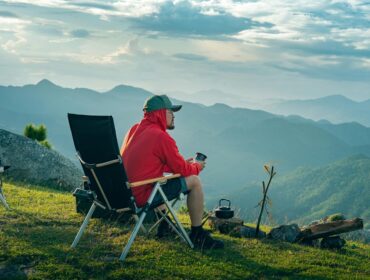
Most Florida state parks are open 8AM to sunset every day of the year, offering a lengthy amount of time to explore the Sunshine State’s incredible diversity. Torreya State Park is just one of these diverse natural areas, located about 50 miles northwest of Tallahassee in Florida’s pandhandle. It is named for a rare tree that is only found on the scenic bluffs that line the adjacent Apalachicola River. Its conservation is a key component of water quality in the watershed.
A Brief History
Torreya was chosen as a state park due to several historical resources. The Jason Gregory House, is one of these resources, a historic plantation residence that was moved from the original site to its current location. It can be toured with a guide at specific times when the park is open.
The torreya tree is easy to recognize due to its spiral branch structure and is just part of the wonderful endemic plant life to see. This cedar tree gives off a pungent odor when cut, giving it the monikers of “stinking cedar” or “Florida nutmeg.”
Main Attraction

Hiking is the main draw of this remote park. There are 16 miles of some of the toughest trails in Florida across bluffs, plateaus, and steep ravines. Featuring a diverse array of wildlife, Torreya is perfect for birdwatching, fishing, picnicking, and camping. Overnight options include primitive sites for backpackers, yurts, RV camping, and a cabin.
Related article: Spend an Incredible Day in the Outdoors at Ginnie Springs, Florida.
When to Go
Torreya State Park is on the smaller side so you may want to look into reservations if you have specific dates in mind. There are fees associated with day or overnight visits, so consult the Torreya State Park website before your trip.
Spring is a great season to visit the area, as most of the northern states are socked in with snow. This little gem has something for everyone. We’d be surprised if it didn’t provide a satisfying experience anytime you visit.
Related articles: Camper’s Guide: Bandelier National Monument, New Mexico also Camper’s Guide: Agate Fossil Beds National Monument, New Mexico
Featured Image from Alex Irimia/Unsplash