Weather is strange, mesmerizing, and sometimes shocking phenomenon. It can include drastic changes in temperature within short periods of time, and can bring heavy moisture, particulates, or fierce wind. There are many different weather patterns found all over the world, with some of the most interesting weather occurrences culminating in storms. Each type of storm acts differently and has different effects on the landscape around it. Let’s take a look at 3 of the most common storms in North America.
1. Blizzard

Blizzards are one of the most well-known weather types. These belong to a class of storms that carry a substance through the air. While some storms carry dust, blizzards carry snow. Blizzards are classified by a deposit of two or more inches of snow per hour, have winds between 39 and 55 miles per hour and are marked be a temperature below fourteen degrees Fahrenheit. They differ from snowstorms in that snowstorms do not have such low temperatures or fierce winds.
With their combination of freezing temperatures, strong winds and large deposits of snow, blizzards can be quite dangerous. The conditions can make it difficult to see while outside. In addition, the winds and heavy snow can break tree branches. Loss of electricity and the inability to travel even a few miles are common occurrences during a blizzard.
2. Tornado

Tornadoes are large, terrestrial wind storms, which are large columns of quickly rotating wind, usually form during special thunderstorms called supercells. Supercell thunderstorms have a spinning updraft. As this spinning updraft is dragged down by rain and a downdraft, cool air and warm air meet, causing the air to rotate even faster.
Tornadoes can be as large as two miles wide and the rotating wind may reach speeds of 300 miles per hour. Most of them, however, are much smaller and slower than this. They may briefly touch down on the ground before dissipating, or may travel along the ground for several miles. Tornadoes that do touch down can be extremely devastating, decimating homes and other structures.
3. Hurricane
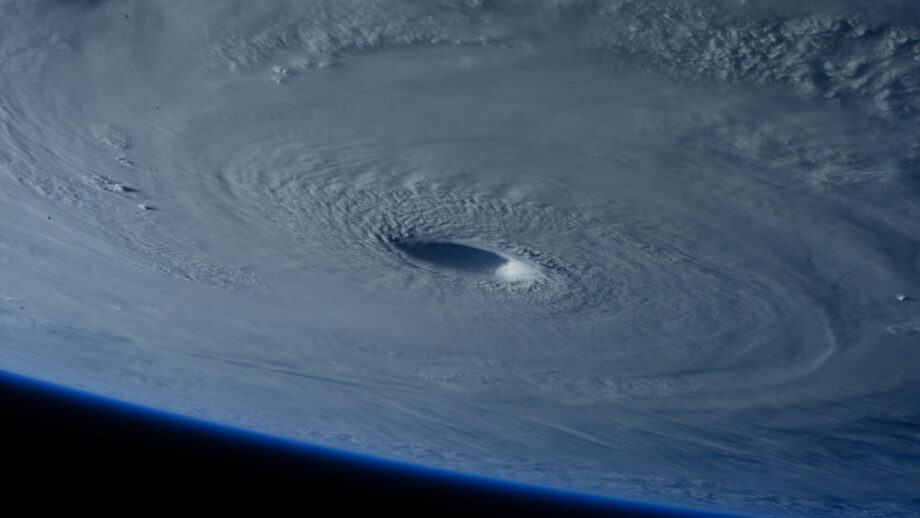
Hurricanes, also called tropical cyclones or typhoons, are another fascinating weather occurrence. Hurricanes begin to form around a low pressure system over warm tropical waters with heavy moisture. When ocean water evaporates and condenses, the warm air begins to twist and rise up into the atmosphere. Winds begin circling at high speeds in a clockwise or counter-clockwise direction, depending on the hemisphere the storm originates in. The storm continues to pull in moisture as it remains over warm waters, increasing in size and strength. The only forces that can quell a hurricane are colder waters or landmass, over which the storm will gradually lose strength and dissipate.
Wrapping up our post on 3 common storms of North America, we thought you might also like: Weird Weather: Giant Snowballs in Siberia or The Turbulent Beauty of Severe Weather!
Featured Image from Anandu Vinod/Unsplash