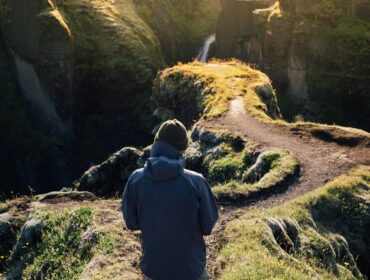
Not everyone finds motivation in group workouts or team based activities. For many people, fitness feels more natural when it happens alone. Solo sports allow individuals to train at their own pace, follow personal routines, and focus fully on their own progress without external distractions. This independent approach to fitness can feel calming, empowering, and deeply rewarding.
Training alone does not mean training without purpose. Solo sports support physical health, mental clarity, and long term consistency by putting full control in your hands. Whether you enjoy quiet outdoor movement or structured individual practice, solo sports offer flexibility that adapts to your lifestyle rather than demanding constant coordination with others.
Why Solo Training Appeals to Many People
Solo sports attract people who value autonomy and personal space. Without group schedules or shared expectations, you can train when it suits you best. Early mornings, late evenings, or short focused sessions all become possible.
Training alone also reduces pressure. There is no comparison, competition, or need to match someone else’s pace. This environment helps many people stay relaxed and focused, especially those who feel distracted or self conscious in group settings. Over time, this sense of control builds confidence and self trust.
Running as a Solo Fitness Staple
Running remains one of the most popular solo sports worldwide. It requires minimal equipment and adapts easily to different fitness levels. Some people enjoy steady road runs, while others prefer trails that offer quiet surroundings and changing terrain.
Running alone allows full control over speed, distance, and intensity. You can push harder on energetic days or keep things light when recovery matters. Many runners also value the mental space running provides, using it as time to reflect, unwind, or reset.
Cycling for Independent Endurance Training
Cycling is another ideal solo sport for people who prefer independent movement. Road cycling, mountain biking, and indoor cycling all support endurance, leg strength, and cardiovascular fitness.
Solo cycling offers flexibility in route choice and duration. Riders can explore new areas, repeat favorite loops, or focus on structured training sessions. The rhythmic nature of cycling often helps people find a steady mental flow, making long rides feel meditative rather than demanding.
Swimming for Focused Full Body Fitness
Swimming suits individuals who enjoy structured, distraction free workouts. The water naturally limits outside noise, helping swimmers focus on breathing, form, and rhythm. This makes swimming both physically demanding and mentally calming.
As a solo sport, swimming builds strength, endurance, and coordination without joint strain. Swimmers can tailor sessions to technique, distance, or speed work, adjusting effort based on daily energy levels. Many people find swimming alone especially effective for stress relief.
Strength Training With Individual Control
Strength training does not require group classes to be effective. Solo strength workouts allow complete control over exercises, rest periods, and progression. Whether training at home or in a gym, individuals can follow programs designed around personal goals.
Training alone supports better focus on form and technique. Without distractions, it becomes easier to track progress and adjust loads safely. For people who enjoy structured planning, solo strength training offers clear, measurable improvement over time.
Martial Arts and Skill Based Solo Practice
Some sports blend individual focus with technical development. Martial arts, boxing drills, and solo shadow training build coordination, strength, and discipline. While these sports may include group sessions, solo practice plays a major role in skill improvement.
Training alone allows repetition without interruption. Practicing techniques, footwork, or conditioning independently helps refine movement quality. This focused environment suits people who enjoy mastery and steady progress.
Hiking and Walking for Low Pressure Fitness
Hiking and walking are ideal solo sports for people who want gentle, consistent movement. These activities support cardiovascular health while allowing flexible intensity. Walking routes, nature trails, and hills can all adjust challenge levels naturally.
Solo hikes provide quiet time away from screens and noise. Many people use these sessions to clear their minds, enjoy scenery, or simply move without performance pressure. Over time, regular walking or hiking builds endurance and supports overall well being.
Mental Benefits of Training Alone
Solo sports offer strong mental health benefits. Independent training reduces social stress and allows full attention on internal cues. This helps people better understand their bodies and limits.
Many solo athletes describe training as a form of mindfulness. Repetitive movement, controlled breathing, and quiet surroundings support emotional balance. Over time, this consistent mental reset can reduce anxiety and improve focus in daily life.
Building Consistency Without External Pressure
Consistency looks different for solo athletes. Instead of relying on external accountability, motivation comes from routine and personal satisfaction. Many people find this internal drive more sustainable long term.
Solo sports allow flexible scheduling, which reduces missed sessions. Even short workouts remain valuable. This adaptability helps people maintain fitness during busy or unpredictable periods.
Choosing the Right Solo Sport
The best solo sport matches your preferences and lifestyle. Consider whether you enjoy outdoor environments or indoor structure. Think about time availability, physical goals, and recovery needs.
Trying different activities helps identify what feels natural. Some people enjoy mixing solo sports to avoid monotony. The key is choosing activities that feel rewarding rather than forced.
Staying Motivated When Training Alone
Solo motivation grows through goal setting and routine. Tracking progress, setting personal challenges, or following training plans helps maintain focus. Simple milestones such as distance improvements or strength gains provide clear direction.
Creating a regular schedule also supports habit building. When training becomes part of your daily rhythm, motivation feels less effort based and more automatic.
Long Term Benefits of Solo Sports
Solo sports support independence, resilience, and self awareness. Over time, athletes develop confidence in their ability to manage fitness without external input. This self reliance often carries into other areas of life.
By training alone, fitness becomes a personal practice rather than a social obligation. This makes it easier to maintain active habits through different life stages and changing schedules.
FAQs
Are solo sports effective for long term fitness?
Yes. Solo sports support consistency, flexibility, and personal goal setting, which are key to long term fitness.
Which solo sports are best for beginners?
Walking, running, swimming, and basic strength training are beginner friendly and easy to adapt.
How do I stay motivated when training alone?
Setting clear goals, following routines, and tracking progress help maintain motivation.
Can solo sports support mental health?
Yes. Independent training often supports stress reduction, focus, and emotional balance.
Is it better to train alone or in a group?
It depends on personal preference. Solo sports suit people who value independence and flexible routines.