You finally reach camp after a long hike. Your legs are tired, your pack feels heavier than ever, and all you want is a hot meal. You twist on your stove, spark it… and the flame struggles. Sound familiar? Choosing the right camp stove fuel can make or break moments like this.
Most campers focus on the stove, but fuel matters just as much. The right fuel burns cleaner, performs better in cold weather, and lasts longer. Whether you’re heading into the mountains or planning a weekend getaway, understanding your fuel options helps you cook faster and stress less.

What Makes Camp Stove Fuel So Important
Not every fuel performs the same way. The type of camp stove fuel you use affects how your stove performs in real conditions.
Think about this. You are camping in cold weather. Regular fuel can struggle to vaporize. That means weak flames and longer cook times. A good fuel blend solves that instantly.
Here is what really matters when choosing fuel:
- Fuel Blend Matters: Isobutane and propane mixes perform better in varied temperatures
- Cold Weather Performance: Higher propane content helps in freezing conditions
- Efficiency: Better fuel burns longer and wastes less energy
- Packability: Smaller canisters save space but may not last long trips
- Consistency: Stable flame means easier cooking and better results
A steady flame is not just about cooking. It is about confidence. When your gear works, your trip feels smoother.
Understanding the 3 Common Fuels for Canister Stoves
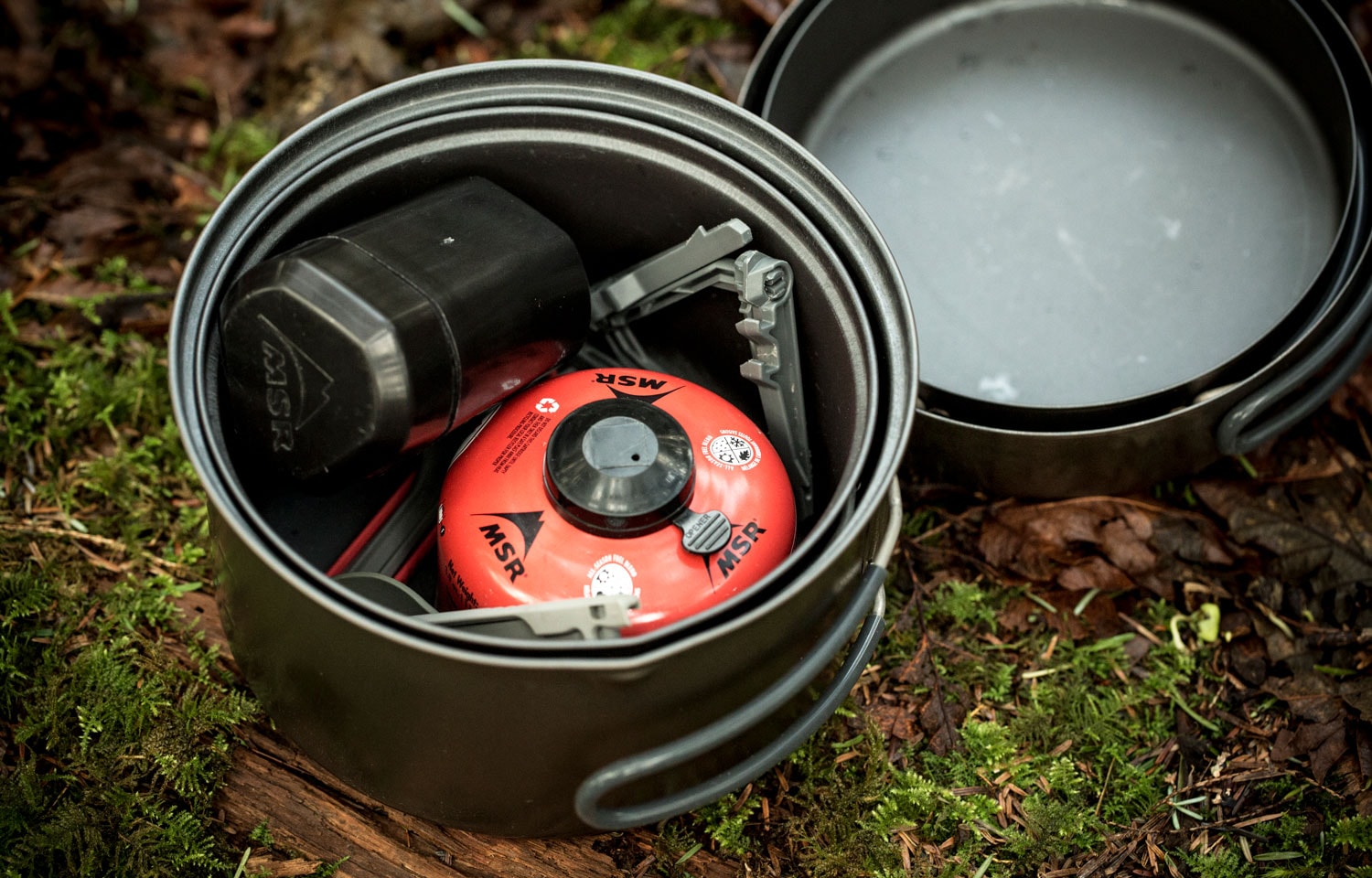
How Fuel Type Impacts Performance
Fuel canisters may look similar on the shelf, but the gas inside makes a big difference in how your stove performs in real conditions. Most canister stoves run on one of three common fuels: propane, butane, or isobutane. Knowing their strengths and weaknesses helps you pick the right fuel for your trip.
Propane
Propane burns the hottest and performs reliably even in freezing temperatures and at high altitudes. It has very high vapor pressure, so it vaporizes easily in the cold. The downside is that pure propane is highly pressurized (up to five times more than butane), which usually requires heavier steel canisters and a pressure regulator. It should not be used in standard backpacking stoves without proper regulation.
Butane
Butane is a very common fuel for many canister stoves and works well at high altitudes. However, it has poor cold-weather performance. Below about 40°F (4°C), butane struggles to vaporize, leading to weak flames and longer cook times. It’s best suited for mild, three-season camping.
Isobutane
Isobutane has a lower boiling point than regular butane, giving it better cold-weather performance and a steadier gas flow until the canister is nearly empty. Because of these advantages, isobutane is the most popular base fuel in modern backpacking canisters.
Why Fuel Blends Are More Effective
In practice, almost every fuel canister sold today is a blend — typically a mix of isobutane and propane. This combination gives you the best of both worlds: good cold-weather reliability, strong heat output, and lightweight canisters.
Here’s how the three fuels compare in real camping conditions:
- Cold Weather Performance: Propane and isobutane-propane blends perform best. Butane drops off quickly below 40°F.
- Heat Output & Efficiency: Propane burns hottest, followed closely by isobutane blends.
- Pack Weight: Isobutane blends allow for lighter, thinner-walled canisters.
- Altitude: All three work reasonably well, but propane and isobutane blends handle low temperatures better.
Most backpackers use convenient isobutane-propane blends that combine the advantages of both gases.
Popular Fuel Canister Options
Popular isobutane-propane blends include:
The MSR IsoPro Fuel Canister uses an efficient 80% isobutane / 20% propane mix with a built-in fuel gauge — excellent for balanced performance in varied conditions.
The Jetboil JetPower Fuel is formulated for high vapor pressure and four-season reliability, making it a favorite when you need consistent heat in colder environments.
The Optimus Fuel Canister offers a reliable isobutane/propane blend in a compact, budget-friendly size.
Matching Your Stove With the Right Fuel
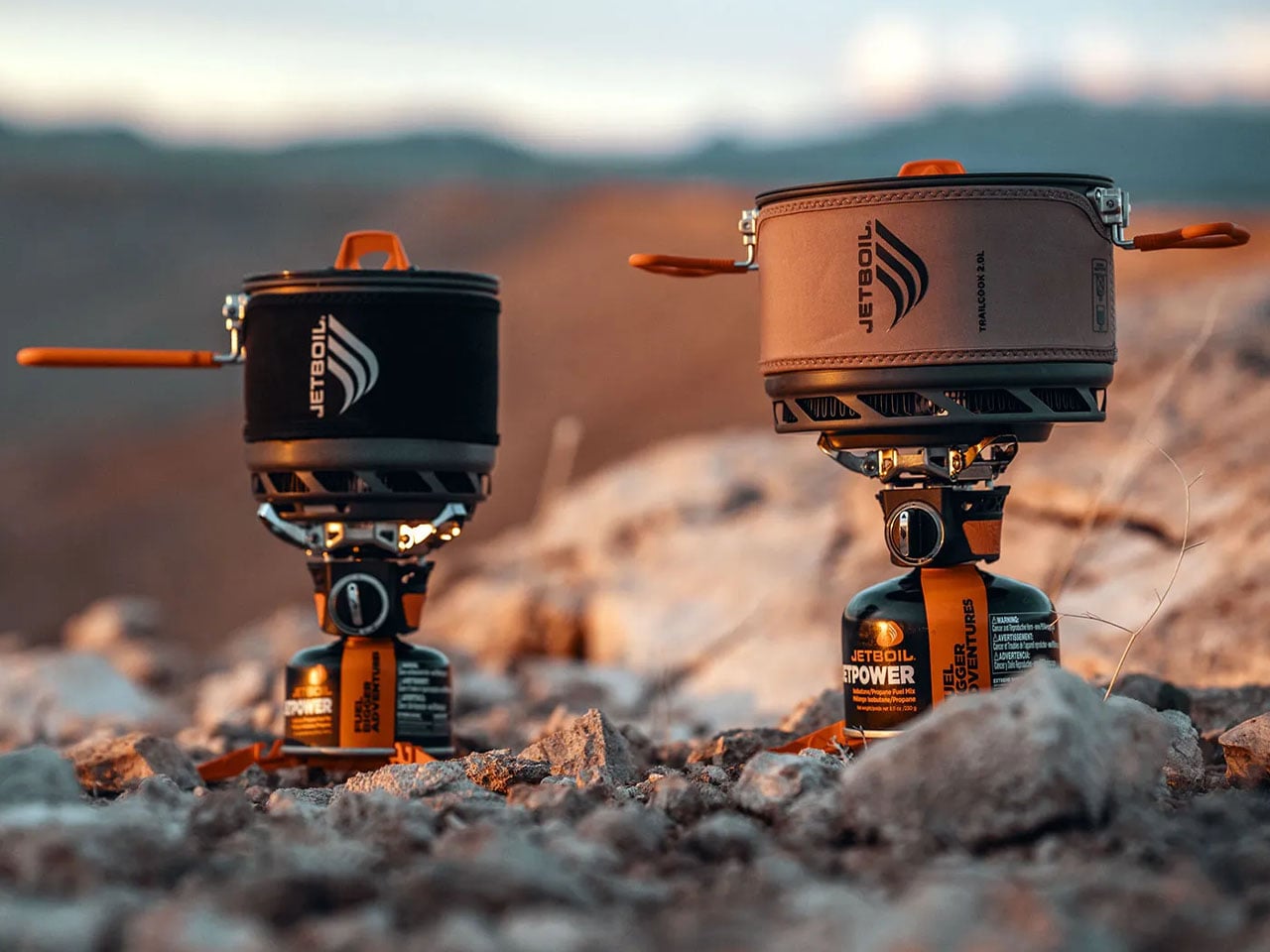

Fuel and stove work as a team. Even the best camp stove fuel will not perform well with the wrong setup.
Some stoves are designed for speed. Others give you better flame control. Matching them with the right fuel makes a big difference.
Take the MSR PocketRocket 2 Fast-Boiling Canister Stove. It is lightweight and efficient. Pair it with a balanced fuel blend and you get quick boiling without wasting fuel.
If you prefer more control, the MSR PocketRocket Deluxe gives precise flame adjustment. That works great when simmering meals instead of just boiling water.
For compact setups, the Optimus Crux Stove with Fuel Canister is a smart pick. It folds down easily and still delivers strong heat output.
If you are focused on ultralight travel, systems like the Jetboil Stash Cooking System make a noticeable difference.
It weighs just 7.1 ounces and boils water in about 2.5 minutes.
That kind of efficiency pairs perfectly with high performance camp stove fuel, helping you stretch every canister while keeping your pack light.
Here is how to match your setup:
- Fast Cooking Needs: Pair high output stoves with efficient fuel blends
- Long Trips: Choose fuel that maximizes burn time
- Cold Conditions: Use fuel with higher propane content
- Lightweight Goals: Combine compact stoves with smaller canisters
If you are unsure, start simple. Test your setup before your trip. A quick backyard trial can save you hours of frustration later.
Tips to Get the Most Out of Your Camp Stove Fuel

Even the best camp stove fuel can run out faster than expected if used poorly. A few small habits can stretch your fuel much further.
Here are simple ways to improve fuel efficiency:
- Use a Lid: Boil water faster and reduce heat loss
- Block Wind: Even a small barrier can improve flame performance
- Simmer Smartly: Avoid running full flame unless needed
- Measure Water: Heat only what you need
- Pre Plan Meals: Faster meals use less fuel
Cold weather? Keep your fuel canister warm before use. Even placing it in your jacket helps.
Also, do not forget safety. Always store fuel away from direct heat and check connections before lighting your stove.
Small details matter outdoors. They add up quickly.
Choosing Fuel Based on Your Adventure Style

Not every trip needs the same setup. Your fuel choice should match your adventure.
Going solo? Keep things light and compact. Short trips do not need large canisters.
Camping with friends or family? You will cook more. Larger canisters or efficient blends help reduce refills.
Heading into colder regions? Choose fuel designed for low temperatures. It will save you time and frustration.
Here is a simple way to think about it:
- Short trip equals smaller canister
- Long trip equals efficiency matters more
- Cold weather equals higher propane content
- Group camping equals more fuel capacity
The right camp stove fuel fits your plan, not the other way around.
And when everything clicks, cooking outdoors becomes something you look forward to, not worry about.

Frequently Asked Questions
What is the best camp stove fuel for beginners
A standard isobutane propane mix works best. It is easy to use and performs well in most conditions.
Does camp stove fuel expire
Fuel does not expire quickly, but canisters can lose pressure over time. Store them properly for best results.
How long does a fuel canister last
It depends on usage. A small canister can last a few meals, while larger ones support multi day trips.
Can I use any fuel with any stove
No. Always check compatibility. Most canister stoves require specific threaded fuel canisters.
What fuel works best in cold weather
Fuel with higher propane content performs better in low temperatures.
Is it safe to travel with camp stove fuel
It depends on regulations. Fuel canisters are not allowed on flights but are safe for road trips.