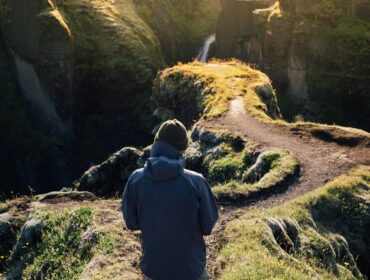
Steep trail climbs test more than your legs. They challenge your lungs, your rhythm, and sometimes your mindset. When your heart starts pounding and your breath turns shallow, it is easy to tense up and lose control of your pace. That is where mindful breathing exercises for tough trail climbs make a real difference.
Learning how to breathe with intention can steady your body, sharpen your focus, and help you move uphill with more control. Instead of fighting the climb, you begin to work with it.
Why Breathing Matters on Steep Ascents
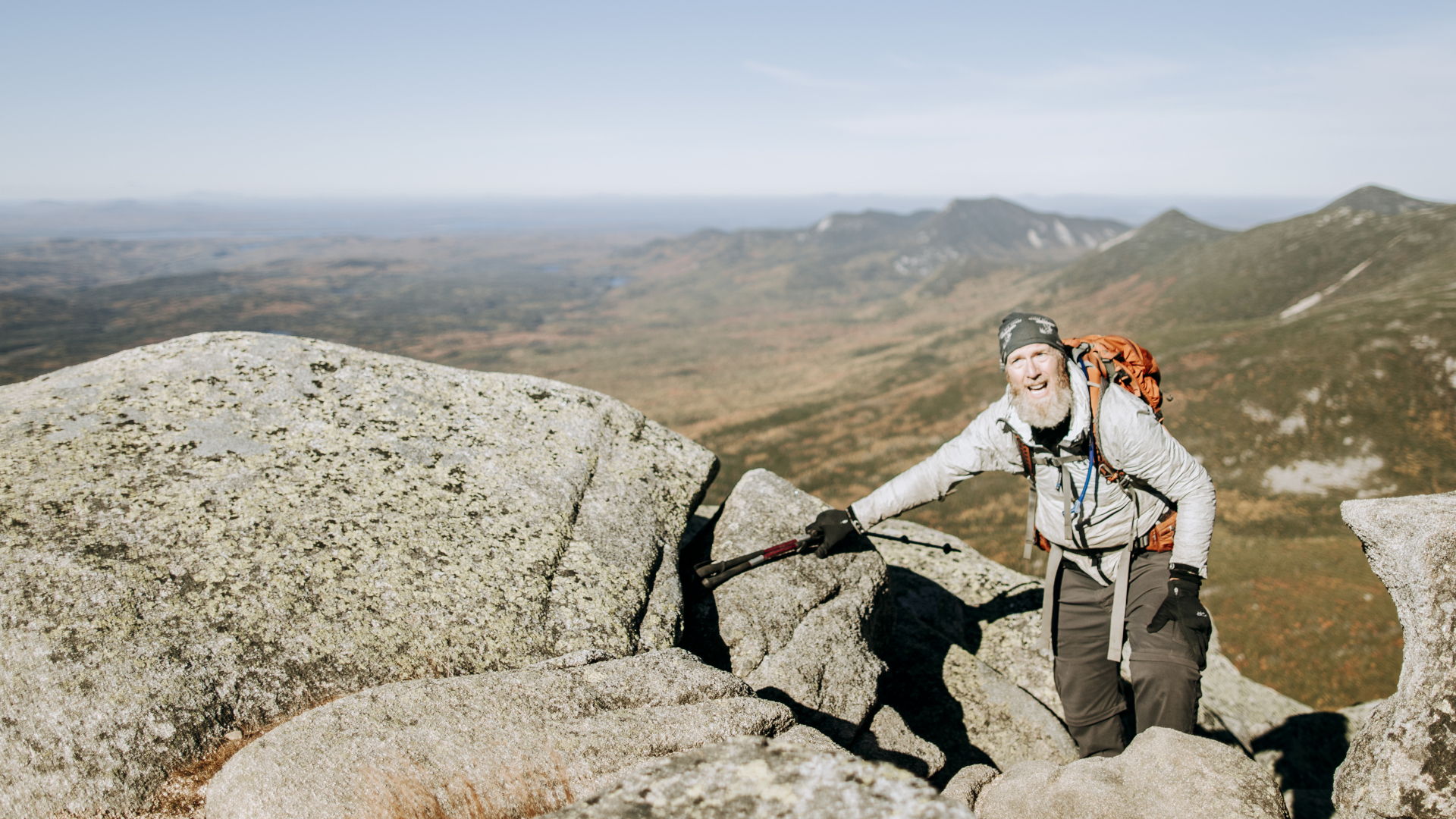
When you hike uphill, your muscles demand more oxygen. If your breathing becomes fast and shallow, your body works harder than necessary. Tension builds in your shoulders and chest. Fatigue arrives sooner.
Controlled breathing improves oxygen flow and helps regulate your heart rate. It also calms the mental chatter that often shows up on tough climbs. Instead of thinking about how far you still have to go, you focus on the next step and the next breath.
The Basic Trail Rhythm Technique
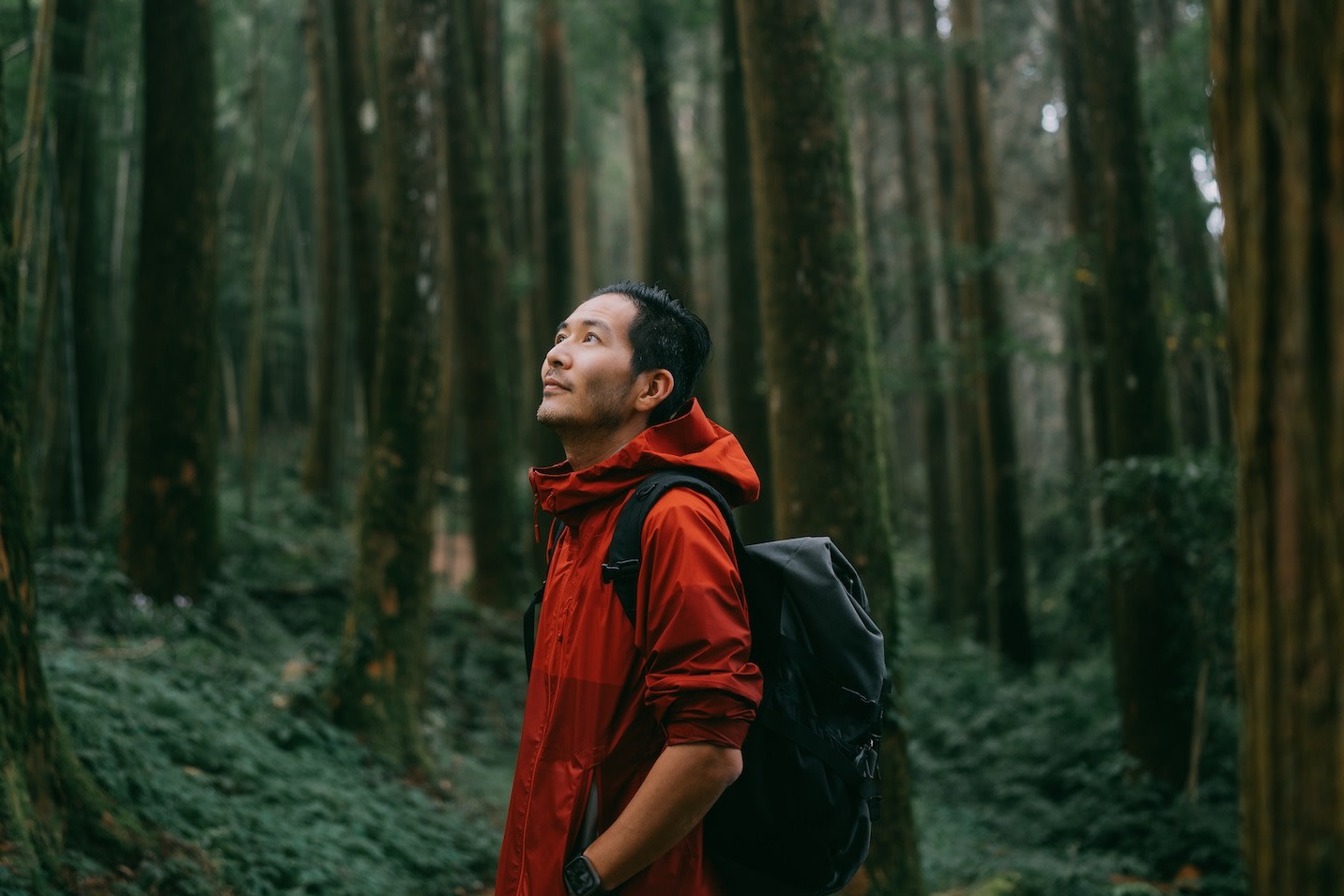
This is the simplest method and one of the most effective.
Match your breath to your steps.
Try inhaling for three steps and exhaling for three steps on moderate terrain. As the incline increases, shift to two steps in and two steps out. The goal is not perfection. The goal is rhythm.
A steady pattern prevents you from holding your breath during effort. It keeps your pace consistent and reduces sudden bursts of energy that lead to burnout.
Diaphragmatic Breathing on the Trail
Many hikers breathe high in the chest without realizing it. Diaphragmatic breathing draws air deeper into the lungs.
To practice:
-
Inhale through your nose and feel your abdomen expand.
-
Keep your shoulders relaxed.
-
Exhale slowly through your mouth or nose.
On a climb, this might look like a deeper inhale over two steps and a long, controlled exhale over three steps. It may feel slower at first, but it delivers more oxygen and reduces that tight, panicked feeling that sometimes hits mid ascent.
The Reset Breath for Steep Sections
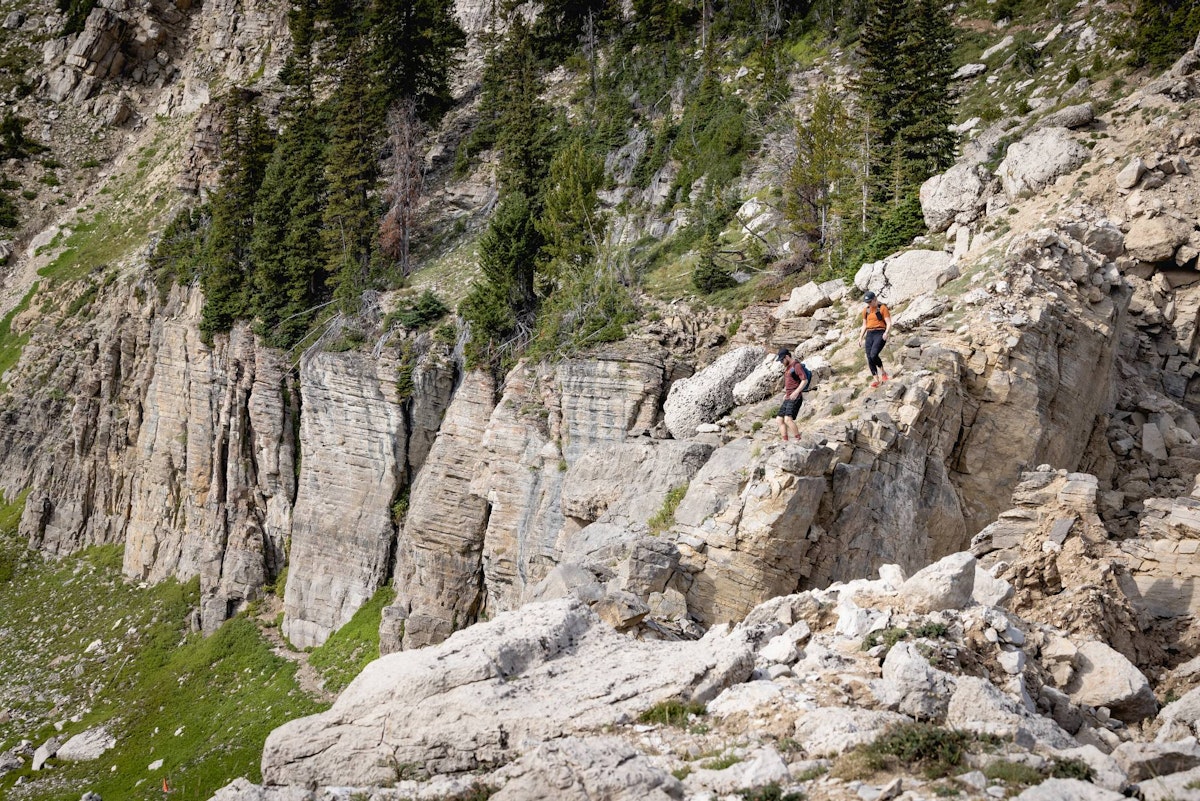
When the trail turns sharply upward, pause briefly instead of pushing through uncontrolled breathing.
Plant your feet firmly.
Inhale deeply through your nose for four counts.
Hold for two counts.
Exhale slowly for four counts.
Repeat this cycle three to five times.
This reset technique lowers heart rate and gives your body a chance to stabilize. It is especially helpful before tackling a long exposed stretch or rocky scramble.
Box Breathing for Mental Focus
Box breathing is often used by athletes and first responders to regain composure under stress. It works surprisingly well on tough trail climbs.
Inhale for four counts.
Hold for four counts.
Exhale for four counts.
Hold for four counts.
Visualize a square as you move through each phase. Even one minute of this controlled pattern can quiet anxious thoughts and restore concentration.
On a long climb, mental fatigue often arrives before physical exhaustion. Box breathing helps you stay steady and present.
Coordinating Breath With Poles
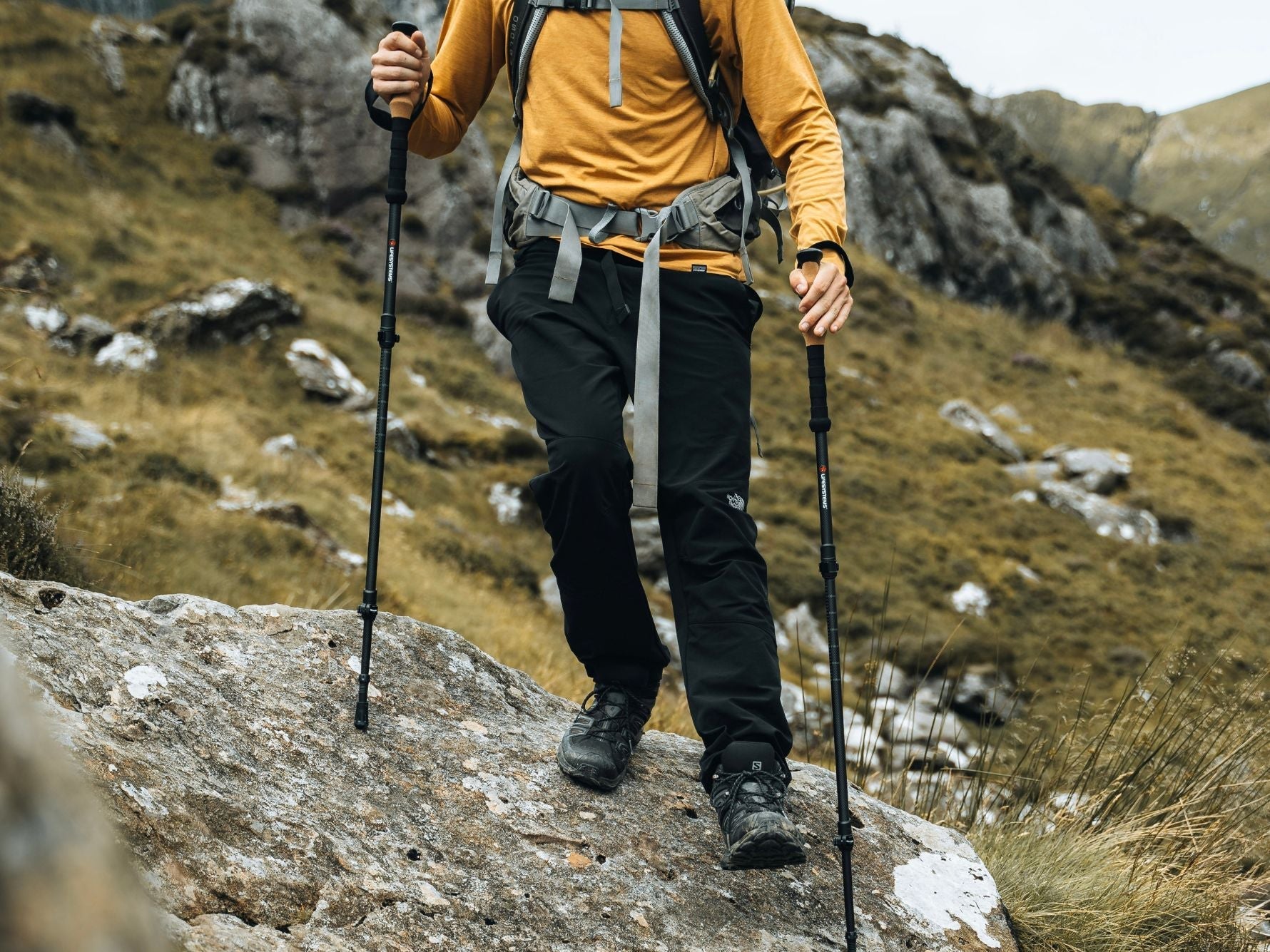
If you use trekking poles, integrate them into your breathing rhythm. For example, inhale as both poles plant over two steps. Exhale as you push and advance.
This creates a full body rhythm that links arms, legs, and lungs. The more coordinated your movement, the less energy you waste.
Nasal Breathing for Endurance
Whenever possible, breathe through your nose during moderate climbs. Nasal breathing naturally slows airflow, improves oxygen exchange, and filters incoming air.
It may not always be possible on very steep terrain, but practicing nasal breathing on rolling sections trains your body to use oxygen more efficiently. Over time, your endurance improves.
Practicing Before You Hit the Trail
Mindful breathing exercises for tough trail climbs are most effective when practiced regularly.
Try these drills at home or during local walks:
-
Walk uphill while maintaining a two step inhale and two step exhale pattern.
-
Practice diaphragmatic breathing while standing still.
-
Use box breathing during strength workouts.
The more familiar these techniques feel, the easier they will be to apply when the trail becomes demanding.
Listening to Your Body
Breathing patterns are guides, not rigid rules. Altitude, temperature, pack weight, and fitness level all influence how your body responds.
If you feel dizzy, lightheaded, or unusually short of breath, slow down immediately. Adjust your pace before adjusting your pride.
Strong hikers understand that pacing and breath control are signs of experience, not weakness.
Turning the Climb Into a Moving Meditation
Tough ascents often bring clarity. With steady breathing, each step becomes intentional. Each inhale draws in crisp air. Each exhale releases tension.
Instead of rushing toward the summit, you move through the climb with awareness. The sound of wind through trees, the crunch of gravel, and the rhythm of your breath blend into a steady flow.
When you reach the top, you do not just feel accomplished. You feel grounded.
Mindful breathing does not remove the challenge of a steep trail. It changes how you meet it.
FAQs
Why do I get out of breath quickly on steep trails?
Steep climbs increase oxygen demand. If breathing becomes shallow or irregular, fatigue sets in faster. Controlled breathing improves efficiency.
Is it better to breathe through my nose or mouth while hiking uphill?
Nasal breathing is ideal for moderate effort. On very steep climbs, combining nose and mouth breathing may be necessary.
Can breathing exercises improve hiking endurance?
Yes. Efficient breathing enhances oxygen delivery, regulates heart rate, and delays fatigue over long distances.
How often should I practice mindful breathing?
Practice several times a week during workouts or walks. Consistency helps the technique feel natural on challenging terrain.
Do breathing techniques help with altitude?
They can support oxygen efficiency, but altitude sickness requires proper acclimatization and pacing as well.