 The majority of modern life depends on a steady flow of electricity. Interruptions in this flow can last for any amount of time, from mere seconds to days. The likelihood of a power outage increases in the summer months, when hurricanes, tornadoes, and severe thunder storms rampage across the country. Creating and following a power outage emergency plan can keep your family safe and comfortable regardless of the cause or duration of the power outage. There is no need for the plan to be complicated. It only takes a few simple steps in advance to ensure you are prepared for the unexpected.
The easiest way to start an emergency plan is to gather some basic supplies. Alternative light sources such as candles or flashlights should be stored in an accessible and safe place. Matches, fire starters, and extra batteries should be kept close by. Canned and nonperishable foods should be on hand and resupplied occasionally to maintain freshness. In an extended loss of power, cell phones will become drained and cut you off from possibly vital communications. There are a number of battery or hand powered emergency radios that can be used to replace incoming information. Some models also include a socket that a cell phone charger can be plugged into.
Once the supplies are collected and stored, a few steps are all that are necessary when power is lost. Sensitive electronics, such as computers and home entertainment equipment, should have their surge protectors switched off or be unplugged. This will eliminate the chance of damage from fluctuations as power is restored. The range of the power loss should be determined next. If the loss is small, a neighborhood for example, you should call your power company and inform them of the outage. If a storm or other event causes a larger power outage, there is no need to call the utility company.
 Homeowners in areas prone to frequent power outages may find it convenient to purchase a generator. If you have one, it should be maintained regularly to prevent a mechanical failure at the wrong time. Before the generator is started, circuit breakers to noncritical parts of the house should be switched off. Relocation options should be considered if you expect the power to be lost for an extended period of time.
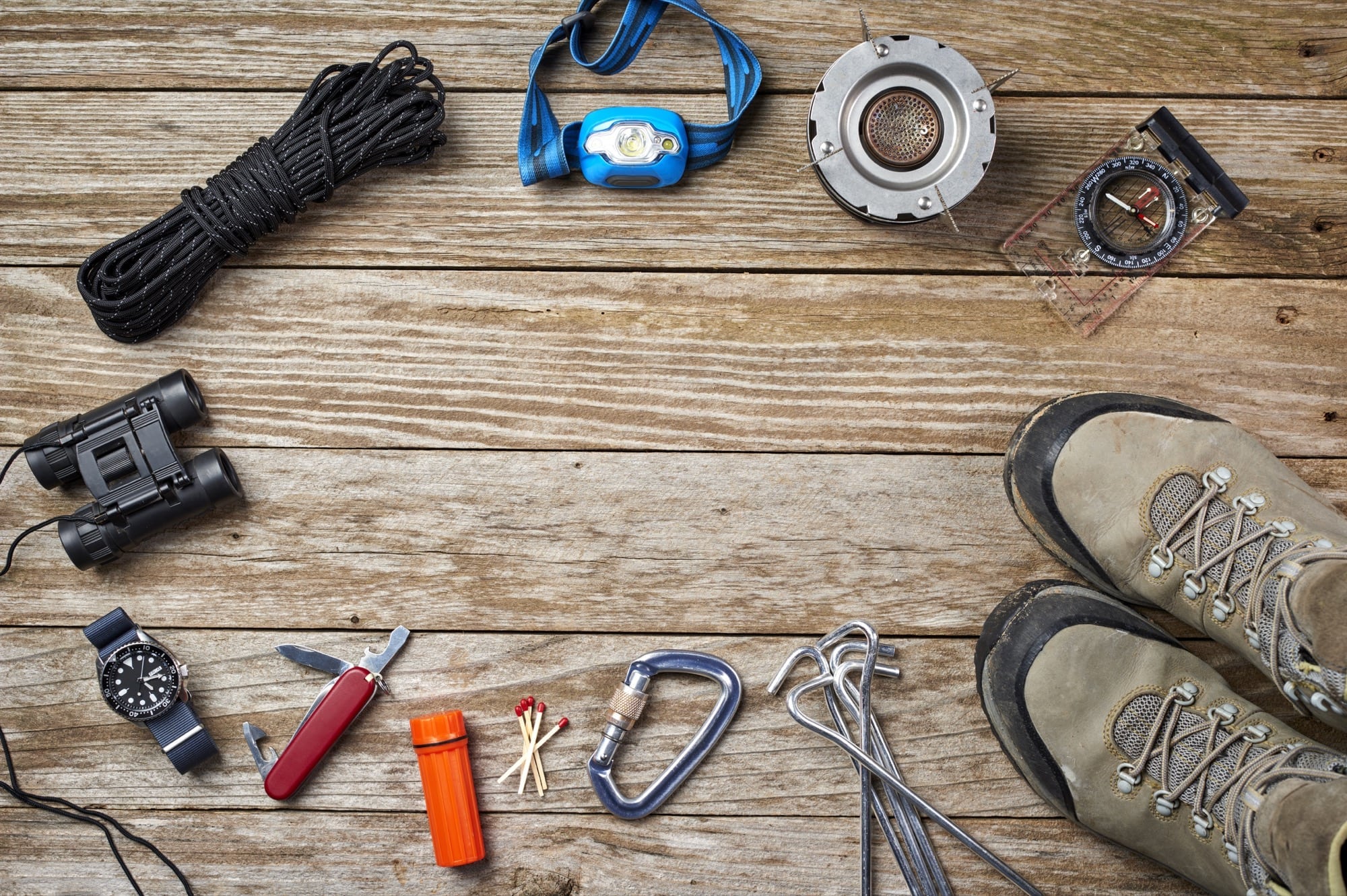
Power outages may bring about a situation where your camping gear will come in very handy. Gas stoves, battery- or solar-powered lighting, and camp shelters can help you make it through a power outage that extends for days at a time. Making sure that all your gear, including emergency and first aid kits, is readily accessible in the event of a natural disaster can mean the difference between being stranded and making the best of a lousy situation!


