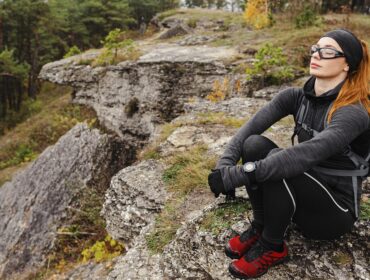
Winter hiking can be peaceful and rewarding, but cold weather brings real challenges. One of the most important clothing choices you will make is your hiking pants. The right winter hiking pants help you stay warm, dry, and comfortable while moving through snow, wind, and cold air. For beginners, choosing pants can feel confusing because there are many styles and materials available. This guide breaks everything down in simple terms so you can make the right choice for your winter hikes.
Why Winter Hiking Pants Matter
Regular pants like jeans or casual trousers are not made for winter hiking. They hold moisture, block movement, and can make you cold fast. Winter hiking pants are built to handle changing weather, sweat, and movement. Good pants help control body heat, block wind, shed snow, and allow you to walk freely. Choosing the right pair can make the difference between enjoying your hike and wanting to turn back early.
Understanding Winter Hiking Conditions
Before choosing pants, think about where and how you will hike. Winter conditions can vary a lot.
Some hikes are short walks on packed snow near town. Others involve deep snow, wind, or long hours outdoors. The colder, wetter, and longer your hike is, the more important your pants become. Always plan for weather changes, since winter weather can shift quickly.
Materials Used in Winter Hiking Pants
The fabric of your pants affects warmth, dryness, and comfort.
Synthetic Fabrics
Most winter hiking pants use synthetic materials like nylon or polyester. These fabrics are light, dry fast, and handle moisture well. They are a good choice for beginners because they are easy to care for and work in many conditions.
Softshell Fabric
Softshell pants are popular for winter hiking. They block wind, resist light snow, and stretch as you move. They are breathable and work well for active hikes where you generate body heat.
Fleece Lined Fabric
Some winter hiking pants include a fleece lining inside. This adds warmth and feels soft against the skin. These pants work well for colder days but may feel too warm during hard uphill hiking.
What to Avoid
Avoid cotton pants. Cotton absorbs sweat and stays wet, which can make you cold very fast. Denim jeans are especially unsafe for winter hiking.
Insulation and Warmth
Not all winter hiking pants are heavily insulated. Warmth depends on both the fabric and how you layer.
Light winter pants rely on movement and layering to keep you warm. Insulated pants have built in warmth and are better for very cold or low movement hikes.
If you tend to get cold easily, choose pants with light insulation or room to layer underneath. If you hike fast or climb hills, less insulation may be better to avoid sweating too much.
The Importance of Layering
Layering is one of the best ways to stay comfortable in winter.
Base Layer
A base layer is worn under your hiking pants. Thermal leggings or long underwear made from wool or synthetic fabric help trap warmth and move sweat away from your skin.
Outer Layer
Your hiking pants act as the outer layer. They block wind, snow, and light moisture while allowing sweat to escape.
Layering lets you adjust warmth easily. You can add or remove layers depending on temperature and effort.
Weather Resistance
Winter hiking pants should handle snow, wind, and light moisture.
Water Resistance
Many winter hiking pants are water resistant, not fully waterproof. This means they can shed snow and light rain but will not handle heavy rain or sitting in wet snow for long periods.
Water resistant pants are usually enough for winter hiking because snow brushes off easily. Fully waterproof pants can feel stiff and less breathable.
Wind Protection
Wind can make cold temperatures feel much worse. Pants that block wind help your legs stay warm and reduce heat loss. Softshell pants often offer good wind protection.
Breathability and Moisture Control
When hiking uphill or moving fast, your body produces heat and sweat even in cold weather. Pants that do not breathe well can trap moisture, which later makes you cold when you stop.
Look for pants that balance warmth and breathability. Some pants include ventilation zippers on the sides to release heat during hard effort. Breathable fabric helps keep your legs dry and comfortable.
Fit and Mobility
Good fit is essential for winter hiking pants.
Room to Move
Your pants should allow full movement when stepping over rocks or climbing hills. Stretch fabric helps with comfort and flexibility.
Layering Space
Make sure there is enough room to wear a base layer underneath without feeling tight. Pants that are too tight restrict movement and reduce warmth.
Waist and Length
A comfortable waistband helps on long hikes. Adjustable waist tabs or belt loops are useful. The length should cover your ankles and overlap slightly with your boots to keep snow out.
Reinforced Areas
Some winter hiking pants include reinforced fabric at the knees or seat. These areas wear out faster due to kneeling, sitting, or brushing against snow and rocks. Reinforcements add durability and help pants last longer.
Pockets and Practical Features
Pockets may seem small but they add convenience.
Zippered pockets keep items secure. Thigh pockets are easy to reach while wearing a backpack. Avoid too many bulky pockets, which can feel uncomfortable when walking.
Some pants also include ankle zippers. These make it easier to pull pants over boots and allow airflow when needed.
Compatibility With Winter Boots and Gaiters
Winter hiking pants should work well with your boots. Pants that are too narrow at the ankle may bunch up or ride high. Slightly wider cuffs fit better over winter boots.
If you use gaiters, make sure the pants fit comfortably underneath them. Gaiters help keep snow out and add warmth on deep snow hikes.
Choosing Pants for Different Winter Hikes
Mild Winter Conditions
For light snow and cool temperatures, softshell pants without heavy insulation are often enough. Pair them with a base layer if needed.
Cold and Windy Days
Choose pants with wind blocking fabric and light insulation. Add a thermal base layer for extra warmth.
Deep Snow or Long Hikes
Water resistant pants with good durability work best. Layering becomes more important on longer hikes where your energy level changes.
Common Beginner Mistakes
Many beginners dress too warm and end up sweating heavily. Sweat leads to cold later. Start slightly cool and warm up as you hike.
Another mistake is wearing casual pants that are not made for outdoor use. These pants limit movement and hold moisture.
Ignoring fit is also common. Pants that are too tight or too loose can cause discomfort and reduce warmth.
Care and Maintenance
Taking care of your winter hiking pants helps them perform better.
Wash them according to the label instructions. Avoid fabric softeners, which can damage water resistance. Air dry when possible. If the fabric loses water resistance over time, you can apply a treatment made for outdoor clothing.
Budget Tips for Beginners
You do not need the most expensive pants to start winter hiking. Focus on fabric, fit, and comfort rather than brand names. Many affordable options work well for beginners if they are made from the right materials.
Buying pants that work across seasons can also save money. Softshell pants can often be used in fall and spring with different layers.
When to Replace Winter Hiking Pants
Replace your pants when they no longer block wind, when fabric tears easily, or when they feel uncomfortable despite proper layering. Worn out pants can reduce warmth and safety.
Final Thoughts
Choosing the right winter hiking pants is about balance. You want warmth without overheating, protection without stiffness, and comfort without bulk. By focusing on fabric, layering, fit, and weather resistance, beginners can find pants that work well for many winter hikes.
Take time to think about where you hike and how cold it gets. Try your pants on with base layers and boots before heading out. With the right winter hiking pants, you can stay comfortable and enjoy the quiet beauty of winter trails with confidence.