As winter hibernation approaches, it’s tempting to toss your gear in a closet and forget about it until spring. But proper end-of-season care can make all the difference between equipment that’s ready for your next adventure and gear that’s brittle, moldy, or broken when you need it most. Whether you’re a backpacker, camper, or paddler, taking time to clean, dry, and store your gear properly before winter hibernation ensures it lasts for years.
Here’s your complete guide to storing outdoor gear before winter hibernation.
1. Clean Everything Before You Store It
The golden rule of storage: never pack away dirty gear. Dirt, salt, and oils can weaken fabrics and coatings over time, while leftover moisture leads to mildew and bad odors.
Sleeping Bags and Quilts
Shake out debris, then check the care tag. Most synthetic bags can go in a front-loading washing machine with a gentle detergent designed for outdoor gear. For down bags, use a down-safe cleaner and tumble dry on low with tennis balls to restore loft. Once dry, never compress them — store them loosely in a large cotton or mesh sack.
Tents
Pitch your tent one last time before storage. Wipe away dirt with a damp cloth and mild soap. Make sure it’s completely dry — even a hint of moisture can cause mold or delamination of the waterproof coating. Store it loosely in a breathable bag rather than its tight stuff sack.
Cooking Gear
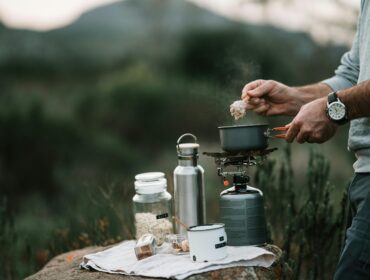
Clean stoves, pots, and utensils thoroughly. For gas stoves, disconnect fuel canisters and check for leaks or rust. Lightly oil metal parts to prevent corrosion. Organize smaller pieces like utensils or sporks in a labeled bin for quick spring packing.
Backpacks
Empty every pocket. Brush away dirt and wipe down the frame and straps with warm soapy water. Let it air dry out of direct sunlight. Store with zippers open so they don’t stick.
2. Check for Damage and Make Repairs
Before stashing your gear, give everything a close inspection. Small issues that seem minor now can become bigger over months of disuse.
-
Seam tears: Patch them with repair tape or fabric patches.
-
Tent poles: Check for bends or cracks; replace sections if needed.
-
Sleeping pads: Inflate and listen for leaks. Use a patch kit if necessary.
-
Zippers: Run a toothbrush along the teeth to remove grit, then lubricate with zipper wax.
Doing this now means no unpleasant surprises when spring rolls around.
3. Store in a Cool, Dry Place
Moisture is your biggest enemy in long-term storage. Find a spot that’s cool, dry, and away from direct sunlight. Basements can be risky unless they’re dehumidified; attics often get too hot. A closet, garage shelf, or under-bed container works best if the environment is stable.
-
Avoid plastic bins for long-term use — they trap humidity.
-
Use breathable bags for fabrics like tents and sleeping bags.
-
Keep gear off the floor to avoid condensation or pests.
4. Care for Footwear and Apparel
Boots, jackets, and rain gear also deserve attention before the off-season.
Hiking Boots
Remove insoles, wash off mud, and dry completely. For leather boots, apply conditioner to prevent cracking. Stuff with newspaper to retain shape and store in a ventilated area.
Technical Clothing
Wash jackets and base layers according to care labels. Re-waterproof outer shells with a DWR (Durable Water Repellent) spray. Avoid fabric softeners—they can clog breathable membranes.
Hang garments rather than folding them, especially insulated jackets, to maintain loft and shape.
5. Protect Electronics and Batteries
GPS units, headlamps, and rechargeable lanterns all need a little extra care before being shelved.
-
Remove batteries to prevent corrosion.
-
Store devices in a cool, dry space.
-
Recharge lithium batteries to about 50% before long storage to extend lifespan.
If you use solar chargers or power banks, wipe panels clean and cover them to prevent scratches.
6. Organize Gear by Season and Type
Keeping gear organized makes it easier to find what you need next year. Use clear storage bins or labeled boxes for different categories:
-
Camping essentials (tents, sleeping gear, stoves)
-
Cold-weather clothing
-
Water gear (kayaks, paddles, PFDs)
-
Tools and maintenance kits
You can even use color-coded bins or tags—green for camping, blue for water sports, red for safety gear—to make spring unpacking effortless.
Consider hanging your most-used items on a pegboard wall. It’s a great way to keep track of what you have and what might need replacing before next season.
7. Treat Your Gear Room Like a Mini Workshop
If you have the space, set up a small gear corner or storage system. It can double as a repair and maintenance zone where you can work on minor fixes during winter.
Keep these essentials handy:
-
Patch kits for tents, sleeping pads, and fabrics
-
Seam sealer and repair tape
-
Small sewing kit
-
Boot waterproofing cream
-
Gear-cleaning sprays and detergents
Winter hibernation is the perfect time to catch up on maintenance—reseal tent seams, replace worn cordage, or reorganize your first aid kits.
8. Store Larger Gear Thoughtfully
For bulkier gear like kayaks, paddleboards, or bikes, a little prep keeps them in top shape through cold months.
Kayaks and Canoes
Clean inside and out, check for cracks, and apply UV protectant. Store them upside down on padded supports, not directly on the ground.
Bikes
Clean the drivetrain, lubricate the chain, and inflate the tires. Store indoors or cover them with a breathable bike cover if they must stay outside.
Camp Furniture
Wipe down folding chairs and tables. Lubricate hinges if needed, and store them in a dry area to prevent rust.
9. Take Inventory
Before closing up your gear bins, take stock of what you have. Create a simple spreadsheet or use a gear management app to track:
-
What’s stored and where
-
What needs replacement
-
What needs repair
This helps plan your spring shopping list and avoid buying duplicates.
If you discover something that’s too worn to fix, look into recycling or donating gear instead of tossing it. Many outdoor brands and stores (including SunnySports’ partners) support sustainability programs that keep used gear out of landfills.
10. Dream About Next Season
Once your gear is cleaned, repaired, and stored, take a moment to reflect on the adventures you’ve had — and the ones waiting for you. Maybe you’ll plan your first spring hike, a kayaking trip, or a weekend camping reunion with friends. Having your gear ready means one less barrier between you and your next escape outdoors.
Final Thoughts
Taking a few hours now to properly store your outdoor equipment before winter hibernation saves time, money, and frustration later. It ensures your sleeping bag stays fluffy, your tent leak-free, and your boots trail-ready for when adventure calls again.
With a little end-of-season care, your gear will thank you come spring — cleaner, safer, and ready for another year of outdoor exploration.