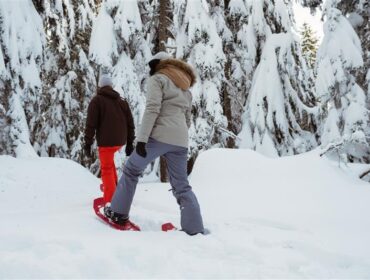
The trail disappears under a thick layer of snow. The trees stand silent, and every step feels heavier than the last. This is where adventure begins. Exploring Snowshoe Trails is not just about walking on snow. It is about pushing limits, testing balance, and discovering a different side of winter.
If you have only tried casual snowshoeing, extreme terrain will feel like a whole new world. Steeper climbs, deeper snow, and unpredictable surfaces demand more skill and the right mindset. But once you get the hang of it, the reward is unmatched. Quiet landscapes, untouched paths, and that deep sense of accomplishment.

What Makes Snowshoe Trails More Challenging

Not all trails are equal. Some feel like a peaceful walk. Others test every step you take.
Challenging Snowshoe Trails come with unique conditions that demand more effort and better gear.
You may deal with:
- Deep powder snow: Each step sinks, draining your energy quickly
- Steep inclines: Climbing requires strong footing and balance
- Icy patches: Slippery sections need reliable traction
- Uneven terrain: Hidden rocks and roots make footing unpredictable
- Cold exposure: Weather can change quickly at higher elevations
This is where your gear becomes critical.
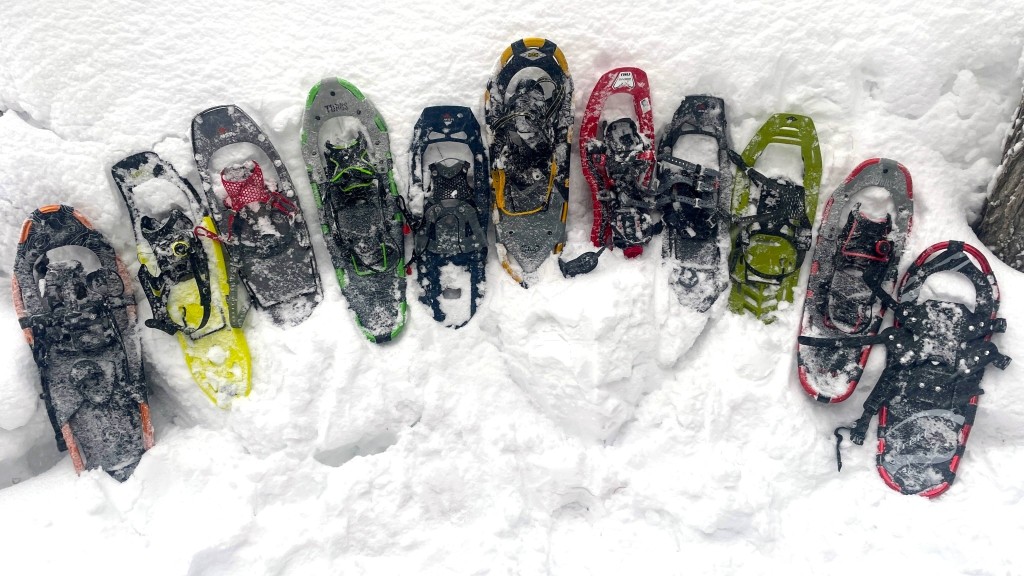
If you are heading into steep or icy terrain, something like the MSR Revo Ascent Snowshoes provides strong traction and durability. Their aggressive crampons help you stay stable when conditions get tough.
For long climbs, heel lift features make a huge difference. The Tubbs Mountaineer Snowshoes for Men reduce strain on your calves, especially on steep slopes.
You start to notice something interesting on tougher trails. It is not just about strength. It is about rhythm, pacing, and reading the terrain.
Gear and Techniques That Make a Real Difference
The right gear does more than support you. It changes how you move.
Take your time choosing snowshoes. A good pair feels like an extension of your steps.
For example, the MSR Lightning Explore Snowshoes for Men 25″ are built for stability and efficiency on mixed terrain. They handle packed trails and fresh snow with ease.
If you prefer something lightweight and versatile, the Atlas Treeline Snowshoe offers solid flotation and comfort for long days outside.
Before heading out, focus on these techniques:
- Short steps: Long strides waste energy in deep snow
- Wider stance: Helps maintain balance on uneven terrain
- Use poles: They add stability and reduce strain
- Lean slightly forward: Especially when climbing uphill
- Kick steps when needed: Create footholds on steep slopes
Snowshoeing on extreme trails is not about speed. It is about control.
The moment you stop fighting the snow and start working with it, everything changes.
That shift makes the experience smoother and far more enjoyable.
You begin to trust your footing. You learn how the snow reacts. And suddenly, the trail feels less intimidating.
Building Confidence on Extreme Snowshoe Trails

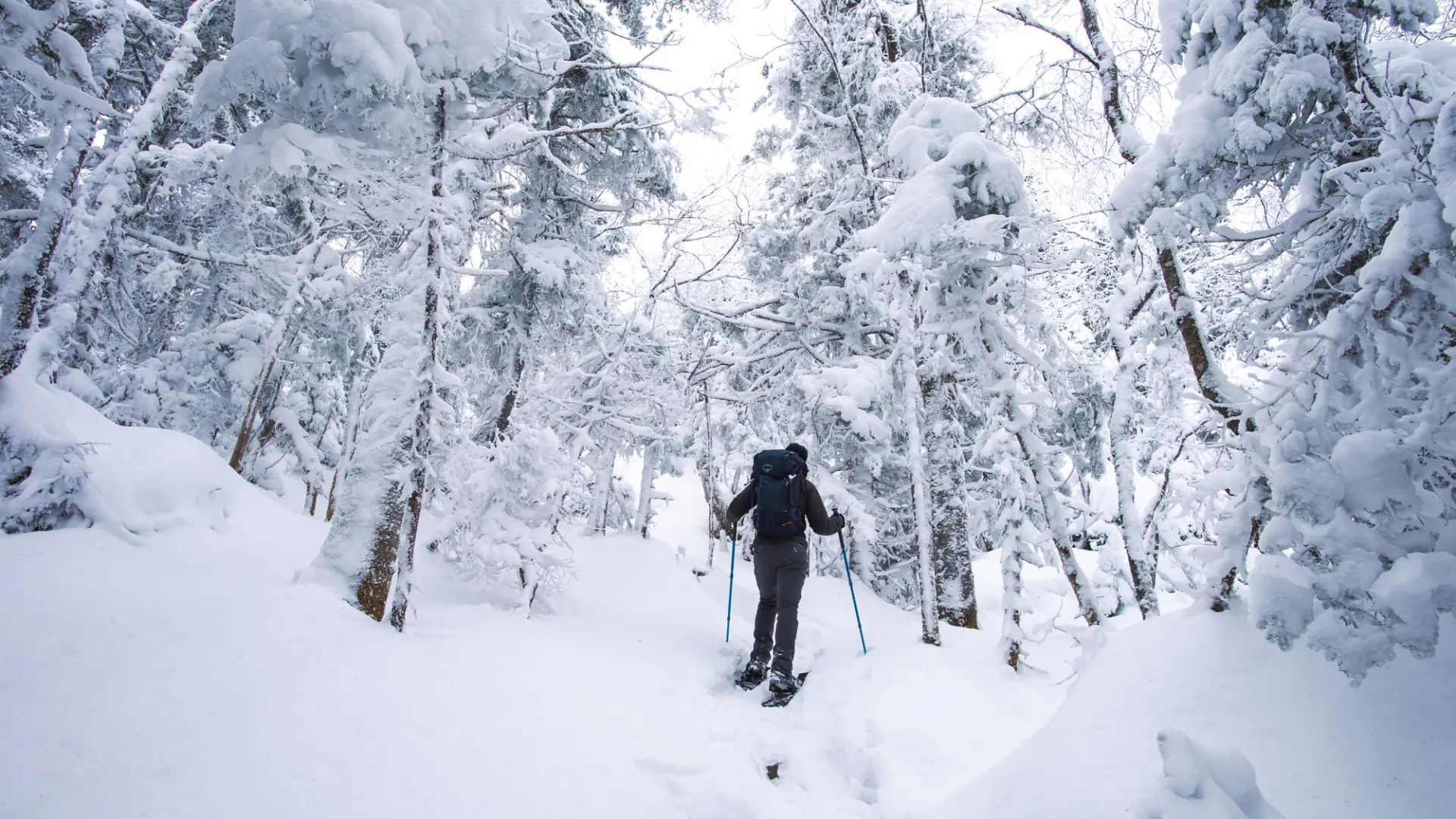
Confidence does not come from reading tips. It comes from time on the trail.
Start small. Pick moderately challenging routes before jumping into extreme conditions. Let your body adapt to the effort.
If you are new to technical terrain, gear like the Tubbs Wilderness Snowshoes can help. They offer reliable traction and smooth movement, which makes learning easier.
As you gain experience, your mindset shifts.
You begin to:
- Read snow conditions quickly
- Adjust your pace without thinking
- Choose safer routes instinctively
- Stay calm in changing weather
There will be moments when the trail feels too hard. That is part of the process.
Take a break. Look around. Breathe in that quiet winter air.
Then take the next step.
That is how progress happens.
Staying Safe While Exploring Remote Winter Terrain
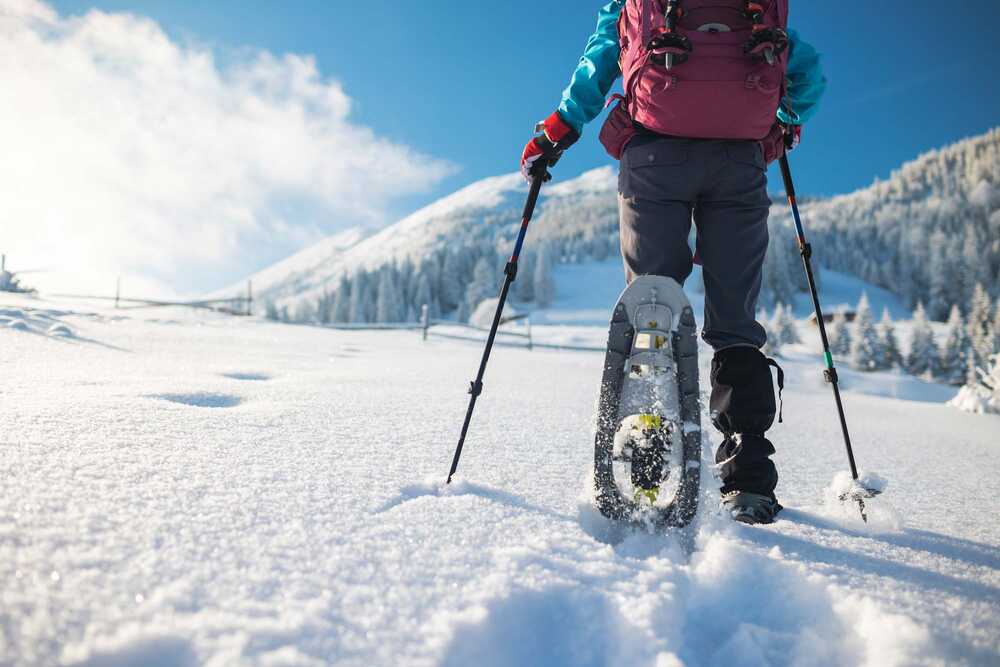
Adventure is exciting, but safety always comes first.
Extreme Snowshoe Trails often lead you far from help. Being prepared is not optional.
Always carry essential gear and plan your route carefully.
Here are a few safety essentials:
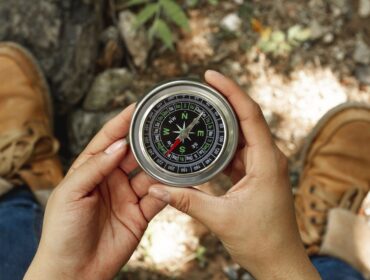
- Navigation tools: Map, compass, or GPS device
- Layered clothing: Stay warm without overheating
- Emergency kit: Include food, water, and first aid
- Weather check: Conditions can change quickly
- Tell someone your plan: Always share your route
Also, know your limits.
It is easy to get caught up in the excitement. But turning back is sometimes the smartest decision you can make.
Snowshoeing rewards patience. Not risk.
Frequently Asked Questions
Are extreme snowshoe trails suitable for beginners
Not right away. Start with moderate trails and build your skills before attempting more challenging routes.
What makes snowshoe trails difficult
Steep slopes, deep snow, icy sections, and uneven terrain increase difficulty.
Do I need special snowshoes for challenging trails
Yes, snowshoes with strong traction and heel lifts perform better on steep and icy terrain.
How do I avoid getting tired quickly
Take shorter steps, maintain a steady pace, and rest when needed.
Is snowshoeing safe in remote areas
It can be safe with proper preparation, gear, and awareness of weather conditions.
What should I carry for extreme snowshoeing
Navigation tools, layered clothing, food, water, and an emergency kit are essential.