Bikepacking combines the best of two worlds – cycling and backpacking. You cover miles on your bike during the day, then set up camp at night. It’s freedom, fitness, and travel all in one. But bikepacking for beginners often comes with a mistake of packing like they’re heading out for a car-camping trip or a multi-week expedition. Too much gear slows you down and makes the ride miserable. Too little, and you may be left without essentials.
This guide breaks down what you truly need for your first bikepacking trip, what you can skip, and which pieces of gear are worth investing in for safety and comfort.
The Bike Setup
You don’t need a $5,000 ultralight carbon bike to get started. Many riders use gravel bikes, mountain bikes, or even road bikes with wider tires. What matters most is fit and comfort. You’ll be riding long hours, so choose a bike you trust.
What You Need
-
Bikepacking Bags: Instead of bulky panniers, go with a frame bag, handlebar roll, and seat pack. They balance weight and keep you agile.
-
Try: Ortlieb Seat-Pack – waterproof, lightweight, and attaches securely without racks.
-
-
Wider Tires: 40mm or wider tires handle mixed terrain better than narrow road tires.
-
Bottle Cages or Hydration Storage: Multiple mounting points let you carry enough water on longer stretches.
What You Don’t
-
Heavy Racks and Panniers: Great for touring, but for short bikepacking trips, they add unnecessary bulk.
-
Race-Only Frames: Aero setups and stiff racing bikes aren’t built for the weight or comfort you’ll need.
Shelter & Sleep System
At the end of the day, you’ll need solid rest. But that doesn’t mean hauling a four-person tent or bulky bedding.
What You Need
-
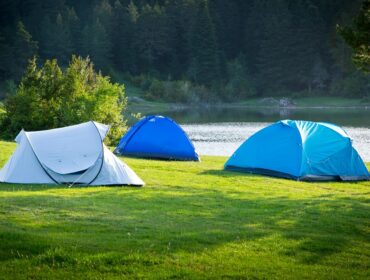
Lightweight Tent, Bivy, or Hammock: Choose based on terrain and weather.
-
Try: NEMO Dragonfly OSMO Tent – freestanding, packs small, and handles three-season trips.
-
-
Sleeping Bag: Look for a 3-season down or synthetic bag. Down packs smaller, but synthetic performs better in damp conditions.
-
Try: Big Agnes FlyCreek HV UL1 – lightweight and warm.
-
-
Sleeping Pad: Comfort and insulation matter. Inflatable pads pack tiny.
What You Don’t
-
Oversized Family Tents: Too heavy and unnecessary.
-
Bulky Foam Pads: Cheap but cumbersome on a bike.
Food & Cooking
Food keeps your energy up, but don’t overcomplicate it. You don’t need a full kitchen on the trail.
What You Need
-
Compact Stove + Pot: A canister stove is efficient and easy.
-
One Cooking Pot or Mug: Multi-use gear saves weight.
-
Dehydrated Meals & Snacks: High-calorie, lightweight, and easy to prep.
-
Water Filtration: A must for long trips.
What You Don’t
-
Full Cookware Sets: Multiple pots and pans waste space.
-
Coolers: Impossible to carry on a bike.
Clothing & Layers
One of the biggest mistakes beginners make is packing too many clothes. Remember: you can re-wear, wash, and rotate.
What You Need
-
Moisture-Wicking Base Layers: Synthetic or merino wool dries fast and resists odor.
-
Padded Cycling Shorts: A must for comfort.
-
Rain Jacket: Ultralight but waterproof.
-
Insulated Layer: A packable puffy for cooler nights.
What You Don’t
-
Multiple Outfit Changes: Stick to two riding kits and one camp outfit.
-
Heavy Fleece or Jeans: They don’t pack small and don’t perform well in wet conditions.
Tools & Safety
Your bike is your lifeline. Be prepared for breakdowns and emergencies.
What You Need
-
Multi-Tool with Chain Breaker
-
Spare Tubes + Patch Kit
-
Mini Pump or CO₂ Inflator
-
First-Aid Kit: Compact but comprehensive.
-
Bike Lights: Front and rear for safety.
-
Navigation: GPS unit or smartphone with offline maps.
What You Don’t
-
Full Tool Kit: Keep it simple.
-
Heavy Bike Lock: Only carry a lightweight cable if you’ll be in towns.
Optional Comforts
Once you’ve done a few trips, you can add luxuries if weight allows.
-
Compact Camp Chair
-
Try: Helinox Chair Zero.
-
-
Power Bank: Keep devices charged. Solar panels are optional for longer tours.
-
Coffee Press or Collapsible Mug: Worth it if you’re a coffee lover.
Final Thoughts
Bikepacking for beginners doesn’t have to be intimidating. At its core, you need a solid bike setup, a lightweight shelter, a way to stay fed and hydrated, and the right tools for safety. Start small, pack light, and refine your gear list as you go. The goal is to balance comfort with efficiency so you can enjoy the ride as much as the overnight.
Bikepacking for beginners, the key is to avoid overpacking. Skip the “what if” items and focus on essentials that keep you moving, resting well, and staying safe. Once you gain experience, you’ll know which optional comforts are worth the weight.
Ready to get started? Explore bikepacking – ready tents, packs, stoves, and cycling gear at SunnySports.
FAQs: Bikepacking for Beginners
1. What’s the difference between bikepacking and traditional bike touring?
Bikepacking focuses on lightweight gear and off-road routes, using frame bags and minimal setups. Touring typically involves panniers, racks, and paved-road travel.
2. Do I need a special bike for bikepacking?
Not necessarily. While gravel bikes and hardtail mountain bikes are popular, many riders adapt what they already own. The key is tire clearance, comfort, and the ability to carry gear.
3. How much gear should I bring on my first bikepacking trip?
Start with the essentials: sleep system, shelter, food/water, repair kit, and navigation tools. Avoid overpacking – you’ll quickly learn what’s truly useful after your first trip.
4. Can I bikepack with a road bike?
Yes, but it depends on terrain. Road bikes work for smoother surfaces, but they limit off-road exploration. Wider tires, stronger wheels, and disc brakes improve performance.
5. How do I carry food and water while bikepacking?
Frame bags, top-tube pouches, and fork cages are popular for food. Hydration bladders or extra bottle mounts help manage water – especially in dry regions.