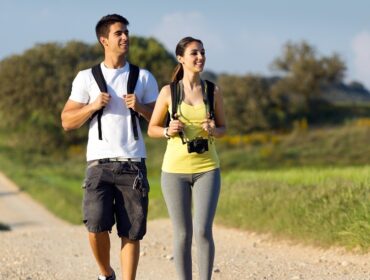
Backpacking is an exciting outdoor activity that blends hiking, camping, and self-reliance. For those new to this rewarding pursuit, understanding the basics is crucial for a successful journey. This comprehensive guide will provide essential backpacking tips for beginners, ensuring you’re well-prepared for your adventure into the wilderness. Whether you’re wondering, “What is a backpacker?” or just want to know how to start backpacking, this guide will cover all the essentials.
Benefits of Backpacking
Backpacking, especially when you’re backpacking camping, offers numerous physical and mental benefits. Some of the top reasons people fall in love with it include:
- Physical fitness improvement: Carrying your gear and navigating trails boosts strength and stamina, offering a full-body workout.
- Mental well-being enhancement: Spending time outdoors can reduce stress and improve your mood, creating a sense of inner peace.
- Connection with nature: You’ll appreciate the untouched beauty of nature, away from the noise of everyday life, where you can focus on the simplicity and rawness of the world.
- Self-reliance development: Backpacking teaches you to depend on yourself and your skills to survive comfortably.
- Appreciation for minimalism: Backpacking encourages you to travel light, helping you understand the value of minimalism and to carry only what is truly essential.
Essential Tips for Beginners
If you’re new to backpacking, these beginner backpacking tips will get you started on the right foot. Whether you’re planning for a Big Agnes Copper Spur HV UL – 2 Person or setting up a Marmot Tungsten Tent – 3 Person, having the right plan is key.
Planning Your Trip
Packing Essentials
One of the first questions beginners ask is how to start backpacking and what to pack. The following are backpacking for beginners essentials that will help ensure a smooth experience:
- Backpack: Choose a comfortable, well-fitting pack that matches the duration of your trip, such as those designed for a Big Agnes Copper Spur HV UL – 2 Person ultralight tent or the Nemo Dagger OSMO Ultralight Backpacking Tent – 2 Person.
- Tent: Look for a lightweight, weather-resistant shelter that is easy to set up, such as the Marmot Catalyst Tent, Red Sun/Cascade Blue – 3 Person.
- Sleeping bag: Select one appropriate for the climate you’ll be camping in.
- Stove: A compact, efficient cooking solution is essential for preparing meals on the go. Consider one that’s stable for uneven surfaces to maximize safety.
- Clothing & Footwear: Layering is key. Ensure you have the right clothing for changing temperatures, with moisture-wicking base layers and insulating mid-layers.
- Navigation tools: Map, compass, or GPS devices are crucial for safe navigation in unfamiliar territory.
Gear Recommendations

Choosing the right gear is essential for a successful backpacking adventure. Here are some key items and tips for beginner backpacking, including options suitable for a Big Agnes Wyoming Trail Camp Tent – 2 Person or a Kelty All Inn 3 Season Tent – 3 Person Lightweight Backpacking Tent.
Backpacking Backpack
Your backpack is the foundation of your backpacking experience. When selecting a pack, consider:
- Padded hip belt and shoulder straps: These features make carrying your load more comfortable.
- Multiple compartments for organization: Keep your gear organized and accessible, especially when using a Big Agnes Copper Spur HV UL mtnGLO Tent – 2 Person for overnight stays.
- Water-resistant material: Protect your belongings from unexpected weather conditions.
Backpacking Tent
A good tent is a vital component for beginner backpacking. Look for one that is:
-
-
- Lightweight and compact: You’ll need to carry it, so weight is crucial. Consider the MSR Elixir Backpacking Tent with Footprint – 2 Person.
- Easy to set up: After a long hike, a tent that’s quick to set up will save energy and ensure a good rest.
- Weatherproof: Ensure it’s suitable for the weather conditions expected.
-
-
Backpacking Sleeping Bag
A quality sleeping bag ensures you stay warm and comfortable during the night. Choose one that:
-
-
- Is rated for the expected temperatures: Make sure it suits the climate where you’ll be camping.
- Compressible for easy packing: Save space in your pack for other essentials.
- Made with quality insulation (down or synthetic): The right insulation can make a huge difference in comfort and warmth during cold nights.
-
-
Backpacking Stove
Being able to cook is crucial during hiking and camping. A reliable stove should offer:
-
-
- Fuel efficiency: Save weight by using less fuel—opt for efficient models.
- Compact design: Backpacking means traveling light, and the Eureka Mountain Pass Tent – 2 Person is a perfect companion.
- Stability on uneven surfaces: Important when cooking in nature.
-
-
Clothing and Footwear
When embarking on hiking trips for beginners, proper clothing is critical:
-
-
- Moisture-wicking base layers: Keep sweat away from your body, ensuring comfort.
- Insulating mid-layers: Keep warmth trapped when temperatures drop.
- Waterproof and breathable outer layers: Protection against wind and rain is essential.
- Sturdy, broken-in hiking boots: Proper footwear prevents blisters and injuries. Sturdy boots are necessary when using a Sierra Designs Meteor Lite Tent – 3 Person.
- Moisture-wicking socks: Keep your feet dry and comfortable, crucial for long hikes.
-
-
GPS for Backpacking
If you’re asking yourself, “What does backpacking mean when it comes to navigation?” it means being prepared. A GPS device can provide extra safety on top of traditional map and compass skills:
-
-
- Durability and water resistance: Your GPS should withstand the elements.
- Long battery life: Stay prepared for the length of your backpacking adventure, especially when using tents like Nemo Aurora Backpacking Tent with Footprint – 2 Person.
- Preloaded maps and waypoint marking capabilities: Easier navigation on the go.
-
-
Backpacking Hydration Pack
Hydration is a top priority. A good hydration pack should have:
-
-
- Sufficient water capacity: Carry enough water for your needs.
- Comfortable fit: The hydration pack should feel like a natural extension of your backpack.
- Ease of cleaning: Important for maintaining hygiene.
-
-
Backpacking Water Filter
Clean drinking water is essential. Choose a backpacking water filter that offers:
-
-
- Effectiveness against bacteria, protozoa, and viruses: Keep your drinking water safe.
- Ease of use in the field: The filter should be intuitive.
- Lightweight and compact: Save room in your backpack.
-
-
Safety Tips for Backpackers
For beginner backpacking tips, staying safe is critical. Here’s how to stay secure:
First Aid Essentials
A well-stocked backpacking first aid kit should include:
-
-
- Bandages and gauze: For minor injuries.
- Antiseptic wipes: To clean wounds and prevent infection.
- Pain relievers: For headaches and muscle aches.
- Blister treatment: Prevent and treat blisters during your hike.
- Personal medications: Don’t forget your prescription meds.
-
-
Wildlife Safety
To minimize encounters while backpacking:
-
-
- Store food properly using bear canisters or bear bags: Keep food away from wildlife.
- Make noise while hiking: Avoid surprising animals and help them steer clear of you.
- Learn appropriate responses to wildlife encounters: Knowing what to do if you encounter a bear or other wildlife is essential for safety.
-
Trail Navigation
Proper navigation skills are essential when out in the wilderness.

Map Reading Skills
For a successful backpacking experience, practice reading topographic maps:
-
-
- Learn to read contour lines and map symbols: Understand elevation and the layout of your trail.
- Use landmarks and compass skills: Combine map reading with the use of a compass for complete navigation.
-
GPS and Navigation Apps
A GPS device is convenient, but tips for beginner backpackers include never relying solely on it. Always carry a map and compass—even when using MSR Hubba Hubba Backpacking Tent – 2 Person for short trips.
Backpacking Food and Nutrition
Proper nutrition is crucial for energy while hiking. Here are some backpacking food tips:
-
-
- Plan high-calorie, nutrient-dense meals: Calories are your fuel during backpacking.
- Opt for lightweight, non-perishable foods: Less weight means easier travel.
- Pack energy bars and trail mix: Quick and easy snacks to keep you going.
- Use a backpacking stove for hot meals: A warm meal can be great for morale, especially when camping with the Big Agnes Fly Creek HV UL2 Tent.
-
-
Environmental Considerations
One important aspect of backpacking is understanding how to reduce your environmental impact.
Leave No Trace Principles
-
-
-
- Pack out all trash: Leave no evidence of your presence and keep natural areas pristine.
- Use established campsites and trails: Protect natural vegetation by staying on marked paths.
- Properly dispose of human waste: Use digging tools or designated facilities to minimize impact.
-
-
Responsible Camping Practices
-
-
- Minimize campfire impacts: Stick to camp stoves when possible to reduce fire damage.
- Respect wildlife and plant life: Admire from a distance without disturbing the ecosystem.
- Use biodegradable soap for washing: Be kind to the environment by choosing eco-friendly products.
-
Physical Preparation
Being physically prepared will improve your backpacking experience.
Building Endurance
To prepare for hiking trips for beginners:
-
-
- Gradually increase the length and difficulty of day hikes: Build your stamina by practicing on local trails.
- Incorporate cardio exercises into your routine: Running, cycling, or swimming can help.
- Practice hiking with a loaded backpack: Familiarize yourself with the weight you’ll be carrying, especially if you plan on using a Marmot Catalyst Tent, Red Sun/Cascade Blue – 2 Person.
-
Strength Training
For those wondering how to start backpacking, online resources and local groups are great places to begin:
-
-
- Hiking Forums and Groups: Join online communities or local groups to share experiences, get tips, and find hiking partners.
- Stay updated on trail conditions: Learn about recent experiences of others.
-
-
Community Resources
Consider taking courses to further develop your skills:
-
-
- Wilderness first aid: Knowing how to handle emergencies is crucial.
- Navigation skills: Learn to use both GPS and traditional tools.
- Leave No Trace principles: Protect the environment you enjoy.
-
-

Conclusion
Embarking on a backpacking adventure can be an incredibly rewarding experience. By following these essential backpacking tips for beginners, you’ll be well-prepared to tackle the challenges and enjoy the beauty of the great outdoors. Remember, when you’re learning how to backpack, it’s wise to start with shorter trips and gradually build your skills and confidence. With the right preparation, gear, and mindset, you’ll be ready to create unforgettable memories on the trail—whether you’re using a Big Agnes Wyoming Trail Camp Tent – 4 Person. Preparation and an adventurous spirit are key to a successful backpacking journey!
Frequently Asked Questions
Choose a backpack based on your torso length (not your height), the capacity you need for your trip length, and features that match your preferences. Visit an outdoor retailer to get properly fitted.
What’s the best way to treat water in the backcountry?
Common methods include water filters, purification tablets, and boiling. Each has pros and cons in terms of effectiveness, speed, and convenience. Many backpackers use a combination of methods for redundancy.
How can I minimize wildlife encounters while backpacking?
Store food properly using bear canisters or hanging food bags, cook and eat away from your campsite, and make noise while hiking to avoid surprising animals. Research specific wildlife precautions for your destination.
How do I deal with blisters on the trail?
Prevention is key—wear well-fitting boots and moisture-wicking socks. If you feel a hot spot, stop immediately and apply moleskin or athletic tape. For formed blisters, use specialized blister bandages and keep the area clean and dry.
How much food should I pack for a backpacking trip?
A general rule is 1.5 to 2.5 pounds of food per person per day, aiming for 2,500-4,500 calories depending on your size, the difficulty of the terrain, and weather conditions. Always pack a little extra for emergencies.