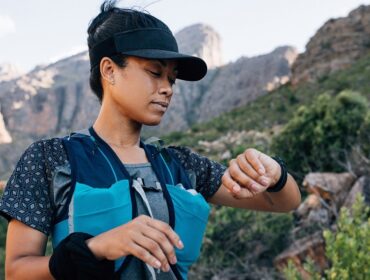
Let’s get clear. The term backcountry camping means you’re going off-grid and hiking into your site, possibly with no one else around. You’re away from amenities, maybe miles from a road, and everything you bring has to be carried in and carried out.
Car camping is when you drive to a campsite, park a few feet from your tent, and bring whatever you want. Want to bring a 6-burner grill? Go for it. Want to pack three coolers, an air mattress, and a full-size lantern? No problem.
Backcountry campers don’t have that luxury. Every ounce counts. That means lightweight gear, efficient setups, and knowing how to adapt to changing conditions. But it also means real solitude, better views, and that quiet stillness that only happens when you’re far from everyone else.
Car camping is great for families, beginners, or anyone who just wants to enjoy nature without going full Bear Grylls. But for those craving a challenge, backcountry camping is where things get real and where the right gear becomes essential.
In this guide you will find out more about backcountry camping and car camping. Also, what gears you should take with you.
Primitive Camping: Back to Basics with the Right Gear
Primitive camping strips it all back. No restrooms, picnic tables or trash cans. Just raw terrain and your ability to live on it for a night or two.
This is where knowing your gear makes or breaks your experience. Everything you bring needs a reason. The reward? Total immersion. You fall asleep to wind through trees, not generators. You wake up to the sound of wildlife, not someone cooking bacon three feet away.
Primitive doesn’t mean unsafe or uncomfortable, it just means unassisted. Bring gear that earns its keep. A sleeping bag that packs small but keeps you warm. A cook setup that fits in your hand. Shoes that handle rocks, mud, and distance. And always, always check the local rules.
The trick to loving primitive camping is prep. Know your gear, know your route, and respect the land. Keep it clean, leave no trace, and carry out everything you brought in.
Essential Gear List for Backcountry Camping
So what do you actually need when heading into the backcountry? Here’s a rundown of the essentials to keep things light, safe, and smart.
1. Shelter
You’ll want a lightweight tent, bivy, or tarp setup depending on weather and bugs. One-person tents with a rainfly are the go-to for many solo campers. Check for weatherproofing and good ventilation.

Sierra Designs Alpenglow 6 Person Tent
This tent is a great choice for families or groups that want fast setup and reliable protection in the wild. The freestanding frame pops up easily with equal-length poles that clip into place. Even first-timers won’t struggle getting it ready before dark.
It’s built to handle unpredictable weather thanks to a sealed floor that blocks moisture and keeps the inside dry. Mesh walls allow fresh air to move through, which helps reduce condensation. The single large door makes getting in and out simple.
2. Sleep System
A compact sleeping bag rated for the coldest temp you’ll face is key. Add a sleeping pad for insulation and comfort. Choose from foam or inflatable depending on your style.

Sea to Summit Spark Down 0 Degree Ultralight Sleeping Bag
This sleeping bag brings serious warmth without extra weight. It’s packed with high-quality goose down for maximum insulation on cold nights. The down is treated to resist moisture, so you stay dry even in damp conditions.
A snug-fitting hood and shaped footbox keep heat in where it matters most. The material is soft but durable, making it comfortable and long-lasting. A full-length zipper makes it easy to cool down or climb in quickly after dark.
Nemo Switchback Ultralight Sleeping Pad
This sleeping pad is designed to keep you warm and comfortable without weighing down your pack. It folds like an accordion, making it easy to pack. The foam is shaped to hold its structure while adding support in the right places.
A thermal layer reflects your body heat back to you, which helps on colder ground. The taller bumps give sleeping bags more room to stay fluffy and warm. It’s simple, reliable, and built for rough terrain where inflatable pads might fail.
3. Water Filtration
Don’t carry all your water. Use a lightweight filter pump, squeeze filter, or chemical tablets. Always purify from streams or lakes.

Katadyn Vario Dual Technology Micro Water Filter
This water filter gives you fast access to clean water when you’re deep in the backcountry. It pumps up to two liters per minute, which is plenty for solo use or small groups. The ceramic pre-filter adjusts to different water sources, making it work well in both clear and murky water.
The activated charcoal improves taste and removes odors, while the glass fiber filter handles bacteria and protozoa. At under one pound, it’s easy to carry and store. Its compact size fits in most hydration setups or daypacks. This filter gets the job done without requiring a science degree or extra tools.
4. Cooking Setup
Ultralight stoves are the key here. Pair it with a titanium pot and dehydrated meals. Don’t forget a lighter and a backup fire starter.

MSR PocketRocket 2 Mini Stove Kit
This stove kit is built for people who like to pack light but still want hot meals in the wild. It’s small enough to fit in your palm and boils water in about three minutes. It nests perfectly with a fuel canister inside its own pot, saving space in your pack.
Don’t unwrap your stove or pitch your tent for the first time at camp. Test everything in your backyard or living room before your trip.
The included bowl and pot double as your cook and eating gear. The insulated pot grip keeps your fingers safe while handling hot food. It’s a fast, no-fuss cooking solution when all you want is coffee or a quick meal. Great for solo hikers, bikers, or anyone tight on space.
5. Food Storage
In bear country, use a bear canister or hang a bear bag. Outside of that, smell-proof sacks or dry bags work well.

BearVault BV500 Solo Bear Resistant Food Canister Bundle with BV425 Canister
This canister bundle makes food storage easy and keeps wildlife out of your meals. The tool-free lid opens quickly but stays locked against curious animals. Its transparent body lets you see what’s inside without digging.
Each canister holds days’ worth of food, making it ideal for weekend or week-long trips. Built-in tie-down points help secure it at camp or on your pack. The wide opening makes packing and access simple. It’s tough, lightweight, and made to meet most backcountry regulations.
6. Navigation
GPS is helpful, but bring a compass and map as backup. Especially important if you’re on unmarked or lesser-used trails.

Garmin Quatix 7 Marine GPS Smartwatch
This smartwatch is built for people who want powerful GPS features without worrying about battery life. It runs up to 18 days on one charge. Whether you’re hiking, boating, or tracking inland trails, it keeps your location updated.
Use touchscreen or physical buttons, depending on your preference or gloves. It connects to marine electronics and offers detailed coastal and inland maps. It’s lightweight, rugged, and smart enough to track everything from tides to altitude.
7. Lighting
A reliable flashlight with extra batteries is a must. Don’t rely on your phone’s flashlight.

Don’t Overthink It – Just Prepare Right
Here’s the thing – camping doesn’t need to be complicated. But if you’re heading out into the backcountry, you do need to be ready.
That means choosing the right gear, knowing how to use it, and understanding your own limits. If you’re not sure whether to try backcountry camping or stick with car camping, start small. Hike a mile or two in, camp overnight, and see how it feels. Then push further next time.
The key is always balance. You want enough gear to be safe and comfortable, but not so much you’re dragging a deadweight pack up a mountain. Whether it’s your first trip or your fiftieth, the best setup is the one that fits your pace, your terrain, and your adventure.
FAQs
What is backcountry camping?
Backcountry camping means hiking into remote areas without services. You carry everything and camp far from roads or facilities.
What gear is essential for backcountry trips?
You need shelter, sleep gear, water filtration, food storage, light, navigation tools, and weather-ready clothing.
Can I use regular camping gear for backcountry camping?
Some crossover gear works, but bulky or heavy items can be a major burden. Look for lighter, more compact versions.
What’s the best way to learn backpack-in camping?
Start short. Practice locally. Test your gear before going remote. Learn from others and keep adjusting your setup.
How is primitive camping different from regular camping?
Primitive means no developed site, no water, no bathrooms – just wild land and whatever you bring to survive comfortably.