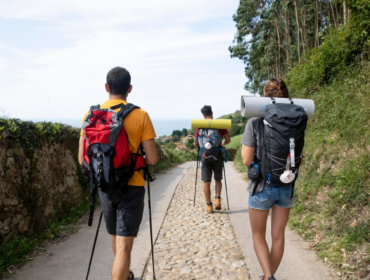
Camping is an exhilarating way to connect with nature, escape the chaos of daily life, and unwind. Camping safety tips are the foundation of any successful outdoor adventure, and they can make the difference between a memorable experience and a disaster. The beauty of nature calls to many, but answering that call requires more than just enthusiasm. Your outdoor journey begins long before you set foot on the trail.
Planning Your Camping Trip with Safety in Mind
Camping begins long before you step out into the wilderness—it starts with careful planning. The first and most crucial camping safety tip is to prepare yourself mentally and physically for the adventure. While spontaneous trips may sound exciting, they can often lead to challenges that are better handled with thoughtful preparation.
When choosing a campsite, research is your best friend. Look into the terrain, weather conditions, and any wildlife you might encounter. A well-chosen campsite can prevent issues like flooding from sudden rains or dangerous wildlife encounters. Choose a location that offers easy access to water, shade, and flat ground for your tent. Make sure you understand the area’s regulations and guidelines—whether you’re allowed to have campfires or if certain trails are closed.
Always let someone know where you’re going and when you expect to return. This simple step could be a lifesaver if anything unexpected happens. Carrying a map, compass, or GPS device is another key to safety, especially in remote areas where cell service might be spotty or non-existent.
Camping Safety Tips: Movement, Equipment and Overcoming Potential Challenges
Preparation is a balancing act: bring enough to stay safe and comfortable but avoid overpacking. You don’t want to haul unnecessary items, but forgetting critical gear like a first-aid kit or weather-appropriate clothing can lead to dangerous situations. Let’s dive into what makes a camping trip not just enjoyable but safe.
1. Smart Movement and Organization

When you arrive at your campsite, your first instinct might be to throw down your gear and start relaxing. But this is where the real camping safety tips come into play. Movement and organization are key to avoiding injuries and maintaining a secure campsite.
As you set up your tent, be mindful of your surroundings. Look for overhead hazards like loose tree branches, and make sure you’re close enough to steep drop-offs or water bodies. While these features may seem scenic, they can quickly become safety hazards, especially during the night or in bad weather.
Pitch your tent on level ground, far from potential flood zones. Secure it properly with stakes and guy lines to prevent it from blowing away or collapsing in the wind. This ensures not only comfort but also safety in unpredictable weather conditions.
Keep your gear organized and easily accessible. This will reduce the risk of tripping over equipment in the dark and save you time in case of an emergency. Be mindful of food storage—keeping food secure and away from wildlife is essential. Improper food storage can attract unwanted animals to your campsite, creating a dangerous situation for you and your fellow campers.
2. Using Equipment Wisely
Campfires are often central to the camping experience, but they can also be a source of significant danger if not handled properly. One of the most crucial camping safety tips involves knowing how to build, maintain, and extinguish a campfire safely.
Always build your fire in designated areas or fire pits, if available. Clear the surrounding area of dry leaves, branches, and anything that could catch fire. Keep water or a fire extinguisher nearby in case the flames spread. Never leave a campfire unattended, even if it seems small and manageable. The smallest spark can grow into a wildfire in dry conditions, and the consequences could be devastating.
When it’s time to put the fire out, douse it with water and stir the ashes until they’re cool to the touch. This ensures the fire is completely out and won’t reignite after you’ve gone to sleep or left the campsite. If the area has fire bans due to dry weather, respect those regulations. It’s better to forgo a fire than risk causing a dangerous situation.
If you’re using gas stoves or lanterns, make sure they’re in good working order before leaving for your trip. Always read the manufacturer’s safety guidelines and use these devices in well-ventilated areas to avoid carbon monoxide poisoning.
3. Safety in Exploration
When you’re out exploring the wilderness, movement is a big part of your camping safety strategy. While hiking and trekking are often the highlights of a camping trip, the terrain can be unpredictable. It’s important to know your limits and pace yourself, especially in challenging environments.
Wear appropriate footwear to protect your feet from rough terrain, sharp rocks, or unexpected water crossings. Sturdy, waterproof hiking boots with good ankle support are a must-have for any serious camper. This may seem like a small detail, but the wrong shoes can lead to slips, falls, or painful blisters, potentially cutting your trip short.
As you move through the trails, keep an eye on your surroundings. Pay attention to signs of changing weather conditions, such as darkened clouds or sudden temperature drops. If the weather turns bad, return to camp or seek shelter immediately. Trying to power through a storm can leave you vulnerable to lightning, hypothermia, or injury from falling debris.
Navigating the wilderness is as much about being cautious as it is about enjoying the experience. Stick to marked trails as much as possible to avoid getting lost. If you do venture off-trail, make sure you have a reliable map and know how to use a compass or GPS device. Many accidents happen when campers stray too far from known paths, especially in areas with thick vegetation or rocky outcrops.
4. Dealing with Wildlife
One of the most exciting aspects of camping is the chance to observe wildlife in their natural habitat. However, interacting with animals also comes with its own set of challenges. The key camping safety tip here is to respect wildlife from a distance. Never feed wild animals, as it can encourage them to approach campsites, leading to dangerous situations.
Store your food in bear-proof containers or hang it from a tree if you’re in an area known for larger predators. Even smaller animals like raccoons or squirrels can cause havoc if they get into your food supplies.
If you encounter an animal on a trail, stay calm and slowly back away. Never run, as this can trigger an instinctual chase response, especially in predators. Make yourself appear larger by raising your arms and speaking in a firm voice. In the unlikely event that you encounter a bear, make sure you know how to respond based on the species—black bears and grizzly bears require different tactics.
It’s also important to be mindful of insects like ticks and mosquitoes, which can carry diseases. Wear insect repellent and check your body regularly for ticks, especially after hiking through wooded or grassy areas.
5. Overcoming Unexpected Challenges

No matter how well-prepared you are, camping comes with its fair share of unexpected challenges. A key camping safety tip is to stay calm and think clearly in these situations.
If you or someone in your group gets injured, assess the severity of the injury and use your first-aid kit to provide immediate care. For minor injuries like cuts or sprains, clean the wound and keep it elevated if possible. For more serious injuries, such as broken bones or deep cuts, stabilize the injured person and seek help. This is where having an emergency communication device, like a satellite phone, can be a lifesaver in areas without cell service.
Weather is another unpredictable challenge. While you can’t control the weather, you can prepare for it by bringing appropriate gear and clothing. Waterproof tents, tarps, and layered clothing will help you stay dry and warm, even in adverse conditions. If you’re caught in a storm, stay away from tall trees or open areas to avoid lightning strikes, and take shelter in your tent or a low-lying area.
Being adaptable is one of the most important skills you can develop as a camper. Flexibility in your plans will allow you to handle unexpected situations with confidence and composure.
Conclusion
Remember, camping safety tips aren’t just guidelines; they’re the culmination of lessons learned, sometimes the hard way, by those who ventured before you. Nature offers incredible experiences, but she demands respect. Plan thoroughly, stay alert, and make smart decisions. Your next adventure awaits, and with these precautions, you’re ready to face it safely.
Your outdoor journey is uniquely yours, but safety principles remain universal. Take these camping safety tips to heart, and you’ll be well-prepared for whatever the wilderness presents. Adventure safely, camp wisely, and create memories that last a lifetime.