The Endangered Species Act of 1973 is intended to safeguard animals by preventing them from being hunted into extinction, as well as to protect their breeding and nesting grounds, thus helping future generations to prosper. In fact, as a result of the protections of these resident animals, the very land around them has rebounded and thrived, proving that the Endangered Species Act saves more than animals. Here is a list of five places that are also benefiting from the protections afforded to their resident animals.
1. Oregon
Oregon’s Pacific kelp forests have benefited greatly from the protections granted to the local otter population. Otters are considered a keystone species, meaning one whose demise could destroy an entire ecosystem. As otter numbers declined, the sea urchin population — a favorite food of these clever creatures — blossomed, which threatened the natural underwater kelp forests. By keeping otters from being hunted, sea urchins are kept in check and the kelp forests are preserved.
2. Arizona

The San Bernardino National Wildlife Refuge in Arizona is home to four protected species of fish. Thanks to safeguards in place for these fish, a marsh land known as the San Bernardino cienega that serves as an important stopping point for migratory birds is also thriving. Without these marshlands, countless species of indigenous mammals and amphibians, along with bees and butterflies would be negatively impacted. Threatened species like the Mexican garter snake and the lesser long-nosed bat have also rebounded thanks to this conservation effort.
3. Maine

The Penobscot River is the longest in Maine, and is home to many birds and mammals as well as 11 species of fish, including the protected Atlantic salmon and shortnose sturgeon. Thanks to the coverage of the Endangered Species Act, the river was the site of the largest restoration project of its kind in US history, which included the removal of two large dams to allow the fish to get to the ocean once again, boosting their population.
4. Florida

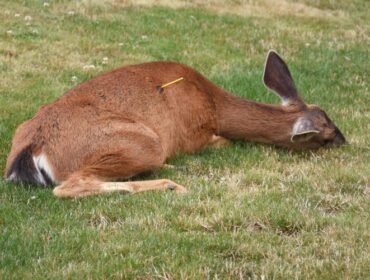
One might not expect to see wild deer way down in the tropical Florida Keys but there is a native population of the compact Key Deer. The National Key Deer Refuge was established in 1957 to make a home for the adorable four-legged creatures. This has also allowed the included mangrove forests and tropical hardwood hammocks within the refuge to become home to at least a dozen other threatened and endangered species, as well as a multitude of residential and migratory birds and numerous varieties of reptiles.
5. Lake Erie

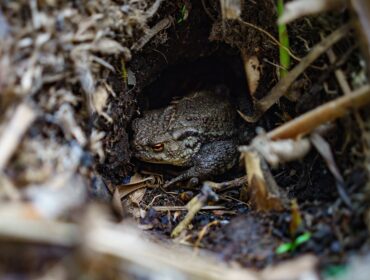
The Lake Erie water snake was once hunted with wild abandon, landing this reptile on the Threatened list in 1999. Loss of habitat was also to blame for its dwindling numbers, so more than 300 acres of land, including 11 miles of shoreline were designated as protected lands, allowing for all the animals in the area to have a safe place to live and breed.
Related articles: The Human Role in the Destruction of Wildlife Habitat and Habitat Destruction: A Human Problem
Featured Image from Joe Cook/Unsplash