 It’s only October, and already some northern states are seeing the first snowfalls of the year. Hiking in the fall can be a beautiful and serene experience, but you should be prepared for the unexpected. A little advance planning can help you survive getting caught unawares by a sudden storm. Check out these ten snow survival tips for fall hiking, and be prepared for anything!
- Leave a route plan and timeline behind with a friend or family member, and stick to it. If you do find yourself stuck in the snow and unable to communicate, you’ll be found much faster if search teams know where to look. This is a pretty good idea no matter what the weather.
- Dress in layers and bring along some extra clothing. Wool is an excellent choice, as are moisture-wicking materials that keep sweat and moisture away from your body.
- Stay hydrated. You may not feel as thirsty hiking in the colder weather but you still need water just as much as when you’re hiking in summer heat.
- Pack extra food. Your body will burn more calories in cold weather as it works harder to keep you warm. Eating fattier foods can help keep you warmer as well.
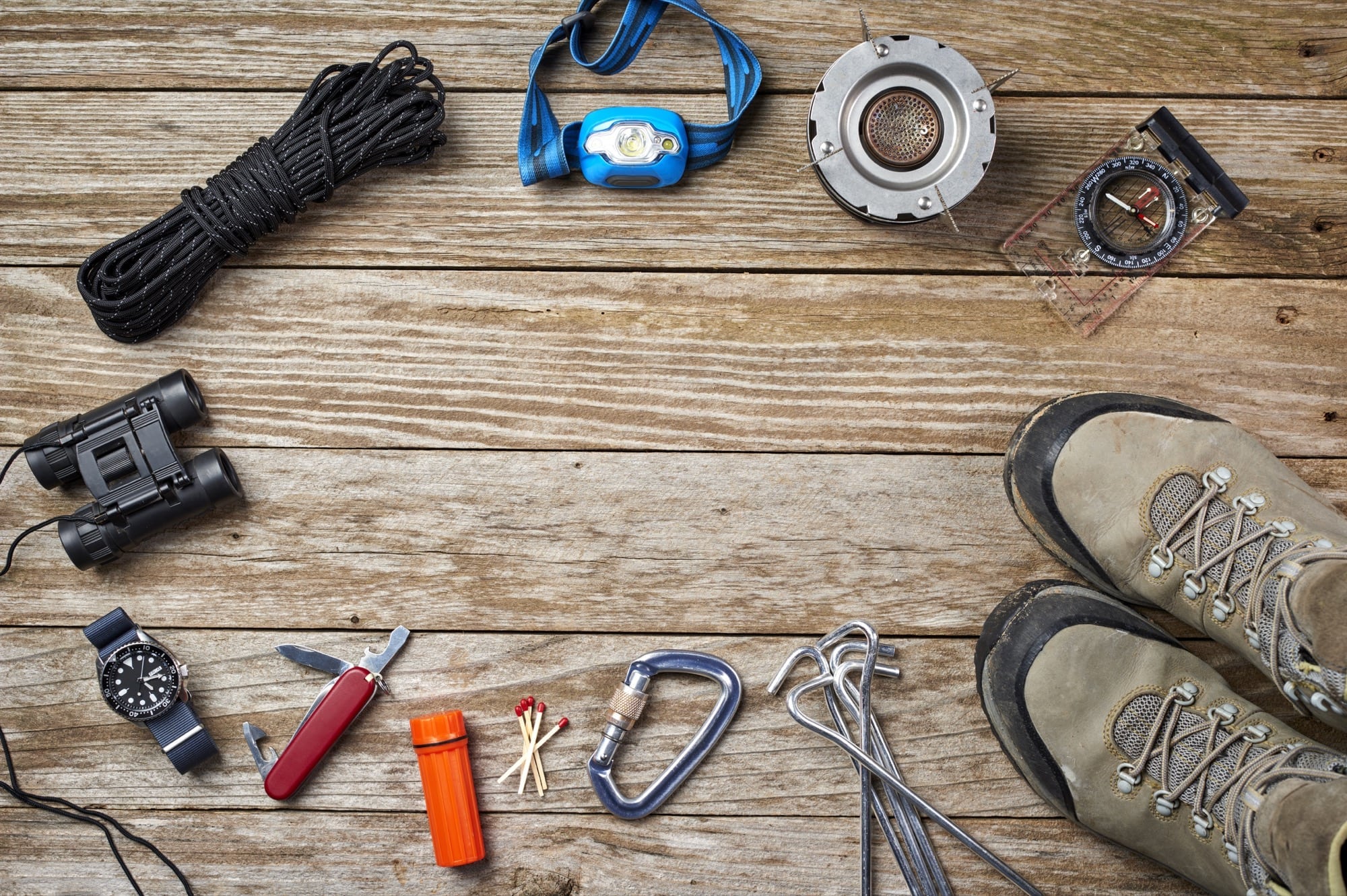
- Pack a flashlight or headlamp and check that it’s working before you leave home. It gets darker earlier and faster in the colder months so you may need the extra light.
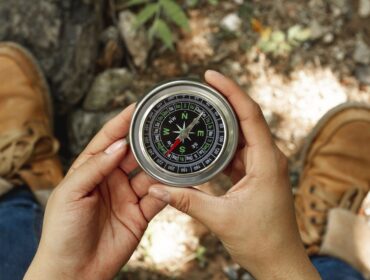
- Carry a compass or GPS. Trail markers can become obscured in the snow causing you to lose your way. Don’t count on using your own footprints as trail markers to find your way back out. They can get covered over or blown away in a storm.
- Be prepared to make a fire if needed. Learn and practice basic fire starting techniques before attempting a hiking trip that might include snow. You don’t want to be trying something for the first time in what could become an emergency situation.
- Choose survival over really roughing it. Carry a lighter and matches with you, along with a small bit of tinder like paper or dry bark. This will save you valuable time if you find yourself having to make a fire.
 Keeping dry and sheltered are your two primary concerns when stuck in a snowstorm. Bring a tent or tarp along so you can have shelter if a sudden storm has you stuck. An emergency blanket can also serve as a makeshift shelter, with the advantage of reflecting your body heat back to you.
- Make sure your car is in good condition. You don’t want to be stuck with a dead battery or faulty starter after you’ve finally made it back to the safe haven of your vehicle. Keep your car keys securely tucked away during your hike so you don’t lose track of them.
Images via mikerhicks, vtdeacon