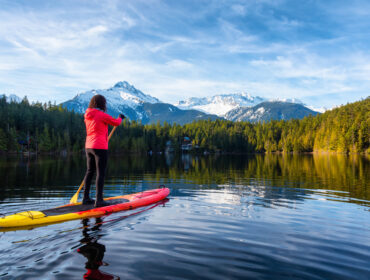
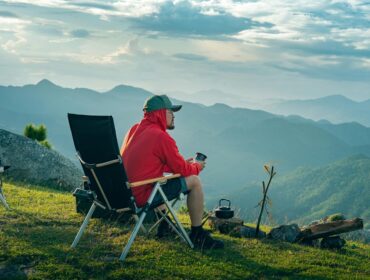
Camping in winter in 2026 has never been more comfortable and safe if you pack the right gear. Cold weather brings unique challenges like snow, shorter days, and colder nights. Being prepared makes the difference between a memorable adventure and a difficult outing. This checklist helps you plan gear that keeps you warm, safe, fed, and ready to enjoy every moment.
This winter camping gear list is organized by category so you can check items before each trip. Make small adjustments based on weather forecasts, terrain, and personal needs.
Layered Clothing System
A good layered clothing setup keeps you warm without sweating too much or getting cold.
Base Layer Tops and Bottoms
Long sleeve base layer shirt and leggings made of wool or quality synthetic fabrics
Mid Layers
Fleece jacket or wool sweater
Light insulated jacket or vest
Outer Layers
Water resistant or waterproof winter jacket
Snow pants or weather shell pants
Extras
Warm hat or beanie
Neck gaiter or scarf
Glove liners
Insulated winter gloves or mittens
Extra pairs of socks in wool or synthetic material
Footwear and Traction
Proper foot gear keeps you warm and reduces the chance of slips and falls.
Insulated winter boots with waterproof exterior
Moisture wicking socks
Spare socks for overnight trips
Traction gear like microspikes or ice cleats
Gaiters for deep snow
Shelter and Sleep
Your shelter and sleep system determines comfort and warmth at night.
Four‐season tent or winter rated shelter
Snow stakes or heavy duty tent stakes
Insulated sleeping bag rated below expected low temperatures
Sleeping pad rated for winter with high insulation value
Emergency bivy sack or space blanket
Hydration and Cooking
Cold weather changes how water and cooking gear perform.
Insulated water bottles or bottles with sleeves
Liquid fuel stove or reliable cold weather camping stove
Wind screen for stove efficiency
Fuel canisters appropriate for low temperatures
Cookware set with pot, utensils, and lid
Water purification method like filter or tablets
Spare lighters and waterproof matches
Food and Nutrition
Staying fueled supports warmth and energy throughout the trip.
High energy foods such as nuts, jerky, and energy bars
Instant hot meals like soup, oatmeal, or freeze dry dinners
Electrolyte drink mixes
Snacks easy to eat with gloves on
Navigation and Light
Short daylight hours make navigation and light sources essential.
Headlamp with extra batteries
Portable lantern
Maps and compass
GPS device or offline map capability on phone
Battery backup or power bank
Safety and First Aid
Cold weather adds extra risks that call for careful safety gear.
Comprehensive first aid kit suitable for winter
Emergency warmth items like hand warmers and heat packs
Fire starting tools such as waterproof matches and lighter
Multi tool and duct tape for gear repairs
Whistle and reflective signal gear
Satellite messenger or personal locator beacon
Hands, Head, and Face Protection
Warm extremities make a big difference in comfort.
Insulated gloves or mittens
Glove liners for dexterity
Warm hat or beanie
Neck gaiter
Face mask or balaclava for wind protection
Winter Weather and Snow Tools
Snow and ice tools help with camp setup and safety.
Small snow shovel for campsite clearing
Ice axe if terrain requires it
Snow saw or saw blade for cutting blocks or clearing site
Repair kit for snow stakes
Electronics and Power
Cold drains battery life faster than warm weather.
Extra batteries for headlamps and devices
Insulated pouch for batteries
Power bank with enough capacity for trip duration
Solar charger optionally for longer trips
Packing and Organization
Packing smart saves time and prevents gear exposure to cold.
Waterproof stuff sacks or dry bags
Organizers for clothing and gear
Trash bags for wet gear or waste
Carabiners for attaching items externally
Personal Comfort Items
Small gear that can make big difference.
Camping chair or sit pad
Hand warmers for gloves and pockets
Foot warmers for boots
Camp towel
Sunglasses or goggles to protect from snow glare
Personal Items and Documentation
Items you do not want to forget.
Identification and permits
Cash or payment method
Toiletries and personal care items
Sunscreen and lip balm for UV protection
Medications and health related items
Final Tips Before Hitting Winter Trails
Start with a gear check a few days before departure. Pack items in waterproof bags to keep them dry. Put frequently used gear near the top of your pack.
Check weather forecasts and adjust the list based on expected conditions. Practicing setup at home or in mild conditions helps make winter cold weather gear familiar before challenging weather arrives.
Staying warm and safe on winter camping trips is about preparation and understanding environment demands. Use this checklist to gather best camping gear that supports comfort and confidence during your 2026 winter trips.
FAQs
Do I need special sleeping gear for winter camping?
Yes. Winter rated sleeping bags and insulated sleeping pads help maintain warmth at night.
How can I keep water from freezing?
Use insulated bottles, store them upside down, and keep them close to body heat when possible.
What food is best for winter camping?
High energy, easy to eat snacks and warm meals like soups and freeze dry dinners work best.
Is traction gear necessary?
Yes. Microspikes or cleats improve safety on snow and ice.
Should I carry extra batteries?
Absolutely. Cold weather drains batteries faster, so spares are essential.