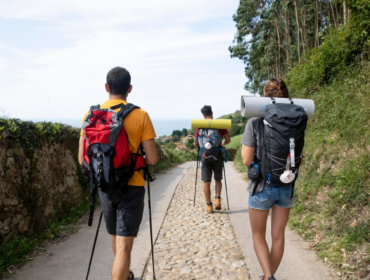
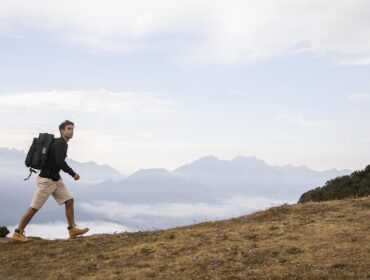
The forest changes when the sun goes down. The air feels cooler, the world sounds different, and every step feels like an adventure. Night hiking isn’t just about the thrill of exploring after dark—it’s about seeing nature in a new way. Creatures that come out at night, trails become peaceful, and the experience feels almost surreal.
If you’ve ever wanted to try a night hike, this guide has everything you need. From choosing the right trail and spotting wildlife to packing the best gear and staying safe, we’ll cover it all. Whether you’re looking for a peaceful evening hike, a guided trail night, or a backpacking adventure under the stars, this is your ultimate roadmap to exploring the outdoors after sunset.
Why Try a Night Hike?
Walking through a trail at night is an entirely different experience than hiking in the daytime. The silence is deeper, the trails are emptier, and your senses feel heightened. The stars replace the sun, and moonlight gives everything a glow. But the real magic? The wildlife.
Nocturnal animals like owls, foxes, and raccoons become more active, and if you’re lucky, you might even hear the distant call of a coyote. Fireflies flicker, frogs croak near ponds, and the wind moves through the trees in a way that feels more mysterious at night.
And then there’s the practical side. Summer night hikes mean cooler temperatures, avoiding the scorching heat of the day. Trails that are usually crowded become peaceful, giving you a more immersive experience. If you love hiking, you owe it to yourself to try it after dark.
What to Pack for a Night Hike
You can’t treat a night hike like a regular daytime trek. With low visibility and colder temperatures, having the right gear makes all the difference.
- A Headlamp or Flashlight – A reliable headlamp keeps your hands free and ensures you can see the trail. Bring a backup flashlight like the Pelican 5020 just in case.
- Reflective or Bright Clothing – Dark clothing makes it harder for others to see you. Wear something bright or with reflective strips to stay visible.
- Mosquito Repellent – Bugs come out in full force at night. A mosquito repellent spray or repellent lantern keeps them away.
- A Fire Igniter – If you’re backpacking at night or camping along the way, a reliable fire igniter is crucial for warmth and cooking.
- A Sleeping Bag and Mattress – If your night hike turns into an overnight adventure, a comfortable sleeping bag and mattress make all the difference.
- A Compact Tent – For backpacking at night, an ultralight tent gives you shelter when it’s time to rest.
Some of the Best Trails for Night Hiking in the U.S.
Not all trails are great for hiking after dark. Some offer breathtaking views of the night sky, while others take you through forests full of nocturnal wildlife. Here are some of the best places in the U.S. for a night hike.
1. Griffith Park, California

One of the best late-night walks near Los Angeles, this trail offers stunning city views and starry skies. The glow from LA lights up the horizon, making it great for beginners who don’t want total darkness. The Mt. Hollywood Trail and the Griffith Observatory Loop are popular night hiking routes where you can spot coyotes, rabbits, and even the occasional owl. Since it’s close to the city, the park is relatively safe, but always be aware of your surroundings.
2. Grand Canyon, Arizona

Hiking the South Rim at night gives you unreal views of the canyon under moonlight, creating a completely different experience than during the day. On full-moon nights, you don’t even need a flashlight, as the canyon walls glow under the natural light. Trails like Bright Angel and South Kaibab are well-maintained and offer breathtaking overlooks, but temperatures drop drastically at night. Bring warm layers and a headlamp with a red-light mode to adjust to the darkness without disturbing your night vision.
3. Acadia National Park, Maine

This park is famous for its dark skies and breathtaking coastal views, making it one of the best places for stargazing while hiking. The Cadillac Mountain Summit Trail is a favorite for night hikers, as it leads to one of the highest points on the U.S. East Coast, giving you a clear, panoramic view of the stars. The quiet forests also make it a great spot for wildlife spotting, with the chance to see moose, foxes, and nocturnal birds. Bring a camera with a long exposure setting if you want to capture the stunning night sky.
Wherever you hike, make sure the trail is safe and legal for night hiking before heading out.
How to Spot Wildlife on a Night Hike
One of the best parts of hiking at night is the chance to see nocturnal animals you’d never spot during the day. But capturing these moments requires the right gear and techniques. Whether you’re using a smartphone or a professional camera, shooting in low-light conditions takes some preparation.
Best Gear for Night Wildlife Photography
- Camera with Low-Light Capabilities – A DSLR or mirrorless camera like the Olympus OM-D E-M5 III with a large sensor performs best in dark environments. Look for cameras with high ISO performance and wide aperture lenses (f/2.8 or lower).
- Tripod or Monopod – Long exposure shots require stability, and a lightweight tripod keeps your camera steady without adding extra weight to your pack.
- Red-Light Flashlight or Headlamp – A red-light mode on your headlamp or flashlight helps you see without scaring animals or ruining your shot.
- Remote Shutter Release – Touching the camera can cause blur. A wireless remote shutter lets you take photos without movement.
- Infrared or Thermal Camera – If you’re serious about wildlife spotting, an infrared or thermal camera helps you detect animals even in complete darkness.
Techniques for Capturing Wildlife at Night
- Use a High ISO Setting – Night shots require more light sensitivity, so set your ISO between 1600–6400 depending on your camera’s capabilities.
- Widen Your Aperture – Keep your lens at its widest aperture (low f-stop) to let in the most light.
- Slow Your Shutter Speed – A long exposure (1/10s to several seconds) captures more light but requires a steady hand or tripod.
- Shoot in RAW – This format preserves more details in dark conditions, allowing better adjustments in post-processing.
- Use Silent Mode – Some cameras have a silent shutter setting to avoid startling animals.
- Light Painting for Landscapes – If you’re capturing scenery, briefly shine a flashlight on a tree or rock formation during long exposure to add depth to your image.
- Avoid Flash for Wildlife – Flash can scare animals away and overexpose your shot. If needed, use a diffused external flash at a low setting.
Common wildlife to spot at night:
- Owls – Listen for their hoots in the trees.
- Deer – Often found near open meadows.
- Raccoons & Foxes – Sneaky but curious, often spotted near campsites.
- Bats – Look up near open areas—they’ll be flying around catching bugs.
Final Thoughts on Night Hiking and Wildlife Spotting
A night hike isn’t just a hike—it’s an experience. Whether you’re stargazing in the desert, spotting owls in the forest, or feeling the thrill of walking through a quiet trail, the outdoors at night has a unique kind of magic.
With the right gear, a safe trail, and a little curiosity, night hiking becomes a whole new way to explore nature. So grab your flashlight, pack your sleeping bag, and step into the wild after dark. The adventure is waiting.
FAQs
Is night hiking safe?
Yes, if you stick to marked trails, hike with a buddy, and bring the right gear.
What’s the best time to start a night hike?
Right before sunset, so you can adjust as the light fades.
Can I hike at night alone?
It’s not recommended—always go with a friend for safety.
What should I do if I hear animals nearby?
Stay calm, don’t run, and slowly back away if needed. Most animals avoid humans.
What’s the best light for a night hike?
A headlamp with a red-light mode to avoid scaring wildlife.