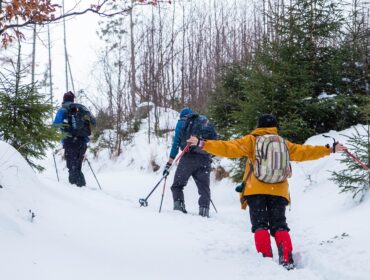
In recent years, solo sports have moved from niche preference to mainstream habit. More people are choosing activities they can do alone, on their own schedule, and at their own pace. Running, cycling, swimming, hiking, skiing, yoga, and strength training are no longer seen as alternatives to team sports. For many, they are the main focus.
This shift did not happen overnight. It reflects deeper changes in how people view time, mental health, and personal goals. February, in particular, plays a surprising role in accelerating this trend. It sits at a crossroads where motivation, weather, and routine intersect in a way that favors solo movement over group participation.
What Are Solo Sports and Why They Appeal
Solo sports are activities that do not rely on teammates, fixed schedules, or coordinated participation. While some can be done socially, they work just as well when practiced alone.
The appeal is simple. Solo sports offer control. You decide when to start, how long to go, and what success looks like. There is no pressure to match someone else’s pace or skill level. Progress feels personal rather than comparative.
For many people, this autonomy reduces friction. It removes common barriers like scheduling conflicts, group coordination, and performance anxiety. The result is consistency, which often matters more than intensity.
The Mental Shift Toward Independence
Modern life has become more fragmented. Work hours stretch beyond traditional boundaries. Social calendars fluctuate week to week. In this environment, committing to fixed team practices can feel restrictive.
Solo training adapt to irregular schedules. A run can happen early morning or late evening. A strength session can fit between meetings. A swim can be as short or long as the day allows.
Beyond logistics, there is a mental shift taking place. Many people now approach fitness as a form of self regulation rather than competition. Movement becomes a way to clear the mind, manage stress, and regain focus. Solo sports support this inward approach.
Why February Is a Turning Point
February occupies a unique position in the calendar. The excitement of January resolutions has faded, but the year still feels open. People begin to reassess what is sustainable rather than what sounded ambitious.
Cold weather plays a role. In many regions, February limits large outdoor gatherings and organized leagues. Shorter daylight hours and unpredictable conditions make group coordination harder. Solo activities feel easier to maintain.
There is also a psychological element. February often brings mental fatigue. The holidays are long gone, spring feels distant, and motivation dips. Solo sports provide a low pressure way to stay active without the added energy required for social commitment.
Fewer Distractions, More Focus
One reason February accelerates solo sports is the lack of external noise. Social events slow down. Travel decreases. Calendars open up.
This quieter period allows people to focus inward. Training becomes less about showing up for others and more about showing up for oneself. The simplicity of solo movement fits naturally into this rhythm.
Athletes often report deeper focus during winter months. Without crowds or busy environments, attention shifts to form, breathing, and pacing. Progress feels steadier and more intentional.
Weather as a Filter, Not a Barrier
Winter weather does not stop movement. It filters it. Team sports that require fields, courts, or large groups become harder to organize. Solo sports adapt more easily.
Running adjusts to layers. Cycling moves indoors. Strength training shifts to home spaces. Swimming continues indoors. Skiing and snowshoeing even depend on winter conditions.
February reinforces adaptability. People learn to work with constraints rather than waiting for perfect conditions. This adaptability strengthens long term commitment.
The Role of Personal Metrics
Solo training rely heavily on personal feedback. Distance, time, repetitions, heart rate, and perceived effort become key markers.
February is often when people stop chasing dramatic results and start tracking realistic progress. Instead of aiming for transformation, they focus on routine.
This shift aligns well with solo sports. Improvement becomes quiet and cumulative. Small wins add up without external validation.
Technology and Solo Training
Technology has supported the rise of solo sports, but February highlights its usefulness. Indoor trainers, fitness apps, wearable trackers, and guided sessions allow people to train alone without feeling disconnected.
Structured plans replace group accountability. Data replaces comparison. Virtual guidance fills the role of a coach without the need for coordination.
This model works especially well in winter when people prefer staying closer to home. Solo does not mean unsupported. It simply means self directed.
Emotional Safety and Confidence
Another factor driving solo sports is emotional safety. Group settings can trigger self consciousness, especially for beginners or those returning after a break.
February brings vulnerability. Energy is lower. Confidence may dip. Solo sports allow people to rebuild strength without judgment.
Progress happens privately. Mistakes feel less exposed. Confidence grows gradually, making long term participation more likely.
The Long Term Impact of February Habits
Habits formed in February tend to last. Unlike January resolutions driven by urgency, February routines are built on realism.
People who maintain solo sports through winter often carry them into spring. By the time group activities resume, solo training is already part of their identity.
This does not replace team sports. It complements them. Many athletes discover they perform better socially after developing independent discipline.
Why This Trend Is Not Going Away
The rise of solo sports reflects lasting changes in lifestyle and mindset. Flexibility, mental health, and personal agency now shape how people approach fitness.
February accelerates the trend because it strips away excess. What remains is movement that fits real life.
As people continue to seek balance rather than intensity, solo sports will remain a core part of modern athletic culture.
Conclusion
Solo sports are not a response to isolation. They are a response to clarity. They offer freedom, focus, and sustainability in a world that often feels crowded and loud.
February, with its quiet pressure and honest limitations, pushes people toward what works. Independent movement becomes not just a fallback option, but a preferred path.
In choosing solo sports, people are not stepping away from connection. They are strengthening their relationship with movement itself.
FAQs
What are examples of popular solo sports?
Running, cycling, swimming, strength training, yoga, hiking, skiing, and indoor cardio are some of the most common solo sports practiced today.
Why do more people choose solo sports in winter?
Winter limits group coordination and outdoor events. Solo sports adapt more easily to weather, schedules, and indoor environments.
Is February really different from January for fitness habits?
Yes. January often focuses on ambition, while February emphasizes sustainability. People adjust goals to what fits their daily lives.
Do solo sports help with mental health?
Many people find solo sports calming and grounding. They allow space for reflection, stress release, and personal focus without social pressure.
Can solo sports replace team sports?
Solo sports do not replace team sports entirely. They often complement them by building consistency, confidence, and independent discipline.