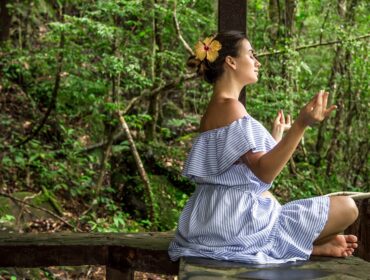
Thanksgiving is often centered around tables — full plates, shared stories, and familiar warmth. But what if this year, gratitude came with open skies instead of ceilings? A “Gratitude Hike” is a mindful way to celebrate Thanksgiving outdoors, combining reflection, movement, and connection. It’s not just about walking; it’s about noticing — nature, breath, and the people or moments that make life full.
Why a Gratitude Hike?
Thanksgiving naturally invites reflection, but modern celebrations can feel rushed or routine. A Gratitude Hike replaces the noise of schedules with the quiet rhythm of footsteps. It helps you slow down and be present — something our minds rarely get to do.
Studies show that walking in nature lowers stress hormones and increases positive emotions. Combine that with intentional gratitude, and you get a double dose of well-being. You return not just refreshed, but grounded.
How to Plan Your Gratitude Hike
You don’t need a grand expedition — just a place that feels calm and inspiring.
1. Choose Your Trail Thoughtfully
Pick a location that suits your group’s energy. A nearby forest preserve, a state park, or even a quiet beach path works. The goal isn’t distance — it’s presence. For families, choose a loop trail with scenic stops. For solo hikers, aim for a trail that feels immersive and peaceful.
2. Pack Light, but with Intention
Bring water, snacks, and layers. Slip a small journal or notepad into your pack — you’ll use it later for reflection. If you’re hiking with others, pack something small to share: a thermos of cider, trail mix, or a handwritten quote on gratitude.
3. Set the Tone Early
Before you start walking, pause. Invite everyone to set an intention — one thing they’re thankful for, or something they want to pay attention to during the hike (sounds, light, companionship, etc.). It’s a simple way to shift from autopilot to awareness.
Mindful Practices Along the Trail
• The Silent Start:
Walk the first 10-15 minutes without talking. Notice your breathing, the crunch of leaves, the rhythm of your steps. Let your senses open before conversation begins.
• The Gratitude Stop:
Choose a scenic point to pause. Everyone can share one thing they’re thankful for — something beyond the obvious. Maybe it’s the warmth of sunlight, a recent challenge that led to growth, or the people beside them. If you’re solo, jot these in your journal or record them as a voice note.
• Nature’s Exchange:
Bring along something biodegradable (like a pinecone wrapped with a short gratitude message written on paper). Leave it respectfully by the trail as a symbolic gesture of giving back.
• The Reflection Moment:
Find a quiet spot near the end of the hike. Sit or stand still for a minute or two. Think of what the hike taught you — patience, connection, calm — and how to carry that feeling home.
Ideas for Families and Groups
For Kids:
Turn it into a scavenger gratitude game — “Find something that makes you smile,” “Find something you’re thankful nature gives us,” or “Find something that reminds you of a person you love.”
For Couples or Friends:
Share memories of the past year’s best and toughest moments. It builds emotional connection while you walk side by side.
For Teams or Communities:
End the hike with a short circle of reflection. Each person can read a gratitude note or leave a wish for the year ahead.
Keeping the Tradition Alive
A Gratitude Hike doesn’t have to be once a year. It can become a seasonal ritual — a mindful walk in spring to welcome growth, in summer to appreciate light, in fall to celebrate change, and in winter to find stillness. Over time, it becomes a gratitude journal written by your footsteps.
What You’ll Take Home
By the time you return from the trail, you’ll notice a subtle shift — the kind that no meal or shopping day can replicate. You’ll have breathed deeply, listened fully, and reconnected with what matters. That’s the true essence of Thanksgiving: presence over plenty.
So, lace up your boots, step outside, and give thanks the natural way. The best table this season might just be the earth beneath your feet.
FAQs: The Gratitude Hike
How do I make the hike more mindful?
Start with a quiet moment before walking. Set an intention for gratitude. During the hike, focus on your senses — the sounds, colors, and textures around you. Pause occasionally to reflect or share what you’re thankful for.
Can families and kids take part?
Definitely. A Gratitude Hike is great for families. For kids, turn it into a game — ask them to find things in nature they appreciate or that make them happy. It helps them connect gratitude with curiosity and play.
What if the weather is bad on Thanksgiving?
You can reschedule the hike for the day before or after, or even take a short “mindful walk” near home. The goal is reflection and thankfulness, not perfection in timing or conditions.
How do I make this an annual tradition?
Choose a meaningful trail and revisit it each year. Take a family photo, write down one gratitude highlight, or collect a small natural keepsake (like a pinecone or leaf) to remind you of the experience. Over time, it becomes a living memory book of gratitude.
Can a Gratitude Hike replace a traditional Thanksgiving meal?
It doesn’t have to — but it can complement it beautifully. Some people hike in the morning to start the day with reflection, then gather for a meal later. Others bring a picnic to the trail for a simple, nature-inspired celebration.