Spring feels like a reset button. Trails thaw, campsites open, and mornings come alive again. You hear it before you see it. That chorus of chirps and calls. These are the sounds of Spring Birds returning, nesting, and claiming their space again.
Picture this. You are hiking just after sunrise. The air is crisp, and the ground is still damp. Suddenly, a flash of color darts past you. You pause, listen carefully, and take a closer look.That moment turns an ordinary walk into something unforgettable.


Bright Feathered Spring Birds Worth Watching


Spring brings a mix of familiar faces and seasonal visitors. Some birds stay year round. Others travel thousands of miles to show up just when the weather turns.
Here are a few you will likely spot on your next outdoor trip:
- American Robin: Often the first sign of spring, hopping across lawns and trails
- Northern Cardinal: Bright red feathers that stand out against fresh green leaves
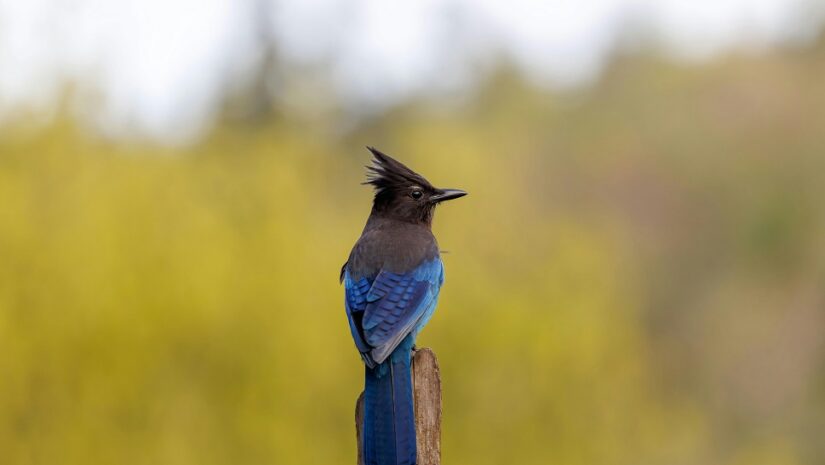
- Blue Jay: Loud, bold, and impossible to ignore once you hear them
- American Goldfinch: Turns bright yellow in spring, almost glowing in sunlight
- Baltimore Oriole: A flash of orange and black, often near open woods and water
Each bird tells you something about the season. Robins mean thawed ground. Orioles hint that warmer days are here to stay.
Birdwatching does not require fancy gear. You just need patience and curiosity. Slow down your pace. Look at tree lines. Watch movement instead of searching for perfection.
Where and How to Spot Spring Birds Outdoors

You do not need to go deep into the wilderness to find Spring Birds. They are everywhere once you start noticing.
Trails, lakes, and even your backyard can turn into birdwatching spots. Timing and awareness matter more than distance.
- Early mornings are your best bet. Birds are most active right after sunrise
- Look near water. Lakes, rivers, and wetlands attract a wide range of species
- Stay quiet. Sudden movement or noise will send birds flying
- Watch for motion. A flicker of wings often reveals more than a direct search
- Use simple binoculars. They make a huge difference without adding bulk
Sometimes, the best sightings happen when you least expect them.
The more you slow down, the more you begin to notice. Birds were always there. You just started paying attention.
That shift changes everything. A regular hike turns into a treasure hunt. Every sound feels like a clue. Every branch could hold a surprise.
Spring birdwatching also connects you to the rhythm of nature. Migration patterns, nesting habits, and feeding routines all unfold around you.
You start recognizing bird calls and remembering their colors. Soon, you even anticipate where they might appear next.
And yes, you will miss a few. That is part of the fun.
Why Spring Birdwatching Makes Every Trip Better

There is something different about spotting spring birds while outdoors. It adds a layer of discovery to your trip.
You are not just walking anymore. You begin to observe and connect with your surroundings in a deeper way.
Birdwatching slows your pace in a refreshing way. You take breaks without reaching for your phone, listen more closely, and start noticing the small details around you.
It works for everyone:
- Solo hikers who enjoy quiet moments
- Families looking to keep kids engaged outdoors
- Campers who wake up early and want something simple to do
- Travelers exploring new trails and landscapes
Spring birds also make great photo subjects. Bright colors, soft light, and active movement create perfect moments.
You do not need to be an expert. Just start noticing what is around you.
Small Tips That Make a Big Difference

A few simple habits can turn casual sightings into memorable experiences.
- Dress in neutral colors to blend into your surroundings
- Move slowly and pause often
- Listen before you look
- Carry a small notebook or use your phone to note sightings
- Learn one or two bird calls to start recognizing patterns
You will improve quickly without even trying too hard.
Spring is short. Birds move fast. That makes every sighting feel a little more special.

Frequently Asked Questions
What are the easiest Spring Birds to spot for beginners?
American robins and cardinals are great starting points. They are common and easy to recognize.
Do I need expensive gear for birdwatching?
Not at all. Basic binoculars and patience are more than enough to get started.
What time of day is best to see Spring Birds?
Early morning works best. Birds are most active during the first few hours after sunrise.
Can I spot Spring Birds while camping?
Yes, campsites near trees or water often attract a wide range of birds.
How can I identify birds quickly?
Focus on color, size, and behavior. Apps and field guides can help you learn faster.
Are Spring Birds different every year?
Some patterns stay the same, but weather can affect timing and migration slightly.