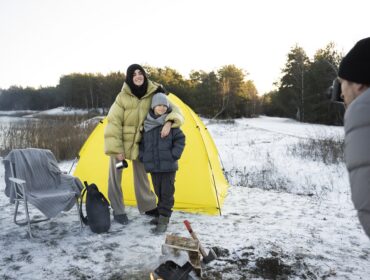
Cold weather camping offers a quiet, rewarding experience that feels completely different from warmer season trips. Snow covered landscapes, crisp air, and fewer crowds create a sense of solitude that many outdoor enthusiasts seek. At the same time, camping in freezing conditions demands careful planning, especially when it comes to shelter. Your shelter essentials are the foundation of safety, warmth, and rest in cold environments. Without the right setup, even well planned trips can become uncomfortable or unsafe.
This guide covers the most important shelter essentials for cold weather camping. From tent design and insulation to site selection and snow management, each section focuses on features and practices that help you stay warm, dry, and secure through winter nights.
Choosing the Right Tent for Cold Conditions
A reliable tent is the core of any cold weather shelter system. In winter conditions, tent choice matters more than almost any other piece of gear.
Four season tents are built for snow, wind, and freezing temperatures. They feature stronger poles, steeper walls that shed snow, and fabric that blocks cold air more effectively. These tents are designed to remain stable during snowfall and high winds, making them a dependable option for harsh conditions.
Some campers choose sturdy three season tents paired with additional wind protection in mild winter conditions. This can work in calmer weather, but it requires careful site selection and added insulation. When conditions are unpredictable, a winter rated tent offers greater peace of mind.
Managing Wind Exposure and Weather Protection
Wind is one of the biggest challenges in cold weather camping. It increases heat loss and places stress on shelter structures.
A cold weather shelter should include features that block wind from all sides. Full coverage rainflies, low profile designs, and reinforced guy out points help reduce drafts. Snow skirts or extended fly edges add extra protection by sealing gaps between the tent and the ground.
Proper staking is essential. In snow, standard stakes may not hold well. Snow stakes, buried deadman anchors, or packed snow anchors create a stronger hold that prevents shifting overnight.
Insulation Between You and the Ground
Ground insulation is just as important as overhead shelter. Cold ground pulls heat away from your body faster than cold air.
A winter camping shelter system should include insulated sleeping pads with high thermal ratings. Many campers use a layered approach, placing a closed cell foam pad under an inflatable insulated pad. This combination improves warmth and adds backup insulation if one layer fails.
Inside the shelter, reflective or insulated footprints can help reduce heat loss. Keeping sleeping areas dry and protected from snow melt also improves warmth throughout the night.
Snow Load and Structural Strength
Snow accumulation can place serious strain on shelters. A tent designed for cold weather should handle snow load without sagging or collapsing.
Steep tent walls allow snow to slide off instead of building up. Strong pole structures and reinforced corners help maintain shape during overnight snowfall. Campers should also clear snow from the tent periodically during heavy storms to reduce stress on the structure.
Tarp shelters used in winter must be pitched with proper angles and tension. A loose setup can collect snow, while a tight pitch sheds it more effectively.
Ventilation to Control Condensation
Condensation is a common issue in cold weather shelters. Warm breath meets cold fabric, forming moisture that can freeze and reduce comfort.
Good ventilation helps manage condensation without letting cold air rush in. Adjustable vents near the top of the shelter allow moisture to escape. Dual door designs also improve airflow control.
Keeping wet gear outside the sleeping area reduces internal moisture. Many winter tents include vestibules that provide space for boots and packs while keeping the interior drier and warmer.
Shelter Location and Campsite Selection
Where you place your shelter matters as much as the shelter itself. Site selection plays a major role in warmth and safety.
Look for natural wind breaks such as trees, ridges, or snowbanks. Avoid valley bottoms where cold air settles overnight. Slightly elevated ground often offers better airflow and reduced frost buildup.
When camping on snow, pack down the surface before setting up your shelter. A firm base prevents sinking and helps stakes or anchors hold securely. Allow packed snow to harden for a short time before pitching the tent.
Hot Tents and Stove Compatible Shelters
Some cold weather campers choose hot tents that allow the use of portable stoves. These shelters provide a unique level of warmth and comfort in freezing conditions.
Hot tents are made with heat resistant materials and include stove jack openings. When used correctly, they allow controlled heat inside the shelter, making long winter nights more manageable.
Stove use requires proper ventilation and safe placement. Always follow manufacturer guidelines and monitor airflow closely to avoid smoke buildup. Hot tents are heavier and require more setup time, but they offer benefits for extended winter trips.
Tarp Shelters for Minimalist Winter Camping
Tarps can be used as winter shelters with the right setup and experience. They offer flexibility and lightweight packing but require skill and awareness.
In cold weather, tarp shelters should be pitched low to block wind. Snow walls can be built around the perimeter to improve insulation. A groundsheet and proper sleeping system are essential when using a tarp in winter.
Tarps work best in stable weather conditions. For exposed or storm prone areas, a fully enclosed shelter offers better protection.
Additional Shelter Accessories That Matter
Small accessories play a big role in cold weather shelter essentials. Repair kits allow quick fixes to fabric or poles damaged by cold stress. Extra guylines provide more anchoring options in snow.
Snow shovels are useful for site preparation and building wind breaks. Headlamps with cold resistant batteries make nighttime adjustments easier.
Inside the shelter, insulated seat pads and storage pockets help maintain comfort and organization during long winter evenings.
Setup Techniques for Freezing Temperatures
Cold temperatures affect dexterity and material flexibility. Practice shelter setup at home before winter trips to avoid difficulties in the field.
Wear gloves that allow fine movement during setup. Pre attach guylines and organize stakes to save time. Keep shelter essentials accessible in your pack so setup is quick and efficient upon arrival.
A fast, efficient setup reduces heat loss and helps conserve energy in cold environments.
Durability and Material Performance in Cold
Cold weather places extra stress on shelter materials. Fabrics should remain flexible without cracking. Poles must handle cold without becoming brittle.
Zippers, buckles, and tension adjusters should operate smoothly with gloves on. Choosing shelters designed for winter conditions improves reliability and reduces the risk of failure when temperatures drop.
Final Thoughts on Cold Weather Camping Shelters
A dependable shelter is the foundation of safe and comfortable cold weather camping. From tent design and insulation to site selection and ventilation, every detail matters when temperatures fall below freezing. Wind protection, snow load management, and ground insulation work together to create a secure environment for rest and recovery.
By focusing on shelter essentials designed for winter use, campers can enjoy cold weather landscapes with confidence. A well planned shelter setup allows you to rest well, conserve energy, and fully experience the quiet beauty of winter camping.
Frequently Asked Questions
What type of tent is best for cold weather camping
Four season tents are best because they handle snow load, block wind, and remain stable in freezing conditions.
Can I use a three season tent in winter
Yes, in mild conditions with careful site selection and added insulation, but it offers less protection than a winter tent.
How do I keep my shelter warm at night
Use proper ground insulation, layered sleeping systems, wind protection, and manage moisture through ventilation.
Is ventilation really necessary in cold weather
Yes. Ventilation reduces condensation, which can lead to moisture buildup and reduced warmth.
What is the safest way to anchor a tent in snow
Use snow stakes, buried anchors, or packed snow deadman anchors for a secure hold.
How do I choose a campsite in snow
Look for wind protected areas, avoid low spots, and pack down snow before setting up.