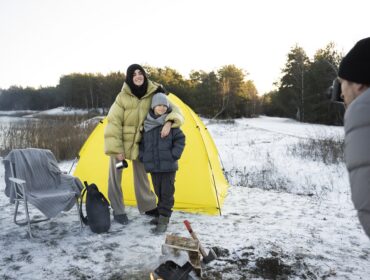
The open road doesn’t close when the temperature drops — it just changes character. Nomad November might signal hibernation for some travelers, but for the vanlife community, it’s a time for peace, solitude, and discovery. Frosted forests, quiet campgrounds, and crisp sunrises paint the perfect backdrop for those who crave freedom year-round. But with beauty comes challenge — staying warm, managing energy, and keeping morale high through long, cold nights takes skill, preparation, and the right mindset.
We spoke with experienced vanlifers who’ve embraced the chill and learned how to thrive in cold-weather conditions. Their advice proves that with the right setup and habits, Nomad November can be one of the best months to live life on wheels.
1. Insulation Is Your First Defense
Cold weather in a van hits differently. The metal walls that make van conversions durable also conduct cold quickly. That’s why insulation isn’t just a comfort upgrade — it’s a survival essential.
Most vanlifers recommend using foam board or sheep’s wool insulation, which balances thermal protection with breathability. Wool naturally regulates humidity, helping prevent condensation buildup — one of the biggest winter vanlife headaches. Reflective window covers also make a huge difference by keeping warmth inside and cold drafts out.
Veteran nomads suggest paying special attention to the floor and wheel wells, which tend to leak heat fast. A thick rug or cork underlayment can add warmth underfoot while reducing noise from the road.
Pro tip: Insulate before it’s too late. Retrofitting in freezing temps is miserable — plan upgrades in fall to stay cozy when Nomad November rolls in.
2. Heat Smart, Not Hard
A heater might be the first thing that comes to mind when temperatures drop, but efficiency matters more than raw heat output. Vanlifers generally rely on one of three heating solutions: diesel heaters, propane heaters, or electric systems.
Diesel heaters (like Webasto or Planar models) are compact, efficient, and integrate well with your van’s fuel tank. They provide dry, steady heat ideal for long-term living.
Propane heaters offer quick warmth but require careful ventilation to avoid moisture buildup and carbon monoxide risks.
Electric heaters work only if you have a large battery bank or consistent shore power — perfect for part-time travelers parked at campgrounds.
Whichever option you choose, make sure to install carbon monoxide and smoke detectors. Even well-maintained systems can fail, and safety should never take a back seat.
Vanlifer tip: Use an insulated curtain behind the driver’s seat to separate the cab from the living area. It traps heat where you need it and reduces fuel use.
3. Manage Moisture Like a Pro
Cold air may be dry, but condensation inside a van builds fast when you’re cooking, sleeping, or even breathing. If ignored, it can lead to mold, rust, and damp bedding — not exactly cozy.
The secret? Airflow. Open a roof vent slightly, even on cold nights, to let moisture escape. Pair that with an electric dehumidifier or moisture-absorbing crystals for extra protection. Cooking on low heat and using lids helps too.
One vanlifer we spoke to described moisture control as “the difference between a warm van and a wet cave.” Keep ventilation running, wipe down windows in the morning, and never underestimate how much humidity humans create.
4. Power Management in Shorter Days
Nomad November means shorter days and weaker sunlight — a challenge for solar-powered nomads. That’s why most full-timers supplement their energy with portable power stations or dual battery systems charged by the alternator while driving.
If your setup relies heavily on solar, tilt panels toward the sun’s lower winter angle for maximum efficiency. Use LED lighting to minimize power draw, and charge devices while driving rather than idling.
Energy-saving habits:
-
Turn off the inverter when not in use.
-
Swap laptops for tablets when possible.
-
Use 12V electric blankets or heating pads instead of running a space heater overnight.
Efficient energy use means more time parked in peace — and less stress about finding your next plug-in point.
5. Water, Freezing, and Hygiene
Water systems are tricky in freezing weather. If your van’s water tank or plumbing sits outside the insulated living space, it’s vulnerable to freezing overnight. Many vanlifers bypass complex plumbing altogether in winter, switching to portable water jugs that can be stored inside the warm cabin.
For those with built-in systems, tank heaters or heat tape can protect pipes from freezing. Just remember that these draw power — plan your energy budget carefully.
When it comes to hygiene, many winter nomads rely on gym memberships, portable showers, or heated water bottles for sponge baths. Some even install compact propane water heaters for quick, efficient showers inside the van.
Vanlifer wisdom: “Stay clean, stay warm. If you’re skipping showers, at least change into dry clothes every night — it keeps your body heat steady.”
6. Cooking Warm Meals Efficiently
Cold weather burns calories fast, so warm meals are your best defense. Most vanlifers swear by dual-fuel stoves or butane burners for quick, efficient cooking. Soups, stews, and oatmeal not only warm you up but also add humidity, which helps combat dry air.
A small thermal cooker can also save fuel — heat ingredients in the morning, seal them in, and return to a ready meal later in the day. Don’t forget to crack a window slightly when cooking to manage condensation and odors.
Bonus hack: Use your cooking pot as a mini heater — after dinner, let the hot water sit uncovered for a bit to release warmth and moisture into the van.
7. Dress in Layers — Even Indoors
When living in a van, you’ll experience frequent temperature swings. Dressing in layers helps regulate body heat without over-relying on your heater. Base layers made of merino wool or synthetic blends wick away moisture and keep you dry, while mid-layers like fleece trap warmth.
Keep a beanie, thermal socks, and insulated slippers within reach — you’ll thank yourself during early morning coffee routines.
And remember: sleeping bags aren’t just for camping. Many vanlifers prefer a high-quality sleeping bag over traditional bedding for better insulation during sub-freezing nights.
8. Pick Campsites Strategically
Cold air pools in valleys and low-lying areas, making them colder than nearby ridges. When possible, camp slightly higher to stay warmer overnight. Use apps like iOverlander or Campendium to find sheltered, wind-protected spots — trees or rock faces can act as natural windbreaks.
South-facing sites get more sunlight during the day, which helps naturally warm your van. Just make sure to park with your windshield facing east for a gentle morning wake-up from the sun.
Pro insight: Avoid parking near rivers or lakes in freezing weather. The added humidity can make mornings damp and frost-heavy.
9. Keep Spirits High During Long Nights
Vanlife in Nomad November isn’t all about logistics — it’s also about mindset. With long nights and cold mornings, cabin fever can creep in fast. Create a cozy environment with warm lighting, good music, and daily routines.
Plan small adventures during daylight — hikes, local markets, photography outings — and use evenings for reading, journaling, or learning new skills online. Staying mentally active keeps your energy up, even when daylight fades early.
Vanlifer quote: “Winter travel slows you down, but that’s the gift. You learn to enjoy the quiet and appreciate every sunrise.”
10. Gear That Makes a Difference
Here’s what experienced vanlifers say they won’t travel without in Nomad November:
-
Portable heater (diesel or propane)
-
Insulated window covers
-
12V electric blanket
-
Thermal mug & cookware
-
Headlamp and LED lanterns
-
Carbon monoxide detector
-
Compact power station
-
Moisture absorber packs
If you’re just starting your cold-weather journey, investing in a few of these essentials can transform your experience from tolerable to comfortable.
Conclusion: The Beauty of the Quiet Season
Nomad November isn’t just another month on the road — it’s a mood. It’s quiet campgrounds, misty mornings, and time to reconnect with simplicity. While winter vanlife comes with challenges, those who embrace it find rewards that warm from the inside out: self-reliance, peace, and the satisfaction of thriving when most stay home.
So, if you’ve been thinking about taking your van out this November, don’t wait for spring. Bundle up, plan smart, and join the quiet side of the open road — where bare trees frame big views, and freedom feels sharper in the cold.