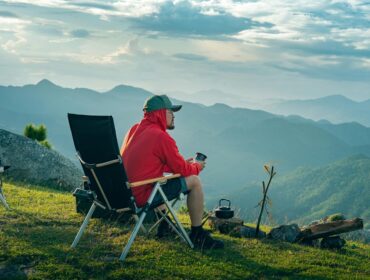
Cooking outdoors feels different from cooking at home. There’s the smell of pine in the air, the crackle of the fire, and the freedom of being surrounded by nature. But to enjoy it fully, you need the right tools. Camp cooking isn’t about bringing your entire kitchen with you—it’s about choosing the essentials that are portable, reliable, and built for the outdoors.
In this guide, we’ll cover five must-have camp kitchen accessories that make cooking at camp easier and more enjoyable. Whether you’re heading out for a weekend trip or a weeklong adventure, these essentials will keep your meals simple, tasty, and stress-free.
1. Portable Camp Stove
A camp stove is the heart of any outdoor kitchen. While a campfire has charm, it isn’t always practical. Some parks have fire bans during dry months, and sometimes you just need a quick meal without waiting for wood to burn down. That’s where a portable stove comes in.
-
Types of Stoves:
-
Single-burner stoves: Compact and lightweight—perfect for solo trips or minimalist campers.
-
Two-burner stoves: More versatile, allowing you to boil pasta on one side and sauté veggies on the other.
-
Backpacking stoves: Ultralight, small enough to fit in your pocket, great for fast-and-light trips.
-
-
Fuel Options: Propane and butane canisters are the most common. Both are easy to use, but propane works better in cold weather.
-
What to Look For: Adjustable flame control, wind resistance, and stability. You don’t want your pot tipping over on uneven ground.
Scenario: Picture this—you come back from a long hike at dusk. You’re tired, hungry, and the firewood is damp. With a reliable stove, you’ll have boiling water in minutes for pasta, soup, or hot cocoa.
2. Nesting Cookware Set
You don’t need a full kitchen cabinet when camping. A good cookware set saves space while giving you all the basics. Nesting cookware is especially useful because pots, pans, and lids stack neatly together.
-
Materials:
-
Aluminum: Lightweight and budget-friendly but prone to denting.
-
Stainless steel: Durable, resists scratches, but a bit heavier.
-
Titanium: Ultralight, strong, and built for serious backpackers (though more expensive).
-
-
Key Features: Nonstick surfaces for easy cleanup, heat-resistant handles, and lids that double as strainers.
-
Accessories: Many sets also come with bowls, plates, or mugs that fit inside the pot. Some even include measuring lines, which help when making rice, oats, or pasta.
Scenario: Imagine cooking chili on a cool evening. You’ve got a lightweight pot simmering away on the stove, and cleanup afterward takes less than two minutes because of the nonstick finish. That’s the beauty of a solid cookware set.
3. Utensil Kit
You wouldn’t try to cook at home without utensils, so why should camp be any different? A utensil kit is one of the most overlooked but essential parts of a camp kitchen.
-
Basics to Include:
-
Tongs for flipping hot dogs or grabbing food from boiling water.
-
A spatula for pancakes or grilled cheese.
-
A ladle for soups and stews.
-
A sharp knife for chopping veggies, slicing cheese, or cutting fruit.
-
-
Camp-Friendly Extras: Compact cutting boards, can openers, and even collapsible scissors. Many camping utensil kits roll up like a tool bag for easy storage.
-
Durability: Choose stainless steel or heat-resistant nylon. Skip cheap plastic utensils that can melt or snap.
Scenario: It’s breakfast time. You’re flipping pancakes on the skillet, bacon is sizzling, and someone just poured coffee. Without proper utensils, that meal quickly turns into chaos. With them, it’s a smooth and satisfying start to the day.
4. Cooler or Insulated Food Storage
A cooler isn’t just for cold drinks—it’s about food safety. If you’re camping for more than one day, keeping perishable items fresh is a must. A good cooler also saves you money by letting you bring fresh food instead of relying on pricey packaged meals.
-
Types of Coolers:
-
Soft-sided coolers: Lightweight, easy to carry, great for short trips.
-
Hard-sided coolers: Sturdy, better insulation, and often bear-resistant for backcountry camping.
-
High-performance coolers: Rotomolded with thick walls that keep ice for up to a week.
-
-
Tips for Longer Ice Life: Pre-chill your cooler before packing, use block ice instead of cubes, and keep it in the shade.
-
Alternative: If you’re backpacking, an insulated food bag is lighter and still helps keep meals safe.
Scenario: You’re grilling burgers by the fire, and you reach into the cooler for fresh lettuce and cheese. Hours later, the ice is still solid, and everything tastes as fresh as when you packed it. That’s the difference between a cheap cooler and a good one.
5. Coffee Maker or Kettle
For many campers, mornings don’t begin without coffee. A coffee maker or kettle is one of those accessories you’ll never regret packing.
-
Options for Coffee Lovers:
-
Percolator: Classic, durable, and great for brewing for groups.
-
French press: Produces rich coffee, but requires careful cleaning.
-
Pour-over cones: Lightweight and simple—perfect for minimalists.
-
Collapsible silicone drippers: Space-saving and surprisingly effective.
-
-
Kettle Uses: A lightweight kettle isn’t just for coffee or tea. It boils water for oatmeal, instant noodles, or even sterilizing water in emergencies.
Scenario: The sun rises over the campsite. You light your stove, heat up water, and brew a steaming cup of coffee. It’s simple, it’s comforting, and it’s one of the best camping rituals you can have.
Extra Accessories Worth Considering
While the five essentials above cover most situations, here are a few extras that make camp cooking even better:
-
Collapsible sink for washing dishes.
-
Biodegradable soap for eco-friendly cleaning.
-
Spice kit to add flavor without bulk.
-
Lightweight dishware for serving meals.
Final Thoughts
Camp cooking doesn’t have to be complicated. With a portable stove, nesting cookware, a reliable utensil kit, a cooler, and a coffee maker, you’ll have everything you need for enjoyable meals outdoors. These five must-have camp kitchen accessories cover the basics while keeping things simple, compact, and functional.
Invest in quality gear once, and it’ll serve you for years of adventures. Next time you’re planning a camping trip, pack these essentials and look forward to meals that are as memorable as the views.
FAQs: Camp Kitchen Accessories
Can I just cook over a campfire instead of bringing a stove?
Yes, but a stove gives you more control, especially during fire bans or wet weather.
How do I clean cookware at camp?
Use biodegradable soap and a small sponge. A collapsible sink or even a shallow bin works well.
How do I keep my cooler cold longer?
Pre-chill it, use block ice, and limit how often you open it.
Is a percolator better than a French press for camping?
It depends. A percolator is sturdier and good for groups, while a French press offers richer flavor but takes more effort to clean.
What’s the one accessory I shouldn’t skip?
A stove. It’s reliable, fast, and makes cooking much easier than depending only on a fire.