 As researchers strive to learn more about our environment and the creatures within, the risks they face, and how to manage it all in a sustainable manner, the need for creative, non-harmful techniques is paramount. One of the best methods of data collection when it comes to studying animal species is by collecting their scat, or feces.
Extracting the DNA from these samples gives scientists a wealth of information about the animal from which it came, including its age, sex, reproductive status, diet, overall health, and environmental factors that affect its life. A mound of bear scat may not be too hard to find on a walkabout in the forest, but locating samples for smaller animals proved to be a significant challenge.
To address this problem, the University of Washington has implemented an ingenious method that benefits everyone involved: Conservation Canines.
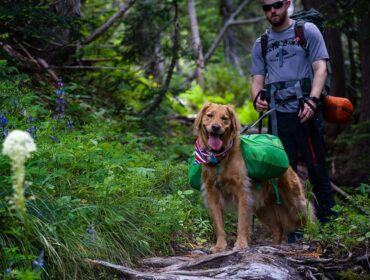
Introduced in 1997 by Dr. Samuel Wasser, Director of the Center for Conservation Biology at UW, the Conservation Canine program has been nothing but a success. Working with a master canine trainer from the state’s Department of Corrections, Dr. Wasser was able to modify narcotics detection methods to instead sniff out the scat of threatened and endangered species. The canine “researchers” are typically high-energy types that are rescued from shelters and possible euthanization.
Their dynamic personalities, coupled with seemingly infinite stores of energy, make them perfect candidates for spending long days in the field seeking out animal scat in places all over the globe, and in return, the dogs get what they need most: love, attention, and plenty of activity. The Conservation Canine program provides an invaluable service to these dogs, the scientists, and the species they are trying to save. Check out this awesome video that gives you an inside look at the incredible work of Conservation Canines.
Image via Center for Conservation Biology