Introduction
Cold January days often make outdoor workouts less appealing. Short daylight hours, lower temperatures, and unpredictable weather can interrupt even the most motivated fitness plans. This is where indoor sports become essential. They allow you to stay active, maintain routine, and continue working toward fitness goals without relying on outdoor conditions.
Indoor sports are not just a winter backup. Many athletes use them to improve strength, coordination, and endurance in a controlled environment. January is an ideal time to explore indoor activities that support movement without seasonal disruption.
This guide highlights indoor sports that keep fitness consistent during winter while supporting long term health and performance.
Indoor Basketball
Indoor basketball delivers a full body workout that combines cardio, agility, and coordination. Quick direction changes improve balance and footwork, while continuous movement builds endurance.
January is a great time to focus on skill drills, shooting practice, or small group games. Indoor courts offer consistent surfaces that reduce weather related risk.
Even short sessions keep heart rate elevated and support calorie burn while making workouts feel engaging rather than repetitive.
Indoor Badminton
Badminton is a fast paced indoor sport that improves reaction time and coordination. Short bursts of movement challenge agility while keeping joint impact manageable.
The sport encourages lateral movement, balance, and upper body control. January badminton sessions help maintain speed and responsiveness during winter months.
Badminton also works well for all fitness levels, making it easy to start and sustain consistently.
Table Tennis
Table tennis may look light, but it demands sharp focus and quick reflexes. Indoor play improves hand eye coordination, timing, and mental alertness.
Movement patterns remain controlled, making it suitable for recovery days or lower intensity sessions. The fast pace keeps workouts engaging while placing minimal strain on joints.
January is a good time to use table tennis as an active break or skill focused indoor sport.
Indoor Swimming
Indoor swimming provides one of the most effective full body workouts available. Water supports body weight, reducing joint stress while allowing continuous movement.
Swimming improves cardiovascular endurance, muscular coordination, and breathing control. Heated indoor pools make January sessions comfortable and consistent.
Even moderate swimming sessions support recovery and strength without excessive fatigue.
Indoor Volleyball
Indoor volleyball combines power, agility, and teamwork. Jumping, reaching, and lateral movement build strength and coordination.
January volleyball sessions often focus on drills, positioning, and controlled play. Indoor courts offer stable conditions that support skill development.
This sport keeps workouts dynamic while improving reaction time and balance.
Indoor Rock Climbing
Indoor climbing gyms offer a challenging yet controlled environment. Climbing builds upper body strength, grip endurance, and core stability.
Movement remains deliberate and controlled, making it joint friendly when performed with proper technique. Climbers also develop problem solving skills as they navigate routes.
January is an excellent time to build foundational climbing strength indoors before outdoor seasons begin.
Martial Arts and Combat Sports
Indoor martial arts training improves coordination, balance, and discipline. Controlled movements focus on technique, flexibility, and strength.
January classes often emphasize fundamentals, making it easier for beginners to start. Training indoors supports consistency and focus.
These sports also build mental resilience and body awareness alongside physical fitness.
Indoor Yoga and Stretch Based Sports
Yoga supports flexibility, posture, and controlled strength through slow and steady movement. Practicing indoors during January helps maintain mobility while reducing muscle stiffness caused by cold weather.
Indoor sessions allow focus on breathing, balance, and alignment. Yoga pairs well with other indoor sports to support recovery and injury prevention.
Regular practice improves movement quality across all activities.
Indoor Fitness Classes and Group Sports
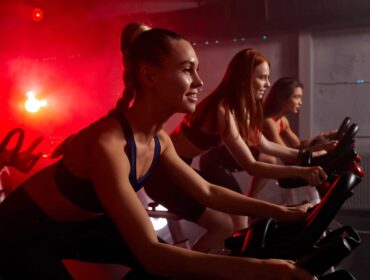
Group fitness classes like indoor cycling, circuit training, or dance based workouts provide structured sessions that boost motivation.
January classes help establish routine and accountability. Music, guided instruction, and group energy make workouts enjoyable even during winter.
These activities support cardiovascular fitness while keeping movement varied and engaging.
Why Indoor Sports Work in January
Indoor sports remove weather barriers. Controlled environments allow consistent training schedules and focused effort.
January is a time when routine matters more than intensity. Indoor sports support regular movement without interruption, helping habits settle naturally.
They also offer variety, which helps maintain motivation during colder months.
Final Thoughts
Cold January days do not need to slow down fitness progress. Indoor sports provide reliable ways to stay active, build strength, and maintain energy.
Whether through swimming, basketball, climbing, or yoga, indoor activities keep movement consistent and enjoyable. Starting the year with indoor sports builds a strong foundation for months ahead.
Consistency is easier when conditions are controlled. Indoor sports make that consistency achievable.
FAQs
Are indoor sports effective for staying fit in winter?
Yes, indoor sports support cardiovascular health, strength, and coordination while allowing consistent training regardless of weather.
Which indoor sport is best for beginners?
Swimming, yoga, and table tennis are beginner friendly options that allow gradual progress and controlled movement.
How often should indoor sports be done in January?
Three to five sessions per week works well, depending on intensity and recovery needs.
Do indoor sports replace outdoor workouts completely?
They can during winter months. Many people combine indoor sports with light outdoor activity when weather allows.
Are indoor sports good for long term fitness goals?
Yes, indoor sports build habits, maintain fitness, and support skill development that carries into warmer seasons.