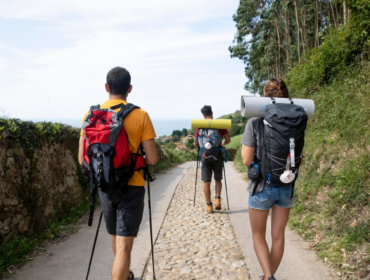
If you’ve ever scrambled up a rocky trail or descended a steep slope and felt your knees complain about it later, you’ve probably already considered trekking poles. And if you haven’t? You should. Choosing the right pair of hiking poles can seriously change how you move on the trail—less strain, more balance, and better energy use with every step.
But picking the right set isn’t as easy as grabbing the first pair you see on sale. Different poles serve different hikers. And the one that works for your tall friend who hikes in the Rockies may not feel right for your weekend trails in Vermont. Whether you’re hiking flat ground, taking on elevation, or prepping for a thru-hike, the gear in your hands matters just as much as the boots on your feet.
This guide will walk you through everything—how to size them, what materials to look for, and how to figure out which type fits your kind of hiking. Let’s break it all down so you can choose the best poles for your next adventure.
What Trekking Poles Actually Do
You don’t need trekking poles to hike—but once you use them, you’ll probably never want to go without. The benefit shows up fast, especially on uneven terrain. They help you stay stable on loose gravel, shift weight off your knees during descents, and keep your rhythm on flat, fast-moving trails.
They also help with balance when you’re crossing creeks, hopping logs, or carrying a heavy pack. Your legs and lower back do less work, and over time, that adds up. Think of them as an extra set of limbs—ones that help push you uphill and stop you from slipping on the way back down.
And don’t underestimate how much of a difference proper hiking poles can make on longer hikes. They help prevent fatigue, improve posture, and in some cases, reduce the impact on joints by as much as 25 percent. Not bad for something that weighs a pound or less per pole.
Trekking Pole Sizing: The Most Overlooked Step
A lot of first-timers grab poles that look cool without checking if they actually fit. That’s like buying running shoes based on color. Trekking pole sizing affects how you move and how effective your poles feel while you’re hiking.
Here’s the basic rule: when the pole tip touches the ground, your elbow should be at a 90-degree angle. Taller hikers usually need poles that extend past 130 centimeters. Shorter hikers should look for options that shrink to 100 centimeters or below. If you’re unsure, go with adjustable poles—that way, you can dial in the length depending on the trail or your pack weight.
And don’t forget the terrain. Going uphill? You’ll want shorter poles. Going downhill? Extend them. That flexibility matters, especially on long hikes with changing elevation. A proper fit can mean the difference between feeling supported and feeling annoyed the whole way up.
The Best Types of Hiking Poles (And What You Actually Need)
Let’s talk materials and types—because yes, that aluminum pole at the outdoor shop and the carbon fiber one in your friend’s garage aren’t the same.
Aluminum poles are durable and budget-friendly. They bend under pressure but rarely break. If you’re rough on gear or hike with a big pack, aluminum might be your best bet. Carbon fiber poles are lighter and absorb vibration better, which your wrists and elbows will thank you for—but they’re more expensive and can crack under force.
Then you’ve got adjustable versus fixed-length poles. Adjustable poles work for most people, especially hikers who tackle mixed terrain. Foldable (or Z-style) poles are ultra-packable and great for travel or fast hikers who like to stash them quickly.
Planning to snowshoe or hike in winter? Look for poles with interchangeable baskets and a solid locking mechanism. For everyday three-season hiking, a lightweight adjustable pair with comfortable grips will probably be your sweet spot.
The Best Trekking Poles for Different Kinds of Hikers
You don’t need the most expensive poles. You just need the best trekking poles for your style of hiking. Budget hikers can find solid aluminum models with cork grips and strong locks for under sixty dollars. Ultralight backpackers may want to invest in carbon fiber poles that fold down small and shave off extra ounces.
Women-specific poles usually come with smaller grips, shorter max lengths, and lighter weights to match the average frame and hand size. These small tweaks can make a big difference in comfort over long days. You’ll also find poles with features like wrist straps, shock-absorbing tips, and angled grips to reduce joint strain.
The best pair isn’t the one with the most features—it’s the one that feels best when you use it. Try a few models if you can. Walk around with them. Adjust them. Find the one that makes your hiking feel smoother, not harder.
Hiking Poles vs. Hiking Sticks: What’s the Difference?
If you’re wondering whether hiking sticks and trekking poles are different, the answer is… kind of. Some people use the terms interchangeably, but usually hiking sticks refer to a single walking aid, while hiking poles come in pairs.
Trekking poles offer better balance, rhythm, and joint relief than a single stick. They distribute weight more evenly, support your posture, and let you hike longer with less fatigue. Hiking sticks can still help, especially for short trails or casual walks, but poles do more for your whole body.
If you’re new to the game, start with two poles. You’ll feel the difference almost immediately.
5 Trekking Poles Worth Packing
There are a lot of trekking poles out there. Some cost more than your boots. Some barely survive a weekend. Here are five solid picks that deliver on comfort, durability, and trail-tested performance—no fluff, just gear that works.
1. LEKI Cross Trail 3TA Trekking Poles

These poles balance comfort and performance for hikers who want strong support without sacrificing ease of use. The handle combines the control of a trail running grip with the power of a trekking pole. It feels natural, especially when you move fast on uneven ground. The mesh strap gives wrist support but doesn’t rub or trap sweat.
The aluminum shaft holds up well on long hikes and rocky terrain. You can quickly adjust the length with the Speed Lock+ system. That makes it easy to tweak on the go. It feels light enough to carry all day but still offers stability where it counts. If you hike fast and steady, these poles work with your pace—not against it.
2. Yukon Charlie’s Carbon Lite Flipout Adjustable Trekking Poles

These poles use carbon fiber to cut weight without losing strength. That means less arm fatigue, especially on longer hikes. They collapse down small, so you can pack them easily or stash them on your backpack. When extended, they feel solid and stable even on tough climbs or descents.
The Fast Lock system helps adjust the poles quickly. No twisting or fussing—just flip, set, and go. You can shift from 65 to 135 centimeters, which works for most heights and trail types. If you want something light, compact, and simple to use, these are a smart option for both day hikes and multi-day trips.
3. Black Diamond Distance Carbon Z Trekking Poles

These are the ultralight choice for hikers who count every ounce. The carbon fiber shaft is strong but nearly weightless. You’ll notice the difference during long, steady climbs or trail runs. They fold down into three sections and deploy fast with a speed-cone design.
The foam grip is soft, with wrist straps that stay breathable even in hot conditions. Interchangeable tips help with grip across dirt, rock, or snow. These poles don’t adjust in length, but they do make up for it in speed and simplicity. They work best for hikers who value weight, packability, and fast transitions on the trail.
4. Leki Wanderfreund High Fives Single Staff Trekking Poles

This pole is more like a hiking staff than a traditional pair of poles. It’s great for walkers, travelers, or hikers who prefer single-point support. The grip is ergonomic, shaped to fit your hand naturally. It helps you stay steady without feeling awkward or stiff.
You can adjust the length easily using the Speed Lock+ system. The pole is made of strong aluminum and includes both a rubber walking tip and a carbide tip underneath. Whether you’re walking around town or heading out on a mellow trail, this staff offers reliable balance and support in one hand.
5. Komperdell Ridgehiker Cork Powerlock Trekking Poles

These poles bring comfort and control with cork grips that mold to your hand over time. The material stays dry and soft, even on long treks. The padded strap keeps things secure without digging into your wrist.
Made from strong aluminum, the shaft holds up under pressure. The Powerlock 3.0 system adjusts quickly and locks tightly. You can resize the poles as you move through different terrain. Whether you’re hiking steep inclines or flat trails, these poles adapt with you. They’re a strong, classic option that gets the job done without overcomplicating things.
So, What Should You Look For?
It all comes down to how you hike. Weekend warriors might want something affordable and tough. Ultralight hikers might focus on carbon and packability. Winter trekkers need baskets and strong locks. No matter your goals, your hiking poles should match your movement—not slow it down.
The basics are simple. Adjustable length. Comfortable grip. Secure locking system. Right size for your height. If you get those four things right, everything else is a bonus. Don’t overthink it—just find the pair that fits your body, your pace, and your terrain.
Once you hike with a pair that actually works for you, you’ll wonder how you ever managed without them.
FAQs
What length should my trekking poles be?
Adjust until your elbows form a 90-degree angle with the ground.
Are hiking poles better than hiking sticks?
Yes, hiking poles offer more balance, support, and versatility.
Should I get carbon or aluminum poles?
Carbon is lighter but more fragile. Aluminum is heavier and more durable.
Do I need shock absorption in my poles?
It helps on steep descents but isn’t necessary for everyone.
Can I use trekking poles in snow or winter?
Yes, just swap on larger baskets to keep from sinking.