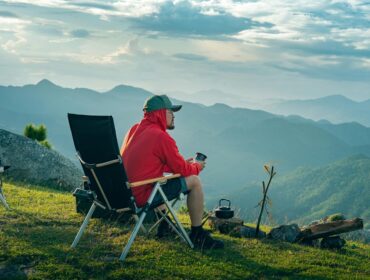
There’s the camp kitchen that sounds great on paper and then there’s the one that actually gets used. The one that fits in your trunk, pops up without stress, and lets you cook a real meal in the woods without making it a production. If you’ve ever stared at your car wondering how to pack a stove, cooler, and a dozen plastic bins, you’re not alone. This guide is for the campers who want less stuff, more function, and a setup that makes cooking outdoors feel easy – even a little fun.
Whether you’re heading out solo or planning a full family meal off-grid, here’s how to build a lightweight camping kitchen that works wherever you’re parked.
Start With What Kind of Camper You Are
Not all trips need the same setup. A weekend car camping trip has different needs than a weeklong overlanding route or a single-night backpacking escape. Your gear should match your trip—not the other way around.
If you’re driving in and staying close to your car, you can afford a bit more bulk. Go for collapsible tables, multi-burner stoves, and organized bins. If you’re backpacking, you’ll need compact everything—one-pot systems, ultralight stoves, and multi-use tools. Overlanders? You’re somewhere in the middle. You’ve got space, but you also want speed and efficiency.
Knowing your trip style is the first filter before you buy anything.
What a Lightweight Camp Kitchen Really Needs
You don’t need a full kitchen. You need one that handles these basics:
1. Heat: The Core of Every Meal Outdoors
You can’t cook without a reliable heat source. Whether you’re boiling water or pan-frying dinner, your stove is the workhorse. Look for something lightweight, stable, and easy to light in all conditions. Bonus if it works well in wind or packs down small.
Primus Moja Single Burner Camp Stove

Cooking outside gets easier when your stove doesn’t mess around. This one has serious power in a small footprint. It heats fast, handles large pots, and still fits neatly on a folding table. Setup is simple. Cleanup is even easier. You don’t need bells and whistles. You need flame and function. This burner locks closed for transport and opens up ready to go. Whether it’s coffee at dawn or soup at sunset, it stays stable and packs down without a fight.
2. Prep: You Need a Surface That’s Not Your Lap
Chopping onions on your cooler? That gets old fast. A small, sturdy prep surface gives you a place to cook cleanly and efficiently. Even a foldable table or compact board adds a huge upgrade to your cooking flow.
GSI Outdoors Rakau Cutting Board

Chopping veggies on a rock works once. After that, you want a surface that doesn’t wobble or soak. This board is bamboo, tough, and compact enough to pack in a side pouch. The groove keeps juices from running wild. Flip it for a clean prep surface mid-meal. It’s light, smooth, and wipes clean fast. If your camp kitchen has room for one cutting board, this is the one that makes prep actually enjoyable.
3. Clean-Up: Don’t Skip This Step
The best meals leave the biggest messes. Having a portable wash system saves time and keeps your gear usable for the next meal. Collapsible sinks, scrubbers, and quick-dry towels make cleanup less of a chore and more of a quick reset.
MSR Alpine Dish Brush/Scraper

After dinner, the last thing you want is food stuck to your only pot. This tool keeps cleanup fast. It’s small but scrubs like a pro. The stiff bristles lift off anything, even dried sauce, without scratching your nonstick gear. The curved edge fits pan corners. The rubber grip feels solid even with wet hands. It won’t take up space, but it’ll save you time—and probably keep you from burning your fingers trying to scrape with a spork.
MicroNet Tactical Micro-Terry Towel

When you’re camping, things stay damp longer. This towel doesn’t. It drinks up water fast, dries even faster, and folds up small. Whether you’re drying hands, wiping dishes, or mopping up a spill, it handles it all without smelling funky.
It comes with a mesh bag so it’s easy to stash. The fabric feels soft but still tough enough for daily use. If you only pack one towel, you want it to do everything—and this one does.
4. Storage: Because Loose Gear Is Lost Gear
A smart storage system keeps your kitchen organized, dry, and ready to roll. Stackable bins or soft-sided pouches help you separate tools from food. When everything has a place, nothing gets left behind—or turns into a mystery mess.
Save time and space by packing spices, oils, and dry ingredients in labeled containers or zip bags.
BearVault BV500 Solo Bear Resistant Food Canister Bundle

Keeping food safe in the wild isn’t just smart—it’s required in a lot of places. These canisters do the job. They’re bear-proof, roomy, and transparent so you can actually find what you packed. One handles a week of meals solo.
No tools needed to open it. Just twist and grab what you need. The extra-wide opening means less fumbling at dinner. It locks down when you’re done, and the bundle includes a bonus canister for shorter trips. One less worry at camp.
5. Utensils: The Right Tools, Not All the Tools
Bring what you’ll actually use. A solid knife, a heat-safe spatula, and maybe tongs if you’re fancy. Go for durable, multi-use utensils that nest or fold to save space. No one wants to carry a full silverware drawer into the woods.
Primus Campfire Prep Set

Good food starts with the right tools—even in the woods. This set gives you everything for chopping, flipping, and prepping fast. It includes a sharp stainless knife, real wood utensils, and a rugged roll-up case that keeps everything in place.
The wood resists bacteria naturally. The case has two pockets and is easy to rinse out after use. Toss it in your kitchen bin and roll out when it’s go time. Whether it’s pancakes or pasta night, this set’s ready to help.
That’s it. The rest? Nice to have, but optional. When every item has a job, your setup stays tight and easy to manage.
Final Thoughts
Building a lightweight camp kitchen isn’t about trimming everything—it’s about cutting the fluff. You want gear that earns its space, solves a problem, and doesn’t slow you down.
With the right tools, you’ll cook better, pack faster, and enjoy the outdoors a little more. And the next time someone asks if you packed the kitchen sink, you’ll be able to say: yeah, actually—it folds flat.
FAQ: Camping Kitchen Setup
What’s the best stove for a lightweight kitchen?
For solo campers, go with an ultralight pocket stove. For car camping, choose a compact two-burner or Jetboil-style system.
Do I need a full camp kitchen table?
Not always. But having a surface off the ground helps with prep, cooking, and cleanup. Foldable ones save space.
How do I pack utensils so they don’t rattle everywhere?
Use soft pouches, elastic bands, or silicone wraps. You can also stash them in a roll-up tool organizer.
Is a camping sink worth it?
Yes, if you’re cooking real meals. Collapsible basins or built-in sink tables save hassle and keep things clean.
Can I use camp kitchen items from home?
You can, but they’re usually heavier and bulkier. Camp-specific gear is lighter, easier to clean, and packs smarter.