Rocky trails can test your patience and your balance. One wrong step, and your ankle reminds you why stability matters. That is where hiking with trekking pole becomes more than just gear. It becomes your extra set of legs, guiding you through rough terrain with confidence.
If you have ever felt unsure stepping over loose rocks or steep slopes, you are not alone. Many hikers face this challenge. But with the right technique and support, those tricky trails can turn into your favorite kind of adventure. You begin to notice the difference in how you move, how you place your steps, and how your body reacts to each section of the trail.
Why Hiking With Trekking Pole Changes Everything On Rough Trails
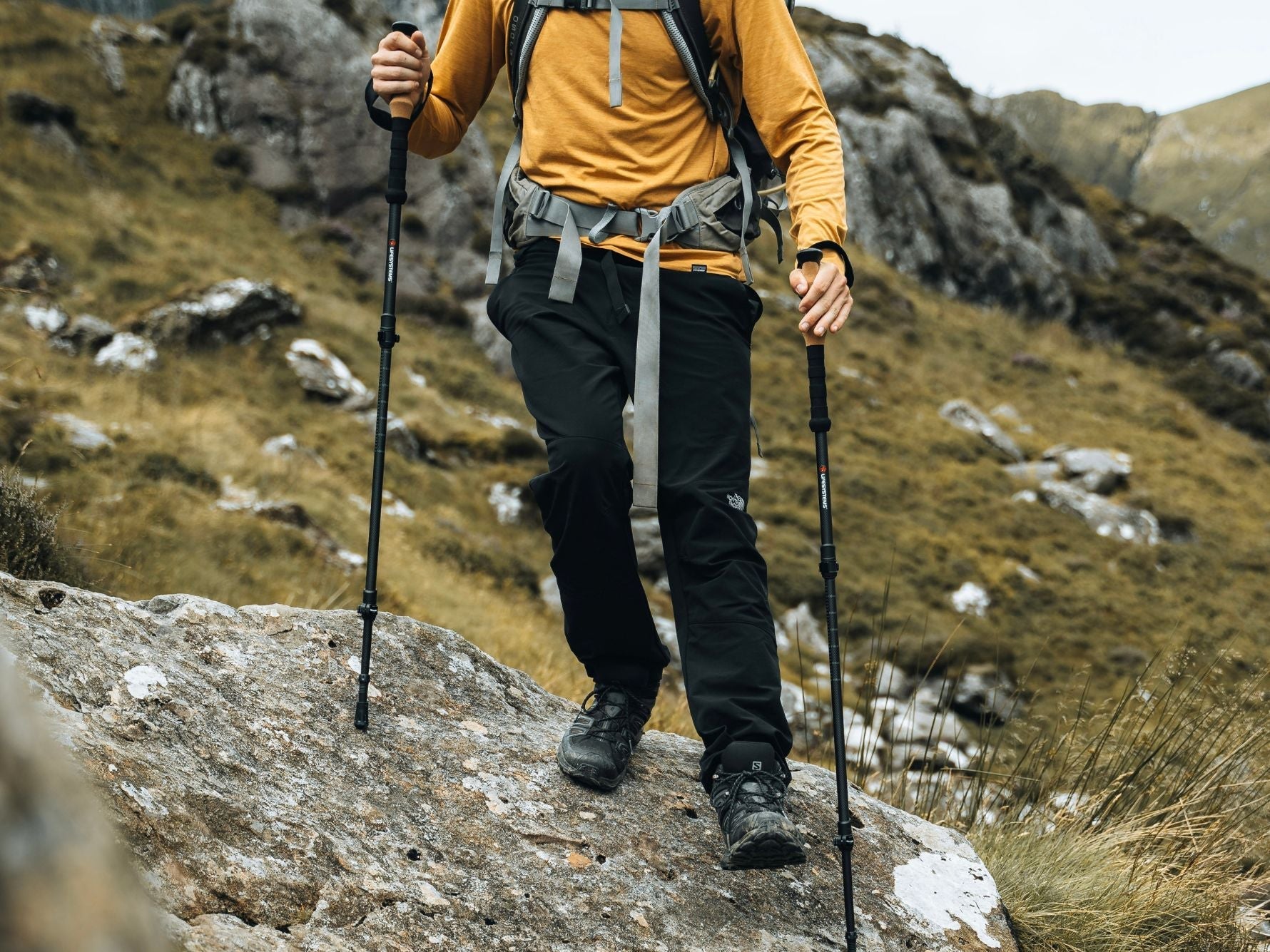
When you practice hiking with trekking pole, you distribute weight better. This reduces pressure on your knees and ankles. It also improves balance, especially on uneven ground where every step feels uncertain. Over time, you begin to rely on them without even thinking about it.
Here is how trekking poles make a difference:
-
Better balance with added ground contact points
-
Reduced strain on knees during steep descents
-
Improved rhythm on long uneven trails
-
Safer steps by testing unstable surfaces first
A great example is the Leki Lhasa FX TA Trekking Pole. Its lightweight aluminum build and shock absorption help you stay stable without feeling weighed down. When trails get unpredictable, gear like this adds real confidence. It allows you to focus more on the experience and less on the risk of slipping or losing balance.
Choosing The Right Trekking Pole For Rocky Terrain

Not all trekking poles feel the same on rough trails. The right choice depends on how and where you hike.
If you often explore rocky or uneven paths, look for poles with strong materials and reliable grip. Carbon fiber poles feel lighter, while aluminum poles offer durability against hard impacts. Your choice should reflect the type of trails you usually take and how often you hike.
A few things to keep in mind:
-
Material choice impacts durability and weight
-
Comfortable grip reduces hand fatigue
-
Adjustable height helps on changing terrain
-
Carbide tips provide better traction on rocks
The Leki Cressida FX Carbon Trekking Poles are a solid choice if you prefer lightweight gear that folds easily. For hikers who want smoother descents, the Leki Lhasa AS Trekking Poles offer excellent shock absorption on steep trails. These features become especially useful when you are dealing with long and demanding routes.
Mastering Technique On Uneven Ground

Having trekking poles is one thing. Using them well is another.
When you walk on rocky trails, timing matters. Your poles should move naturally with your steps, not against them. This coordination helps reduce effort and keeps your movement fluid.
-
Plant the pole slightly ahead of your foot
-
Keep elbows relaxed and slightly bent
-
Shorten poles for uphill climbs
-
Lengthen them slightly for downhill sections
The trail does not need to be smooth for you to move smoothly. The right rhythm makes even the roughest terrain feel manageable.
It might feel awkward at first. But once your movement flows, you will notice how much easier it feels to stay balanced. Your confidence builds with each step, and your body adapts to the rhythm.
Poles like the Leki Jannu Trekking Poles help here. Their secure locking system and comfortable grip let you focus on movement instead of gear adjustments. This allows you to stay consistent even when the terrain becomes more demanding.
When And Where Trekking Poles Make The Biggest Difference

Not every trail demands trekking poles. But some terrains almost feel designed for them.
Rocky trails, loose gravel paths, and steep descents are where poles shine. They give you control when your footing feels uncertain. You start to notice how much easier it is to maintain stability in situations that once felt risky.
Use trekking poles when:
-
Trails are covered with loose rocks or gravel
-
You are carrying a heavy backpack
-
Descending steep slopes
-
Crossing streams or slippery surfaces
In these situations, hiking with trekking pole becomes essential. It helps you test the ground before shifting your weight. This simple habit can prevent slips and improve overall safety.
If you prefer ultralight performance, the MSR DynaLock Ascent Carbon Backcountry Poles deliver strength without adding extra load to your pack. They are especially useful for longer hikes where every ounce matters.
Building Confidence One Step At A Time


That confidence does not come overnight. It builds slowly. The more you practice hiking with trekking pole, the more natural it feels. You begin to trust your movements and your ability to adapt.
Start with easier trails. Focus on your rhythm. Pay attention to how your body moves. Over time, you will notice a shift. Trails that once felt intimidating begin to feel exciting.
As your skills improve, you will find yourself exploring more challenging paths. You will feel more prepared and more capable of handling unexpected terrain.
And that is when hiking becomes more than just reaching a destination. It becomes about enjoying the journey, no matter how rough the path gets.

Frequently Asked Questions
Do trekking poles really help while hiking rocky and uneven trails?
Yes, they improve balance and reduce joint strain. They also help you test unstable surfaces before stepping, making rocky and uneven trails much safer and easier to navigate.
How many trekking poles should I use for uneven hiking terrain?
Using two trekking poles gives better balance and support. It is especially helpful on rocky paths, steep slopes, and trails where footing feels unstable.
Are carbon or aluminum trekking poles better for rocky trails?
Carbon poles are lighter and easier to carry. Aluminum poles are stronger and handle rough terrain better. Choose based on your hiking style and trail conditions.
Can beginners use trekking poles on uneven and rocky trails?
Yes, beginners can use them easily. It may feel unusual at first, but with practice, trekking poles quickly improve balance and confidence on uneven ground.
Do I need to adjust trekking pole height on different trail sections?
Yes, adjusting pole height helps a lot. Shorter poles work better uphill, while slightly longer poles provide better support when hiking downhill.
Are trekking poles useful for flat trails or only rough terrain hiking?
They are useful on flat trails for rhythm and endurance. However, they are most helpful on rocky, uneven, and challenging hiking terrain.