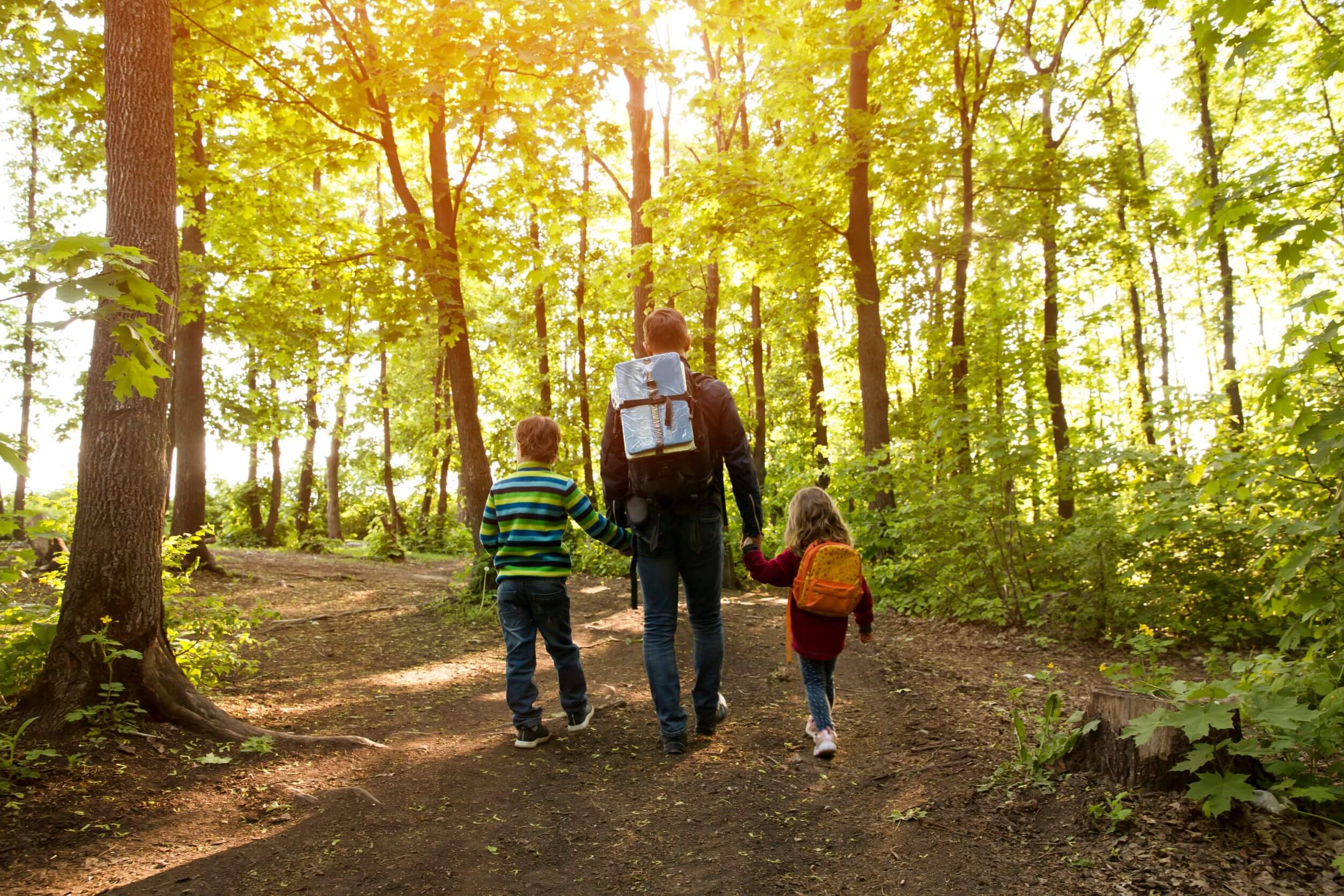
Taking your kids on a hike sounds magical. Fresh air, curious questions, tiny footsteps beside yours. But every parent knows the reality too. Kids get tired. Weather changes fast. Small problems can turn big quickly. That is why hiking safety tips matter more when children are involved.
I remember my first hike with my niece. She loved every moment until it started raining. Suddenly, excitement turned into panic. That day taught me something important. Preparation is not optional. It is everything. When you plan well, hiking with kids becomes safe, fun, and unforgettable.
Start With Smart Preparation And Kid Friendly Planning

Planning a hike with kids is not the same as hiking alone. You need to think ahead. Kids need breaks, snacks, and simple routes. Choose shorter trails. Pick paths with clear markings. Always check the weather before leaving.
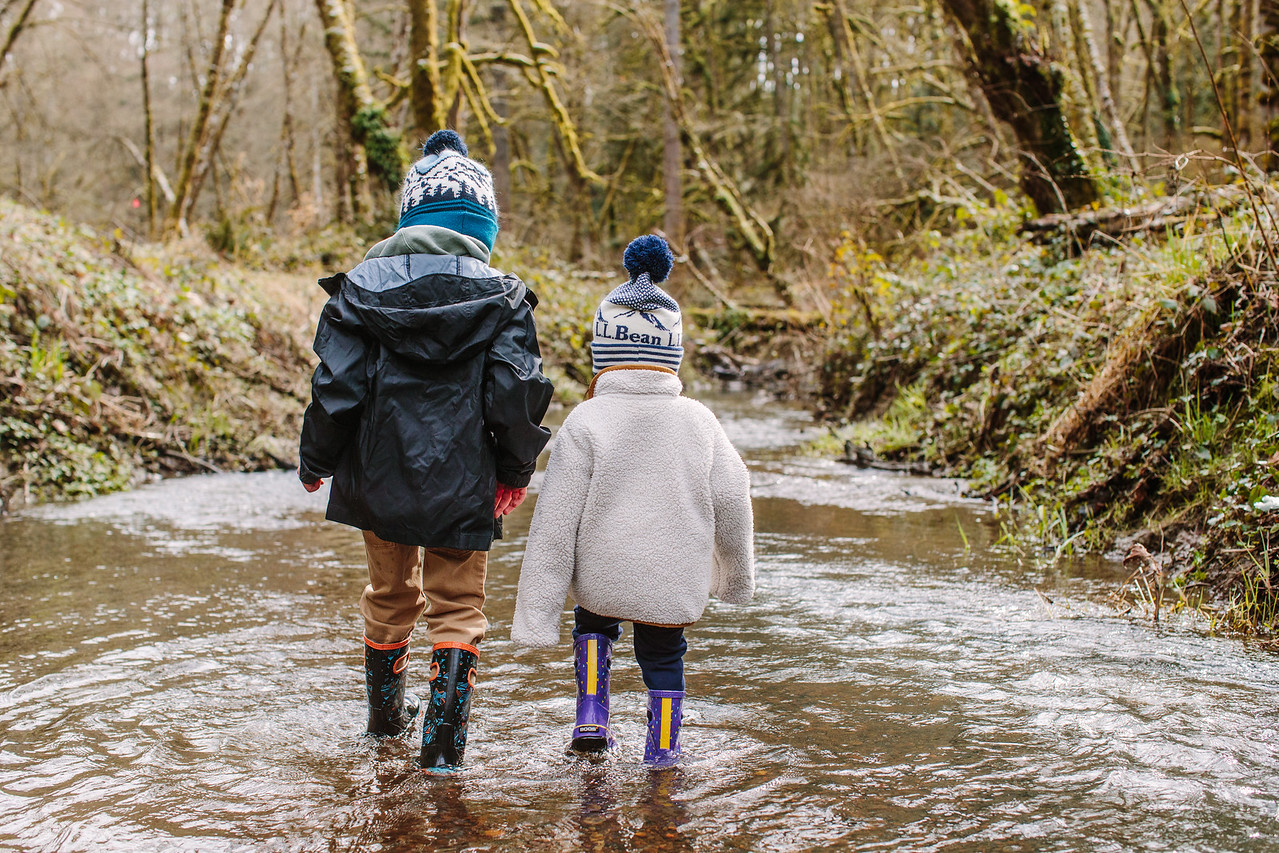
One of the best hiking safety tips is to pack for surprises. Kids feel discomfort faster than adults. A sudden drizzle or wind can change their mood instantly. Carrying something like the Coghlan’s Poncho for Kids can save the day. It is lightweight and easy to use when weather shifts unexpectedly.
Keep your packing simple but complete:
• Extra snacks and water to avoid sudden hunger and fatigue
• A small first aid kit ready for cuts or scrapes
• Bright clothing so kids stay visible on busy trails
• A whistle so kids can signal if they wander off
And yes, teach them early. Show them how to stay on the trail. Make it a game. Ask them to spot trail markers. It keeps them engaged and alert.
Carry The Right Gear To Keep Kids Safe And Comfortable

The right gear changes everything. It can turn a stressful hike into a smooth adventure.
If you are hiking with younger kids, carrying them safely matters. A product like the Deuter Kid Comfort Pro Carrier gives you stability and comfort. It also keeps your child secure with proper support. For lighter trips, the Osprey Poco Soft Child Carrier offers flexibility and easy movement on shorter trails.
Another key part of hiking safety tips is emergency readiness. Accidents happen. Kids trip. They fall. They explore more than they should. Having a strong first aid kit like the Nanuk 903 Waterproof First Aid Case ensures your supplies stay dry and protected.
And do not forget signaling tools. A Storm Whistle can be a lifesaver. It is small but powerful. If a child gets separated, sound travels farther than your voice.
• Choose gear that is lightweight and easy to carry
• Make sure everything fits properly before starting
• Test equipment at home so kids feel comfortable using it
The goal is simple. Keep kids safe without taking away their sense of adventure.
When kids feel safe, they enjoy more. And when parents feel prepared, they relax more too.
Kids also learn by watching you. If you stay calm and organized, they will follow your lead. That is how confidence grows on the trail.
Teach Trail Awareness And Build Confidence Early


Safety is not just about gear. It is also about mindset. Kids need to understand their surroundings.
Teach them simple rules:
• Stay where you can see me
• Stop if you feel lost
• Listen for sounds like whistles
Turn these lessons into stories. Kids remember stories better than rules. Ask questions like, “What would you do if you cannot see me?” Let them think. It builds awareness.
Another one of the most important hiking safety tips is to set boundaries. Let kids explore, but within limits. Give them a small range. Make it clear where they can go.
Encourage curiosity, but keep structure. That balance creates safe adventures.
Also, teach them to respect nature. Stay on marked trails, avoid touching unknown plants, and do not feed wildlife. It sounds basic, but kids forget in the moment.
And here is something parents often overlook. Emotional safety matters too. Kids can feel overwhelmed outdoors. If they get scared, stop. Talk to them. Let them reset. A calm child is a safe child.
Keep Energy High And Avoid Trail Meltdowns


This is where planning saves you again. Kids need frequent breaks. Do not wait until they ask. Offer snacks and water regularly.
Energy dips can lead to poor decisions. Kids may wander, trip, or stop paying attention. Keeping them fueled keeps them safe.
Make breaks fun:
• Play small games during rest stops
• Let kids choose the next short goal
• Celebrate small milestones like reaching a tree or rock
One of the underrated hiking safety tips is pacing. Slow down. Hiking with kids is not about distance. It is about experience.
And always watch for signs of exhaustion. If a child looks too tired, turn back. The trail will still be there another day.
Know When To Turn Back And Trust Your Instincts

Sometimes, the best decision is to stop. Not every hike needs to be completed.
Weather changes. Kids get cranky. Trails become harder than expected. Trust your instincts.
Many parents push forward because they planned the trip. But safety comes first. Always.
One of the most valuable hiking safety tips is knowing when to say, “Let’s head back.” That decision shows strength, not failure.
Kids will remember how you handled the situation. If you stay calm and make smart choices, they learn resilience.
And here is the truth. The best hiking memories are not about reaching the destination. They are about the journey.

Frequently Asked Questions
How young can kids start hiking safely?
Kids can start as early as toddlers with proper support. Use carriers for younger children and choose easy trails.
What are the most important hiking safety tips for beginners?
Start with short trails, carry essentials, stay aware of weather, and always keep kids within sight.
How do I keep my child from getting lost on a hike?
Teach them to stay close, use whistles, and set clear boundaries before starting.
What should I pack for a hike with kids?
Carry water, snacks, first aid kit, rain gear, and signaling tools like whistles.
How do I handle sudden weather changes while hiking?
Always carry light rain protection and extra layers. Be ready to turn back if needed.
Are child carriers safe for long hikes?
Yes, if they fit properly and provide support. Choose ergonomic carriers designed for hiking.