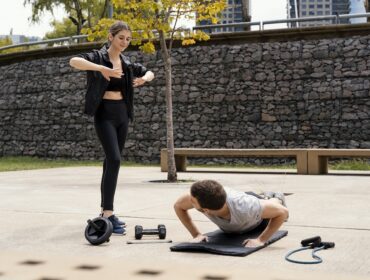
Stay Active While Soaking in the Outdoors
Camping and fitness don’t have to exist in separate worlds. In fact, combining the two can elevate both experiences. Imagine waking up to birdsong, warming up with sunrise stretches, and wrapping up your day with a strength session under the trees. With the right gear and know-how, your campsite can double as a functional, energizing workout space – no gym required.
Whether you’re training for a hike, staying on track during a trip, or just love being active, this guide will show you how to build a portable campsite workout station, complete with smart gear recommendations from SunnySports.
Why Exercise at the Campsite?
Keeps Your Routine Going
Regular movement prevents stiffness from long drives, backpacking fatigue, or hours around the fire.
Boosts Mental Health
Outdoor workouts release endorphins, reduce stress, and help you sleep better in your tent.
Uses Natural Terrain
Logs, rocks, trees, and slopes become part of your workout arsenal.
No Crowds, No Waiting
Nature is your private gym – no mirrors, no lines, and no distractions.
Choosing the Right Campsite for Fitness
To make your campsite workout-friendly, keep an eye out for:
-
Flat, open space for bodyweight training and yoga
-
Trees or posts for resistance bands or suspension trainers
-
Logs, boulders, or picnic tables for step-ups or box squats
-
Access to trails or water for cardio sessions like running or swimming
Must-Have Gear for a Campsite Gym
1. Manduka eKO SuperLite Yoga Mat
-
Folds or rolls easily
-
Grippy surface even when damp
-
Great for yoga, stretching, or HIIT
Why it’s great: This ultra-light mat fits in any pack and protects knees during ground workouts.
2. TRX GO Suspension Trainer
-
Anchors to trees or poles
-
Allows full-body resistance training
-
Weighs less than 2 lbs
Camp use tip: Clip it to a sturdy tree limb or your vehicle’s roof rack for rows, squats, and core work.
3. SKLZ Mini Bands
-
Set of resistance loops in various strengths
-
Ideal for glute activation, core, and rehab exercises
-
Small enough to stash in any pocket
Bonus: Use them while sitting around the campfire to stretch out tired legs.
4. HydraPak Flux 1.5L Collapsible Bottle
-
Great for staying hydrated during workouts
-
Packs down small after use
-
Leak-proof twist cap
Hydration reminder: Even in cooler temperatures, exercise outdoors can dehydrate you faster than expected.
5. Sea to Summit Pocket Towel
-
Ultra-absorbent and dries fast
-
Useful for sweat, post-workout rinses, or impromptu dips in a lake
-
Packs into a tiny pouch
Bodyweight Workout Plan (No Equipment Required)
Set your watch or phone for 30 seconds per move, 15 seconds rest between.
Warm-up (5 minutes)
-
Arm circles
-
Jumping jacks
-
Leg swings
-
Light jog in place
Full-Body Circuit (Repeat 3-4 Rounds):
-
Push-ups – Regular or incline (use picnic bench)
-
Bodyweight squats
-
Step-ups on log or rock
-
Plank shoulder taps
-
Lunges (forward or walking)
-
Bird-dogs – Great for core and back
-
High knees or mountain climbers
-
Tree sit – Like a wall sit, but on a tree trunk
Cool-down (5 minutes):
-
Forward fold
-
Downward dog
-
Seated twist
-
Hamstring stretch
Resistance Band or Suspension Trainer Circuit
With TRX or bands, add load to bodyweight movements:
-
Band-anchored squats
-
Suspended rows with TRX
-
Banded glute bridges
-
Suspended pike planks
-
Standing shoulder press with bands
-
Band-resisted side steps
-
TRX lunge to knee drive
-
Banded bicep curls anchored to tree
Repeat 2-3 rounds with 1 min rest between rounds.
Cardio Ideas for Campsites
Trail Running:
Choose nearby loops or out-and-back routes. Avoid peak sun hours and carry water.
Hill Sprints:
Use inclines near your site for intervals. Great for legs and lungs.
Canoeing or Paddleboarding:
Works upper body and core. Many lakeside campgrounds rent gear.
Jump Rope:
Old-school and effective. Choose a flat surface, and you’ve got instant cardio.
Recovery in the Wild
Recovery is just as important, especially after active days on your feet or under a pack.
Essentials:
-
Foam Roller (collapsible) or massage balls
-
Compression socks for circulation
-
Turmeric or magnesium supplements
-
Anti-inflammatory snacks like cherries or pineapple
Safety Tips for Outdoor Fitness
-
Warm up first – cold muscles in cool mornings are injury-prone
-
Avoid sharp rocks, roots, or uneven surfaces
-
Check your gear anchors (trees, poles) for sturdiness
-
Hydrate before, during, and after sessions
-
Respect wildlife and other campers’ space
Fueling Your Body Outdoors
You can’t power a solid workout without the right fuel.
Pre-Workout Snack Ideas:
-
Trail mix
-
Banana with nut butter
-
Protein bar (like Clif or RXBAR)
Post-Workout Fuel:
-
Rehydration salts or electrolytes
-
Instant oatmeal with peanut butter
-
Hard-boiled eggs + crackers
-
Jerky and dried fruit
Camp Tip: Prep energy bites or protein cookies at home to enjoy after your sweat session.
Bonus: Natural Gym Ideas
Nature has built-in workout gear:
-
Logs = weighted carries or step-ups
-
Large rocks = overhead presses
-
Trees = chin-up bars or stretching poles
-
Sand/dirt = extra resistance for lunges or sprints
-
Water jugs = homemade weights
Use what you’ve got, be creative, and stay aware of your surroundings.
FAQs: Campsite Workout
Can I work out every day while camping?
Yes, but listen to your body. Alternate high-intensity days with hikes, yoga, or rest days.
What’s the best time to exercise outdoors?
Morning or late afternoon – temperatures are cooler, and wildlife activity is lower.
Can I build muscle with just bodyweight outdoors?
Absolutely. With progressive overload and consistent routines (especially with suspension trainers), you can build strength anywhere.
What if it rains?
Use your tent vestibule or covered area for core-focused workouts like yoga, planks, or resistance band drills.