
This is the first of a two-part series on how to handle a situation that requires emergency shelter.
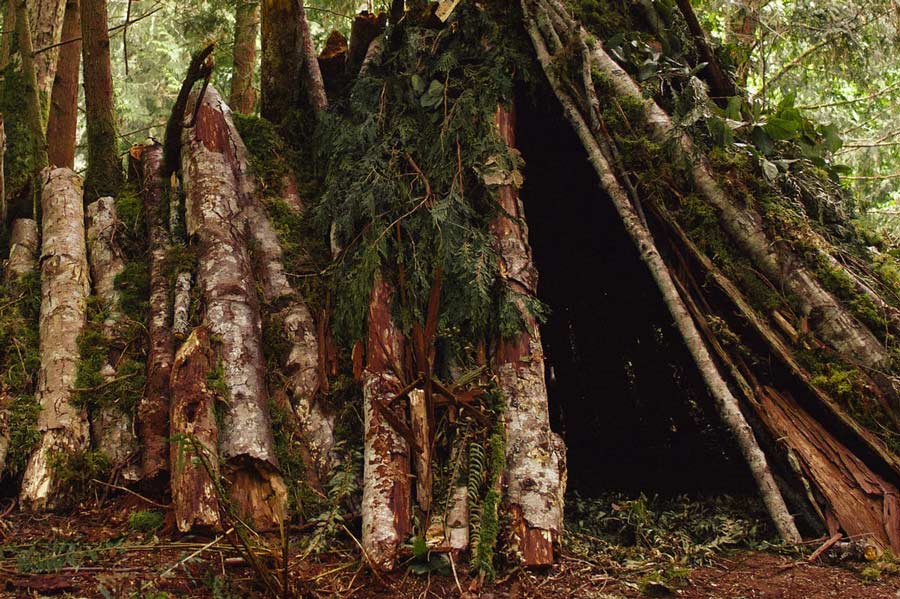
Whenever we go adventuring in the great outdoors, whether it be ocean, desert, or forest, it is vital to have a contingency plan. If life has taught us anything, one sure fact is that it is full of variables, and it can be difficult to see them coming. But with a little forethought, there are some unexpected circumstances that you could be somewhat prepared for, and emergency shelter is one of the biggest. Ideally, no one would be caught in such a situation, but learning what to do just in case can mean the difference between trouble and survival.
S.T.O.P For Survival
This acronym is popular in the survival camp (pun intended) for the sheer common sense it promotes. It entails four basic steps that will help any person in an emergency situation avoid panic and help themselves make it through a difficult situation: Sit, Think, Observe, Plan.
Sitting down and collecting yourself will help a great deal more than pacing or looking around frantically. Allow calm to prevail.
Thinking about what resources you have will trigger a more rational response. Things you may already have in your pack or on your person could be valuable tools. Try to remember any survival tactics you may have already learned, or ways that you can conserve your energy in this situation.
Observe the features of the area surrounding you. Is there water or high ground nearby? Is there any kind of natural shelter available, or materials that will help you build one? Take inventory of any resources in your immediate area.
Planning is the culmination of the above steps. Armed with resources, ideas, and focus, you will find yourself much closer to a resolution of the situation. Don’t let fear get in your way — know that you will see this through!

Make Your Decisions Carefully
The first thing most people would be thinking about if they were to get lost in the woods would be how to stay warm. Loss of body heat will make it more difficult to perform even menial tasks, and can have serious implications for your survival. Is your first instinct to build a fire, or build a shelter? A good way to determine which is the better solution is to consider the time of day, and your skills and resources.
Why does the time of day matter? Daylight is going to be invaluable to either activity. If your daylight left is limited, your time would be better spent gathering the necessary components for a shelter and building it than gathering kindling for a fire you may or may not be able to start. A good shelter can keep you dry and warm without having a fire at all.
If you want to build a fire, one of two things are necessary: a lighting implement, or the skills to create a fire without one. Tools to start a fire will be just as viable once you have a shelter built, but trying to create one with natural techniques and no experience will burn up that precious daylight time, leaving you out in the cold. A shelter will protect you from the elements in more ways than a fire can.
Check back for the next article in the series where we discuss shelter materials and building techniques!
Featured Image from pacd_photography/Unsplash


