 Although wildlife and nature conservation is gradually gaining traction in nations worldwide who are starting to see the great importance of preserving our natural resources, the bureaucracy involved in taking action on a large scale can sometimes prevent any action from being taken at all. That’s why we want to bring to light the endeavors of one man who simply couldn’t stand by and watch as nature withered away in his homeland: Jadav “Mulai” Payeng.
Payeng was stricken in 1979 by the plight of a number of snakes that were washed ashore on a sandbar in northeastern India’s Assam state, adjacent to the Brahmaputra River, following heavy flooding. The receding waters revealed a veritable graveyard of the reptiles, who succumbed to the intense heat of the region with no tree cover or vegetation in which to take refuge. At just 16 years old, the scene hit Payeng very hard, who remembers how he sat and cried over the carnage. He implored the state’s Forestry Department to begin planting trees in the region to avoid another such natural disaster, but was told nothing would grow there. Officials suggested that Payeng try to plant some bamboo, and with that, his mission became clear.
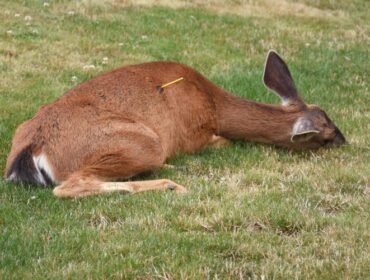
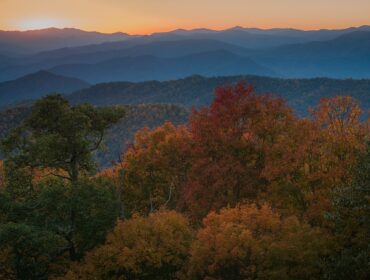
Without a moment’s hesitation, Payeng single-handedly began to plant seeds along the sandbar and cultivate the new growth that eventually developed into the 1,360 acres of lush habitat it is today. Forestry officials were stunned when they came upon the forest in 2008 while searching for a herd of elephants that had damaged property in a village about a mile from the location. Instead of a dusty sandbar, they discovered a multitude of vegetation and animals in the area, including elephants, tigers, deer, rhinos, and birds, all of which were facing increasing endangerment from habitat loss. Payeng’s dedication to the reforestation of the area culminated in him moving his family there, where he is recognized as the sole caretaker of the forest, now dubbed “Mulai Kathoni (Mulai Forest)”, an homage to the nickname of the man who so painstakingly made his conservation dream come true.
Image via Wikipedia