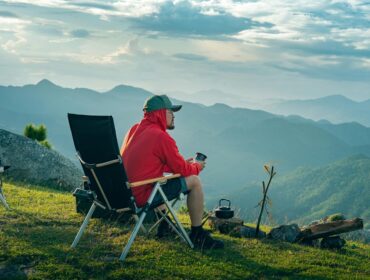
Spring hiking sounds easy. Until it is not. One moment feels warm, the next feels like winter again. Cold Spring Hiking brings beauty, but also surprises. You step onto a trail expecting sunshine, then find wind, mud, and sudden rain waiting for you.
That is what makes it exciting. You get blooming trails, fewer crowds, and fresh air that feels alive. But it also means you need to pack smarter. The right gear does not just make your hike better. It keeps you comfortable, dry, and ready for whatever the trail throws at you.
Layering Smart for Cold Spring Hiking Adventures

Cold spring days are unpredictable. That is why layering matters more than anything else. You do not need heavy winter gear. You need flexible gear that adapts as the day changes.
Start with a moisture-wicking base layer. Add insulation. Finish with a weather-ready shell. That combination keeps you moving comfortably all day.
A great example is The North Face Antora Triclimate Jacket. It gives you three options in one piece. You can wear the shell, the fleece, or both together. That kind of flexibility works perfectly when temperatures shift quickly.
Here is how to layer smart without overpacking:
• Choose breathable base layers that stay dry during movement
• Add a mid layer that traps warmth without bulk
• Carry a waterproof shell for wind and rain
• Avoid cotton since it holds moisture and chills your body
• Adjust layers often instead of waiting until you feel cold
Spring trails reward those who stay ahead of the weather.
Stay Dry and Warm When Conditions Change Fast

Rain shows up when you least expect it. Wind follows right behind. That is the reality of Cold Spring Hiking.
A lightweight shell makes a huge difference. It blocks wind and keeps rain out without weighing you down. The North Face Quest DryVent Jacket works well for this. It packs small and handles sudden showers with ease.
For colder mornings, insulation helps. The North Face Aconcagua 3 Jacket adds warmth without overheating. You can wear it early, then stash it once the sun comes out.
It is not about packing more gear. It is about packing the right gear.
• Always carry a waterproof layer, even if the sky looks clear
• Keep insulation handy for early starts and high elevations
• Look for breathable fabrics that prevent overheating
• Pack gear that folds small and dries fast
Weather changes quickly. Your gear should keep up.
Why Footwear Matters More Than You Think

Wet trails can turn a great hike into a miserable one. Cold water seeps in. Mud slows you down. Slippery rocks test your balance.
That is why footwear matters so much in spring.
The North Face Hedgehog 3 Waterproof Shoes are built for these conditions. They keep water out while giving you grip on uneven terrain. You stay steady, even when trails get messy.
If you prefer boots, the Sorel Joan Now Zip Waterproof Bootie offers extra ankle support. It works well on slushy trails and even around camp afterward.
Think of your shoes as your foundation. Everything else depends on them.
• Choose waterproof footwear to avoid cold, wet feet
• Look for strong traction on mud and loose gravel
• Consider ankle support for uneven trails
• Break in your shoes before longer hikes
A dry step is a confident step.
You do not notice good footwear. You only notice when it fails.
The best hikes are not the ones without challenges. They are the ones where you are ready for every challenge that shows up.
When your feet stay dry and steady, your mind stays focused. You enjoy the trail instead of worrying about every step.
Pack Light but Never Underpack Essentials

Packing for spring is tricky. You want to stay light, but you cannot risk missing key items.
Cold Spring Hiking is all about balance. Carry what you need, but nothing extra.
Start with essentials. Add layers. Then think about safety and comfort.
• Extra socks to swap out if your feet get wet
• Gloves and a light hat for chilly mornings
• Snacks that give quick energy during long climbs
• A compact first aid kit for small injuries
• A headlamp in case your hike runs longer than planned
Space matters, so choose gear that packs down easily.
Do not overload your bag. But do not leave out what you may regret later.
Reading the Trail and Adapting on the Go

Every spring trail tells a different story. Some feel dry and easy. Others surprise you with snow patches or flooded sections.
Pay attention to your surroundings. Adjust your pace. Change your layers.
Cold Spring Hiking is not just about gear. It is about awareness.
If clouds roll in, prepare early. If the trail gets muddy, slow down. If the wind picks up, layer up before you feel cold.
Stay flexible. That is what makes a good hike great.
Making the Most of Every Cold Spring Hiking Moment

Spring hiking is full of contrast. You feel cold air and warm sun in the same hour. You see snow and flowers on the same trail.
That is what makes it special.
When you gear up right, you stop worrying about discomfort. You start noticing everything else. The sound of water. The smell of fresh earth. The quiet moments that stay with you long after the hike ends.
The right gear does not just prepare you. It frees you.

Frequently Asked Questions
What should I wear for cold spring hiking?
Wear layers that you can adjust easily. Start with a base layer, add insulation, and carry a waterproof shell.
Is waterproof gear necessary in spring?
Yes, trails are often wet or muddy. Waterproof gear keeps you dry and helps maintain body warmth.
How do I avoid overheating while hiking?
Remove layers before you feel too warm. Choose breathable fabrics that regulate temperature.
What footwear works best for muddy trails?
Waterproof shoes or boots with strong traction work best. They keep your feet dry and stable.
How do I pack light but stay prepared?
Focus on essentials only. Choose lightweight gear that serves multiple purposes.
Is cold spring hiking safe for beginners?
Yes, but preparation matters. Start with easier trails and always check weather conditions before heading out.