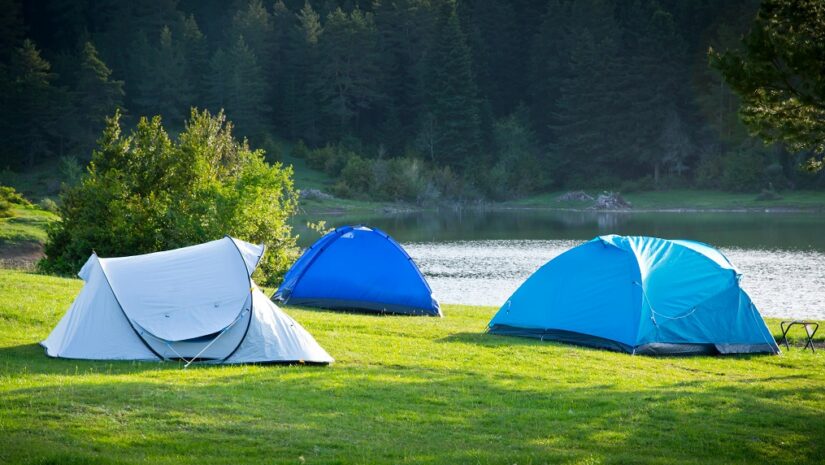
The first time you wake up beside a river while learning how to camp on a river expedition, everything feels different. The sound of flowing water replaces your alarm clock. Cool morning air brushes past your face. And suddenly, you realize nature does not need anything from you. It just asks you to respect it.
That is where most campers struggle. We love these wild places, yet we often leave marks behind. Learning how to camp responsibly on a river expedition is not just a skill. It is a mindset. One that keeps these places just as wild for the next trip, and the one after that.

Choosing Campsites That Leave No Mark

Picking the right spot makes a huge difference. Riverbanks can be fragile, especially in spring when water levels rise. A poor choice can damage plants or disturb wildlife habitats.
Here is how to pick smart:
- Look for durable surfaces like gravel bars, sandbanks, or dry rocky patches
- Stay at least 200 feet away from water when possible
- Avoid lush vegetation or soft soil areas
- Use established campsites if they exist
- Watch for rising water levels after rain upstream
A good campsite blends in. When you leave, it should look like no one was ever there.
Cooking, Cleaning, and Living Light on the River

River trips often mean simple meals and fewer tools. That actually works in your favor. The less you carry, the less impact you create.
When figuring out how to camp on a river, your daily habits matter more than your gear.
- Use a portable stove instead of building fires
- Pack reusable utensils and containers
- Wash dishes at least 200 feet from the river
- Use biodegradable soap sparingly
- Strain food scraps and pack them out
Human waste needs attention too. It is not glamorous, but it matters.
- Use portable toilet systems when possible
- If not, dig a cathole at least 6 inches deep and far from water
- Pack out toilet paper in sealed bags
The river gives you everything you need to feel alive. The least you can do is leave it exactly as you found it.
After a long paddle, it is tempting to relax and forget the rules. But small habits add up. A clean campsite today means a better experience tomorrow.
Respecting Wildlife and River Ecosystems
Wildlife sightings are often the highlight of any river trip. A deer crossing the water. Birds gliding overhead. Fish jumping at sunset.
But these moments come with responsibility.
- Store food securely to avoid attracting animals
- Keep a safe distance from all wildlife
- Never feed animals, even small ones
- Keep noise levels low, especially at dawn and dusk
- Avoid bright lights near water at night
Rivers are delicate systems. Even small disturbances can affect them.
If you are paddling through popular routes in summer, you will notice more people. That means more pressure on the environment. Your choices matter even more during peak seasons.
Learning how to camp responsibly is not about following rules. It is about understanding your role in the bigger picture.
Packing Out Everything You Bring In

This is the golden rule. If it comes with you, it leaves with you.
River trips make it easy to carry waste. Dry bags, storage bins, and kayaks give you space. So there is really no excuse.
- Bring extra bags for trash and recyclables
- Separate wet and dry waste
- Double bag anything that could leak
- Check your campsite before leaving
- Pick up trash left by others if you can
It feels good to leave a place better than you found it.
Many experienced paddlers say this is the most important part of learning how to camp on a river. Gear matters. Skills matter. But responsibility matters more.
Leaving Camp Like You Were Never There

Before you push off and continue downstream, take a moment. Look around your campsite.
Can you see footprints? Food scraps? Ash from a fire?
If yes, take a few extra minutes.
- Scatter unused firewood
- Smooth out disturbed soil or sand
- Check for micro trash like wrappers or ties
- Restore the area as naturally as possible
That last look matters. It is your final chance to do it right.
River expeditions are about freedom. They are about moving with the current and letting go of routine. But that freedom comes with responsibility.
Once you understand how to camp without leaving a trace, your trips feel different. Lighter. Cleaner. More connected.
Frequently Asked Questions
What is the best surface to camp on near a river?
Gravel bars, sandbanks, and rocky areas work best. They handle impact without damaging plant life.
Can I build a fire during a river expedition?
Only if it is allowed. Use existing fire rings or skip fires and use a stove.
How far should I camp from the river?
Try to stay at least 200 feet away when possible to reduce impact and avoid flooding risks.
What do I do with food waste?
Pack it out. Strain dishwater and carry out scraps in sealed bags.
Is it okay to wash in the river?
Avoid it. Use minimal water away from the river and keep soaps out of natural waterways.
Why is Leave No Trace important for river trips?
Rivers are sensitive ecosystems. Small impacts can harm wildlife and water quality over time.