If you want simple, reliable sleep on the trail, foam sleeping pads are hard to beat. They are lightweight, tough, and ready to use straight out of the pack. No valves, no pumps, no worries about punctures. For backpackers and campers who value durability and ease, foam pads under $100 offer serious value.
Below are three excellent options that balance comfort, insulation, and packability while staying well below the $100 mark.
Therm-A-Rest Z-Lite SOL

Price: $59.95
R-Value: 2.0
Style: Closed-cell foam with reflective surface
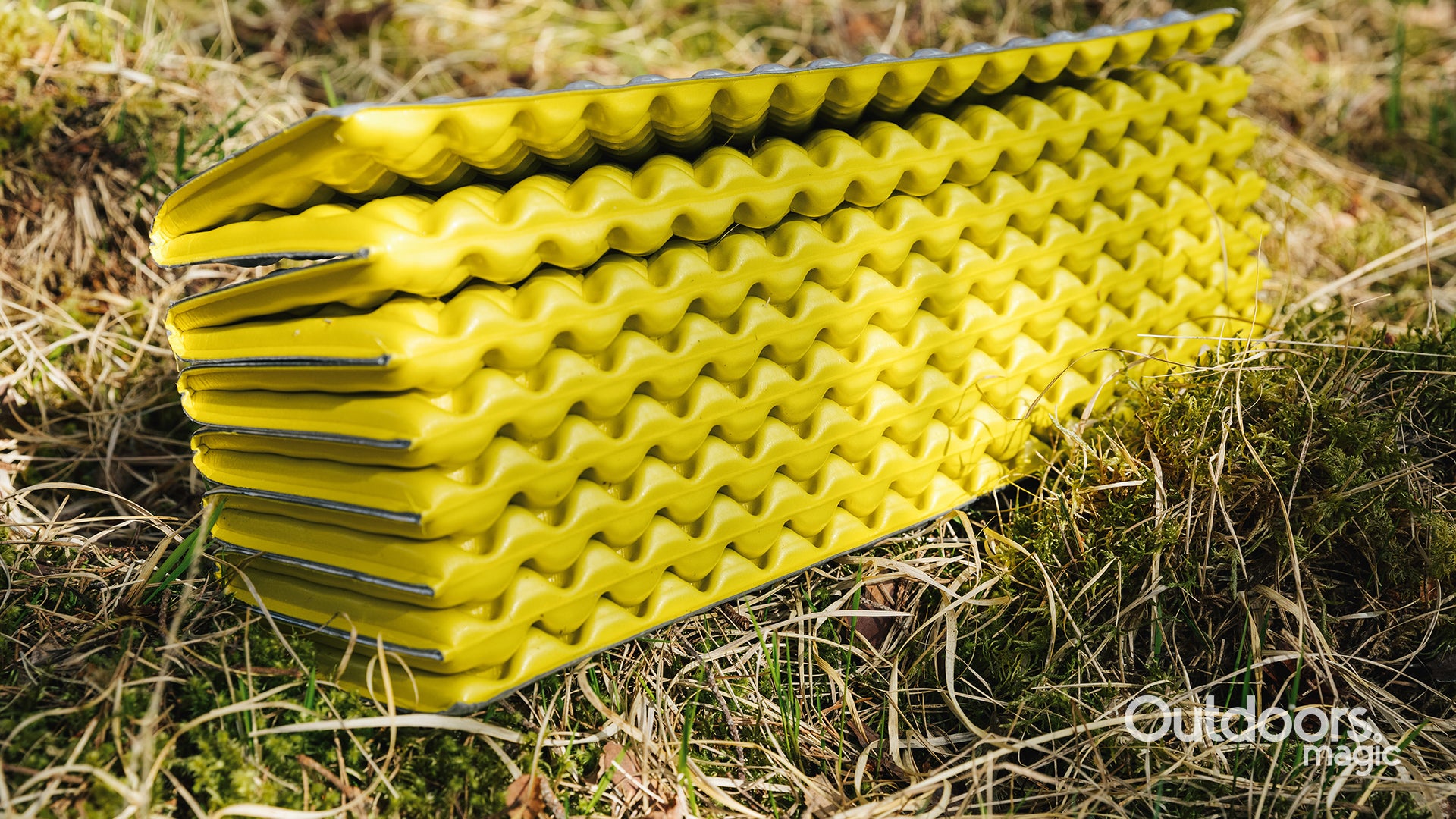
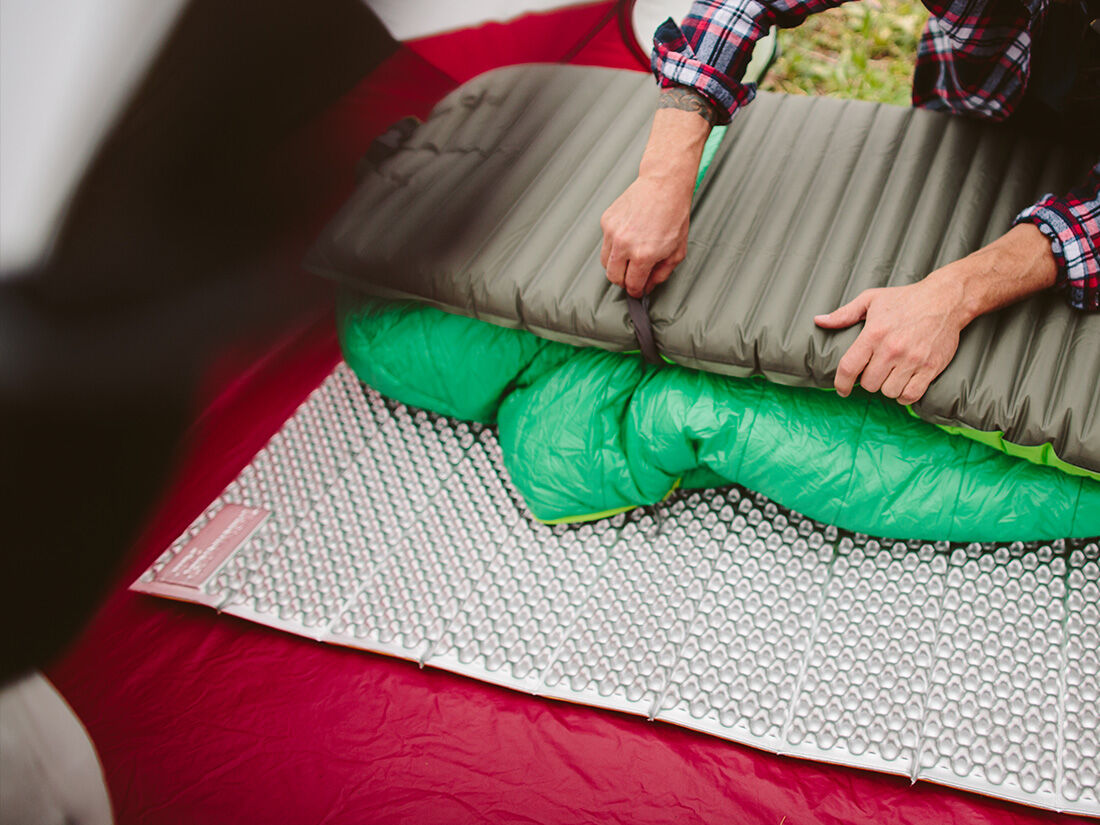
The Therm-A-Rest Z-Lite SOL is one of the most trusted foam pads in backpacking. Its closed-cell foam design resists moisture and stands up to rough terrain. The reflective surface helps boost warmth by reflecting body heat back toward you, making it a smart choice for cool nights.
It folds into an accordion shape, so packing it takes seconds. At a lightweight build, it attaches easily to the outside of a backpack. With an R-Value of 2.0, it works well for mild to moderately cool conditions.
This pad is ideal for hikers who want dependable insulation without added weight or complexity.
Nemo Switchback Ultralight Sleeping Pad

Price: $59.95
Thickness: 0.9 inches
Minimum Weight: 10.5 ounces
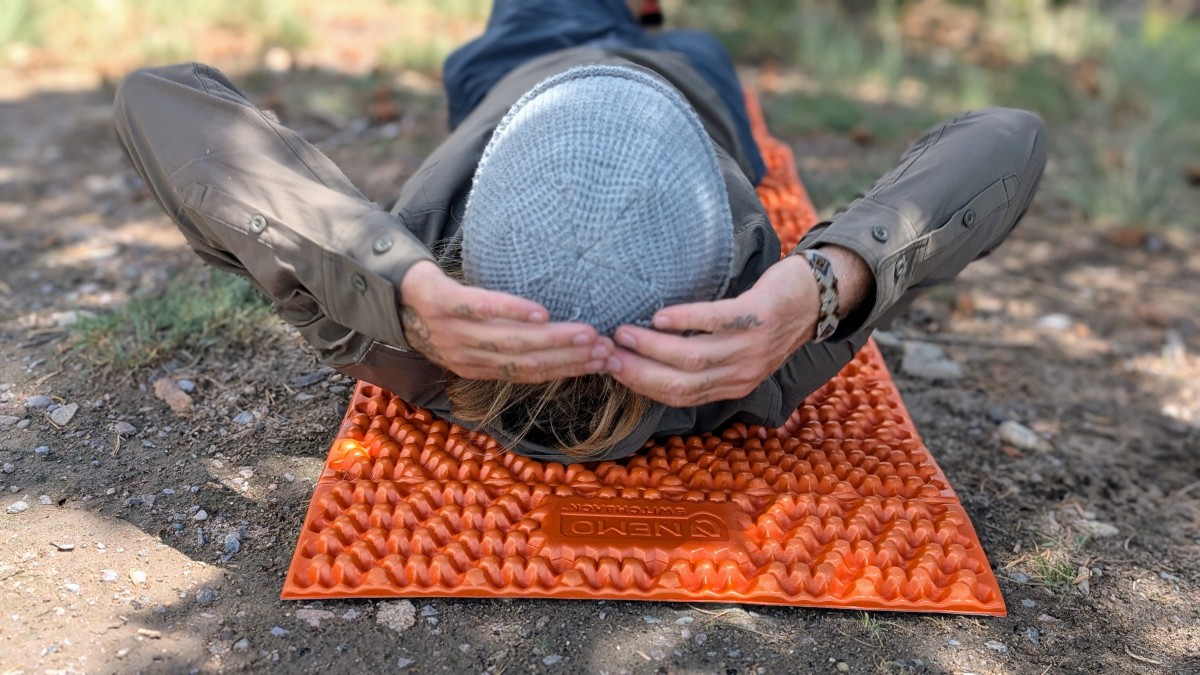
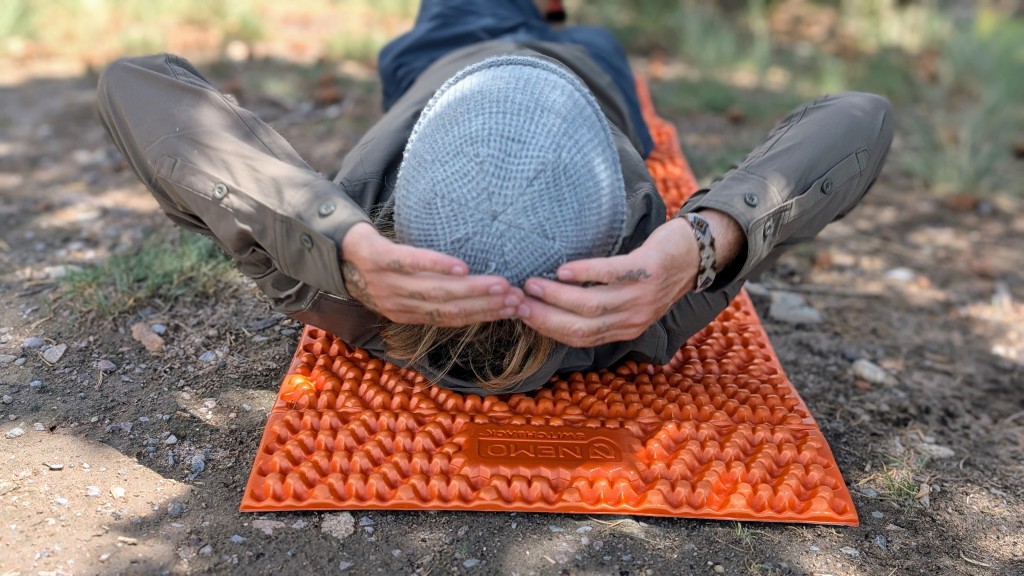
The NEMO Switchback Ultralight Sleeping Pad is built for backpackers who count every ounce. At just 10.5 ounces minimum weight, it is one of the lightest foam pads in its class.
The egg-crate style surface increases comfort and helps trap warmth. It is rated for temperatures between 20°F and 35°F, making it a reliable option for three-season use. The rectangular shape offers full-body coverage, while the compact fold design makes it easy to strap onto a pack.
For ultralight hikers who still want warmth and comfort, this pad delivers strong performance under $100.
Therm-A-Rest Z-Lite Regular Coyote/Gray


Price: $49.95
Weight: 14 ounces
R-Value: 2.2
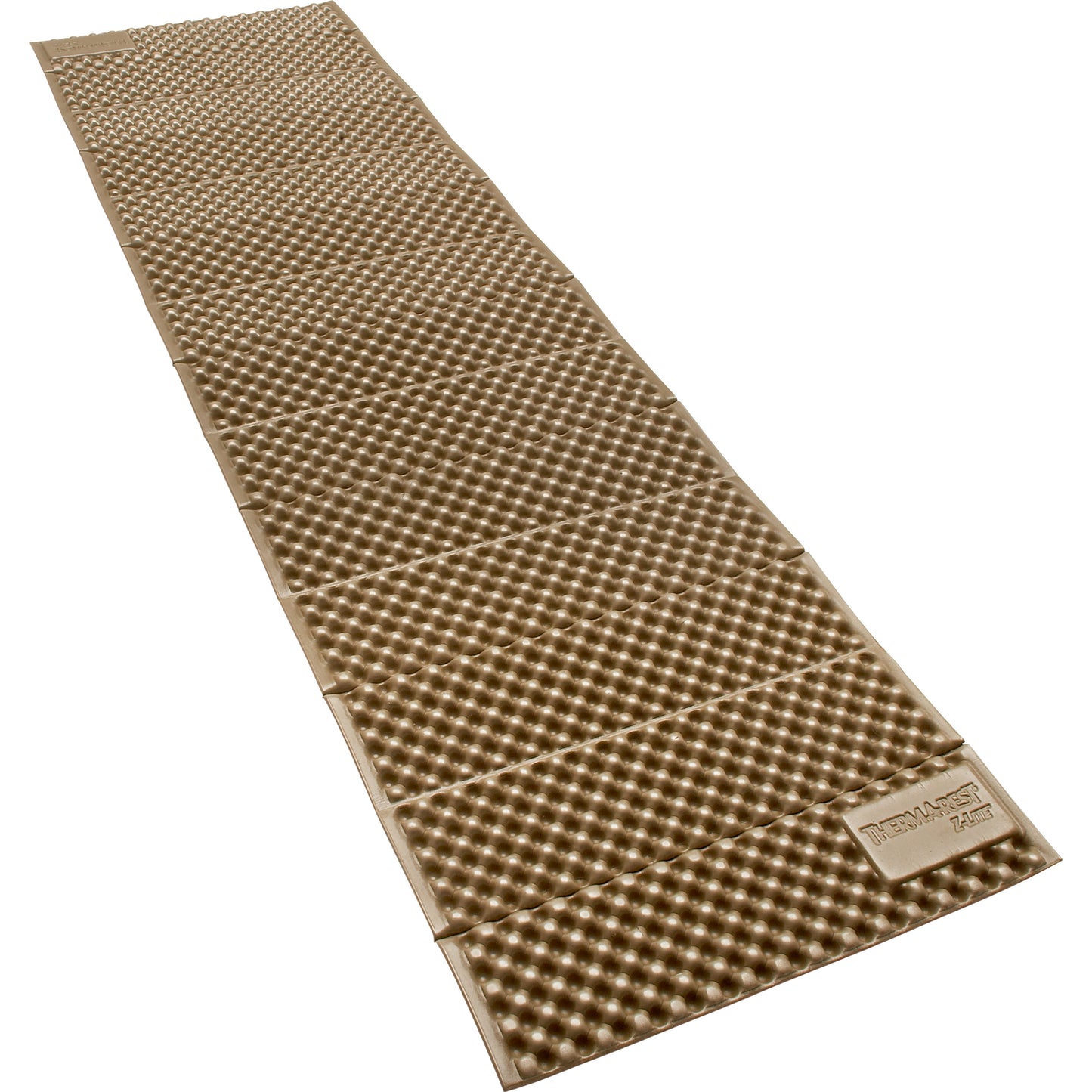
The Therm-A-Rest Z-Lite Regular Coyote/Gray offers slightly higher insulation with an R-Value of 2.2. It is designed for three-season backpacking and provides reliable ground protection in spring, summer, and fall.
Weighing just 14 ounces, it remains lightweight while offering strong durability. Its closed-cell foam resists wear and handles rocky or uneven ground well. The accordion design packs down to 20 x 5.5 inches, making storage and transport simple.
At under $50, this is one of the best budget-friendly sleeping pads available for backpackers who want proven performance.
Why Foam Pads Are Great Under $100
Foam pads like these offer major advantages for budget-conscious campers:
Reliable Durability
Closed-cell foam does not puncture like air pads. You can use them on rough terrain without stress.
Instant Setup
Unfold and sleep. There is no inflation time and no pump required.
Lightweight Design
All three options weigh under a pound, making them perfect for backpacking trips.
Solid Insulation
With R-Values around 2.0 to 2.2, they work well for three-season camping in moderate temperatures.
Affordable Pricing
At $49.95 to $59.95, they leave room in your budget for other essential gear.
Choosing the Right One
- If you want the lightest option possible, the NEMO Switchback is the best choice.
- If reflective warmth matters most, the Z-Lite SOL offers added heat retention.
- If you want the highest insulation rating at the lowest price, the Z-Lite Regular Coyote/Gray is a strong pick.
All three deliver dependable comfort under $100 and are excellent for backpacking, camping trips, and even emergency kits.
FAQs
What is the difference between the Z-Lite SOL and Z-Lite Regular?
The SOL version includes a reflective layer to help retain body heat. The Regular Coyote/Gray model focuses on insulation through foam design and offers a slightly higher R-Value.
Are foam sleeping pads comfortable enough for side sleepers?
Foam pads are firmer than inflatable pads. Side sleepers may prefer thicker air pads, but many hikers find these foam pads comfortable for shorter trips.
Can I use these pads in winter?
With R-Values around 2.0 to 2.2, they are best suited for three-season camping. For deep winter trips, you may need to layer them with another insulated pad.
Do foam pads absorb water?
Closed-cell foam resists moisture and dries quickly. They perform well in damp environments.
How long do these pads last?
With proper care, foam pads can last for years. They are known for long-term durability and consistent performance.