Sports and technology continue to grow closer every year. By 2026, this link will shape how athletes train, how teams plan games, and how fans follow their favorite sports. What once felt like future ideas are now part of daily sports life. From training fields to living rooms, technology is changing the sports world in clear and practical ways.
This blog explores the top sports technology trends to watch in 2026. These trends focus on better performance, safer play, smarter decisions, and deeper fan connection. The goal is not flashy ideas but useful tools that bring real value to athletes, teams, and fans.
Smarter Wearable Technology for Athletes
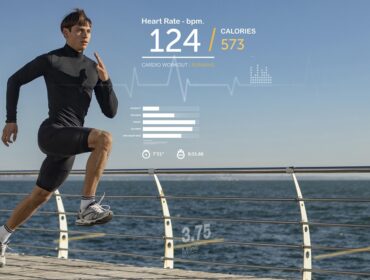
Wearable sports technology will become more advanced and more common in 2026. Athletes already use fitness bands and GPS trackers, but the next stage goes deeper. New wearables track heart rate patterns, muscle load, recovery time, and even stress levels in real time.
These devices help coaches and trainers understand how an athlete’s body responds during practice and competition. Training plans can be adjusted daily based on data rather than guesswork. This lowers injury risk and supports steady improvement.
In 2026, wearables will also feel lighter and more natural to wear. Many will be built into clothing, shoes, or protective gear. Athletes can move freely while still collecting useful data that supports long term health and performance.
Artificial Intelligence Driving Better Sports Decisions
Artificial intelligence is already part of sports analysis, but its role will grow much stronger by 2026. AI systems can study massive amounts of data in seconds. This includes player movement, past match results, fitness data, and opponent patterns.
Teams use AI tools to plan tactics, pick lineups, and manage game strategy. Coaches can review clear insights instead of sorting through endless spreadsheets. During matches, AI powered systems can offer live suggestions based on how the game unfolds.
AI will also support referee decisions and rule checks. Video review systems will become faster and more accurate. This helps reduce errors and builds trust in match outcomes across many sports.
Advanced Sports Analytics at Every Level
Sports analytics will no longer be limited to elite teams. By 2026, amateur clubs, schools, and training centers will also use data tools. Cloud based platforms make analytics more affordable and easier to access.
Performance data helps teams understand strengths and weak points. It shows which plays work best and where players need support. For individual athletes, analytics help track progress over time and set realistic goals.
Fans also benefit from sports analytics. Broadcasters use data to explain game moments in simple ways. Viewers can follow deeper stats during live matches, making the experience more engaging and easier to understand.
Smart Stadiums Enhancing the Fan Experience
Stadium technology will see major upgrades by 2026. Smart stadiums focus on comfort, safety, and connection. High speed internet, mobile ticketing, and contactless entry are already common, but the next wave goes further.
Fans can order food from seats, access real time replays, and receive game updates through stadium apps. Sensors help manage crowd flow, reduce waiting times, and improve safety.
Sustainability also plays a role. Smart energy systems control lighting, cooling, and water use. This reduces costs and supports greener sports venues. The stadium becomes a connected space that improves both the game day experience and daily operations.
Virtual Reality and Augmented Reality in Training
Virtual reality and augmented reality will become regular tools in sports training by 2026. VR allows athletes to practice skills in a controlled digital setting. Quarterbacks can read defenses, goalkeepers can face shots, and racers can learn tracks without physical strain.
AR tools add digital layers to real training spaces. Athletes can see visual guides, movement paths, or performance feedback while they train. This improves focus and learning speed.
These tools are also useful for injury recovery. Athletes can stay mentally sharp and rehearse movements even when physical training is limited. This supports faster and more confident returns to play.
Technology Improving Player Safety
Player safety remains a major focus across all sports. In 2026, technology will play a larger role in injury prevention and care. Smart helmets, mouthguards, and padding can detect impact force and head movement.
This data alerts medical staff when a player may need evaluation. Early detection helps manage concussions and reduce long term risks. Wearables also track fatigue and workload, helping teams avoid overtraining.
Medical imaging, recovery tools, and rehab software continue to improve. These technologies support safer careers and longer playing lives for athletes at every level.
Growth of Esports and Competitive Gaming Tech
Esports will continue its rapid growth into 2026. Competitive gaming now attracts large audiences, major sponsors, and professional athletes. Technology supports every part of this space, from high performance hardware to live streaming tools.
Advanced analytics track player reaction times, decision speed, and in game behavior. Training tools help players improve focus, teamwork, and consistency. Physical health tools also play a role as esports athletes focus on fitness and posture.
Fan engagement in esports is highly digital. Interactive streams, live chats, and real time stats create a strong sense of community. Traditional sports continue to learn from esports when it comes to digital fan connection.
Biometric Data and Personalized Training Plans
Biometric data will shape more personal training approaches by 2026. This includes sleep patterns, hydration levels, heart rate trends, and recovery signals. Instead of one size plans, athletes receive programs based on their unique needs.
This trend supports both performance and wellness. Training becomes smarter and more balanced. Athletes know when to push and when to rest.
Teams also benefit by managing group workloads more effectively. Balanced training reduces burnout and helps maintain strong performance across long seasons.
Fan Engagement Through Digital Platforms
Technology is changing how fans connect with sports. By 2026, digital platforms will offer more interactive experiences. Fans can choose camera angles, access behind the scenes content, and join live polls during games.
Social media, mobile apps, and streaming platforms work together to keep fans involved before, during, and after events. Loyalty programs reward engagement with exclusive content or offers.
This deeper connection helps sports brands build lasting relationships with fans. The focus shifts from watching a game to being part of the sports community.
Data Security and Ethics in Sports Technology
As sports technology grows, data security becomes more important. Athlete health data and performance metrics are highly sensitive. By 2026, strong data protection practices will be a key part of sports tech systems.
Clear rules around data ownership and use will gain attention. Athletes and teams want transparency and control. Ethical use of technology builds trust and supports long term adoption across sports.
Technology providers will focus on secure systems that respect privacy while still delivering valuable insights.
What the Future Holds
The sports technology trends of 2026 point toward a more connected, informed, and balanced sports world. Technology supports better performance, safer play, and richer fan experiences. It helps everyone involved make smarter choices based on real data.
As these tools become more common, the focus will stay on practical value rather than complexity. The best sports technology blends smoothly into the game, supporting athletes and fans without getting in the way.
Watching these trends unfold will be exciting. Sports in 2026 will feel familiar but more refined, driven by tools that improve how the game is played, watched, and understood.