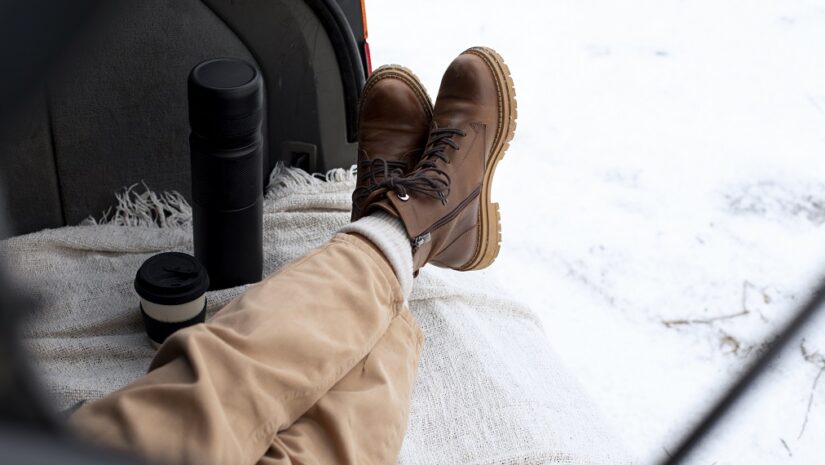
Winter hiking is a great way to enjoy fresh air, view snow covered trees, and get exercise. For beginners, one of the most important parts of getting ready is picking the right boots. Boots that keep your feet warm and dry and give solid grip on snow and ice can make your hike safe and fun. This guide will help you understand what features matter in winter hiking boots. It will walk you through fit, insulation, water resistance, traction, break in tips, and care. By the end you will know how to choose your first pair of winter hiking boots with confidence.
Why Winter Hiking Boots Matter
Winter hiking boots are different from summer trail runners or regular hiking boots. Winter boots are made to handle cold temperatures, snow, slush, and icy ground. A good pair helps your feet stay warm and dry and helps you walk safely on slippery surfaces. If you use the wrong boots you can get cold feet, blisters, sore ankles, and even risk injury from slips. For beginners, choosing boots that match the type of winter hikes you plan makes a big difference in how much you enjoy your time outdoors.
How Winter Boots Are Different
Winter boots have specific features that make them work well in cold weather:
Warm insulation to keep feet from getting cold
Waterproof materials to stop snow and slush from soaking in
Soles with strong grip for ice and snow
Better ankle support for uneven winter terrain
We will look at each of these parts in detail so you know what to look for when buying boots.
Finding the Right Fit
Fit is one of the most important things in any hiking boot, and it matters even more in winter. Cold weather means you will wear thicker socks. Boots that fit fine with light socks might feel too tight with winter socks.
When you try boots:
Wear the socks you will hike in.
Make sure there is a little space at the front so your toes do not hit the boot when you walk downhill.
Walk around in them on a hard floor before buying. They should feel snug but not tight.
Check the width so boots do not pinch the sides of your feet.
Boots that feel a bit firm at first should soften and shape to your feet over time. But they should not hurt when you first try them.
Insulation for Cold Weather
Insulation in winter boots keeps your feet warm when the temperature drops. Insulation is usually made from synthetic material or special fibers that trap warm air around your foot. Some boots list a temperature rating. These ratings are not perfect but give a general idea of how warm the boots can be.
For short winter walks close to home, lower insulation can be fine. For long hikes or very cold conditions, choose boots with higher insulation. Too much insulation can make boots heavier and warmer than you need on mild days. Think about where you will hike most often and how cold it gets in winter.
Waterproof and Water Resistant Materials
Waterproofing is key for winter boots. Snow, slush, and wet ground will soak your feet fast if boots are not waterproof. Most quality winter boots have a waterproof membrane inside the outer material. This membrane lets sweat escape but keeps outside water out.
Some common waterproof materials are:
Boot fabric with built in waterproof liner
Leather with waterproof treatment
Keep in mind that waterproof boots still need care. Dirty boots can lose waterproof ability over time. Cleaning and reapplying waterproof treatment can help them stay effective.
Traction for Snow and Ice
Winter trails can be hard packed snow, soft snow, or icy patches. Good traction helps you stay steady and reduces the chance of slipping. The sole of the boot is usually made of rubber with deep lugs. Deep lugs help grip on soft snow and uneven ground.
For icy trails you might want extra traction tools like microspikes. These fit over your winter boots and add metal points that grip ice. Boots with firm soles and added traction devices give the best control on slippery terrain.
Support and Stability
Winter ground can be uneven and tiring to walk on. Boots with strong ankle support help reduce strain on ankles and give better balance. High boots that go above the ankle give more protection and stability for heavy hiking packs and rough trails. Make sure the boot feels stable and does not let your ankle roll easily.
Weight and Comfort
Heavy boots can make your legs tire faster. But winter boots often need more insulation and stronger materials, which adds weight. When you choose boots, think about how far you will hike. For short hikes, a heavier boot with more warmth may be fine. For long hikes or backpacking trips, lighter boots with good warmth are better. Balance weight with comfort and needed warmth.
Materials and Durability
Winter boots are made from different materials. Leather is strong and can last many seasons. It also molds to your foot over time and can be more comfortable long term. Synthetic materials are lighter and dry faster after hikes. They can be easier to clean and still offer good waterproofing.
Look for boots with strong stitching and good quality materials. Cheap materials can wear out fast in winter conditions. Durability matters if you plan to hike often.
Trying on Boots Like a Pro
A good fitting process helps you pick the correct size and model. Here are tips when trying on boots:
Put on your winter hiking socks first.
Stand up and push your foot forward so toes touch the front. You should still have a thumb width of space at the front.
Walk around the store or house. Pay attention to any pressure points.
Make sure the heel does not slip when you walk. Heel slip can cause blisters.
Try different brands and models. Sizes can vary between makers.
Do not rush this process. A good fit is the key to happy hikes.
Breaking in Your Boots
Even well fitting boots need some break in time. This means wearing them around your home, neighborhood, or on short walks before you use them on long winter hikes. Breaking in lets the materials soften and shape to your feet. It also gives you a chance to notice any rubbing spots that might cause blisters. If you get hot spots, wear thicker socks or use blister prevention tape before your next walk.
Caring for Your Boots
Proper care helps winter boots last longer and stay waterproof. After each hike:
Remove dirt and mud with a soft brush or cloth.
Let your boots dry at room temperature. Do not put them near strong heat like heaters or fireplaces.
Remove the insoles so they dry faster.
If your boots are leather, apply a waterproof treatment suggested by the maker once in a while.
Clean boots and proper care make them work better and last many seasons.
Extra Gear to Pair with Boots
Winter hiking boots work best when paired with good accessories:
Gaiters keep snow from falling into your boots on deep snow hikes.
Traction aids like microspikes add grip on ice.
Warm merino wool socks help keep feet warm and reduce moisture inside boots.
These extras make winter hiking more comfortable and safer for beginners.
Common Mistakes Beginners Make
Choosing boots that are too small is one of the most common mistakes. Wearing boots that feel comfortable with winter socks on is important. Another error is picking boots without enough traction for icy trails. Even good tread can slip on ice without added grip tools. Some beginners also skip waterproofing, which leads to wet and cold feet quickly.
How to Choose Based on Your Hikes
Short Day Hikes
If you plan short winter walks on marked trails, boots with moderate insulation and waterproofing may be enough. Look for comfort and good grip for packed snow.
Cold Weather Hikes
If hikes are in cold temperatures below freezing, choose boots with higher insulation and strong waterproofing. Make sure traction is strong for icy spots.
Snowy or Mountain Trails
For deeper snow or trail climbing, choose boots with aggressive treads and support. Consider traction aids like crampons or microspikes with your boots.
Budget Tips
Winter boots come in many price ranges. High end boots usually offer better materials and longer life. But you can find good boots at lower prices that work well for beginners. When choosing budget boots, focus on fit, waterproofing, and grip. These three features matter most for comfort and safety.
When to Replace Your Boots
Your boots may need replacement when:
The soles are worn smooth and no longer grip snow.
The waterproofing fails and your feet get wet easily.
The insulation has broken down and your feet get very cold.
The boots feel uncomfortable even after break in.
Regularly check your boots so you know when it is time for new ones.
Final Words
Choosing the right winter hiking boots as a beginner can seem hard. But when you focus on fit, insulation, waterproofing, traction, and comfort you can find boots that make winter hikes fun. Let your planned hikes and weather be your guide for the features you need. Take your time trying boots on and break them in before long trips. With the right pair of boots your winter hiking adventures will be safer and more enjoyable.