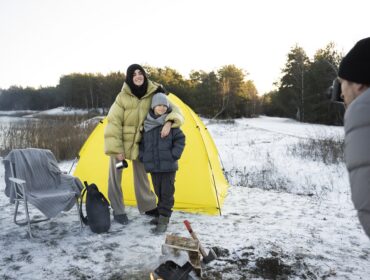
Camping is one of the best ways to immerse yourself in nature, but when temperatures drop, staying warm can become a challenge. Whether you’re camping in the mountains during the fall or braving the winter cold, it’s crucial to have strategies to keep warm throughout your trip. Here are some practical tips for staying warm while camping, ensuring you stay comfortable no matter how chilly it gets.
1. Layer Up Properly
The key to staying warm is wearing multiple layers of clothing. The layering system traps heat in between each layer and helps you regulate body temperature more efficiently. Here’s how you can layer properly:
-
Base Layer: This layer sits directly on your skin and should wick moisture away to keep you dry. Materials like merino wool or synthetic fabrics work best. Avoid cotton, as it traps moisture and can make you feel colder.
-
Insulating Layer: This layer provides warmth. Fleece, down, or synthetic jackets are good options. Insulating layers trap heat and help retain your body temperature.
-
Outer Layer: This layer protects against wind, rain, and snow. A waterproof and windproof jacket or shell will keep the cold out while allowing moisture to escape.
Be sure to add or remove layers based on your activity level and the weather.
2. Choose the Right Sleeping Bag
Your sleeping bag is one of the most important pieces of gear to stay warm. Make sure your sleeping bag is rated for the temperatures you expect to encounter. As mentioned earlier, sleeping bags come with temperature ratings that indicate the lowest temperature at which they’ll keep you warm. If you’re camping in cold conditions, choose a sleeping bag with a lower temperature rating to ensure it will keep you warm overnight.
-
Mummy Bags: For cold-weather camping, mummy bags are ideal. They provide a snug fit that minimizes the amount of air you need to warm up.
-
Sleeping Bag Liners: If you find your bag not warm enough, consider adding a liner. They add extra warmth and can improve comfort.
3. Use a Sleeping Pad or Mattress
When camping on cold ground, heat will escape from your body, making it harder to stay warm at night. A sleeping pad or mattress acts as an insulating barrier between you and the cold ground. Look for pads with good insulation, such as those made with closed-cell foam or inflatable mats with thermal insulation.
Make sure the sleeping pad you choose is rated for the conditions you’ll face. For example, pads designed for winter camping offer better insulation and warmth.
4. Keep Your Feet Warm
Your extremities are the first places to get cold when the temperature drops. Warm feet are essential for staying comfortable at night. Here’s how to keep your feet toasty:
-
Wear Wool or Merino Socks: Wool or merino socks are great for retaining heat. They’re moisture-wicking and keep your feet warm even when wet.
-
Use Foot Warmers: For extra warmth, consider using disposable foot warmers that you can place inside your socks.
-
Avoid Tight Footwear: Tight shoes or boots can restrict blood flow, making your feet colder. Make sure your boots have enough room for thicker socks.
5. Eat and Drink Warm Foods and Beverages
What you put inside your body affects how warm you feel. Eating a hearty meal before bed will fuel your body and give you energy to keep warm through the night. Likewise, drinking warm liquids like hot chocolate, tea, or coffee before bed will raise your body temperature.
Avoid drinking too much alcohol, as it can impair your body’s ability to regulate temperature and make you feel colder.
6. Stay Active During the Day
Keeping your body moving during the day will help keep your blood circulating and your body temperature regulated. Engage in activities like hiking, walking, or light exercises to maintain warmth. When you’re active, your body generates heat that will keep you comfortable.
However, be cautious about overexerting yourself, as sweating can make you feel colder once you stop moving. Always dress in layers that you can adjust as you warm up or cool down.
7. Use a Bivy Sack or Tent Vestibule
If you’re camping in extreme cold or wet conditions, consider using a bivy sack or setting up your tent’s vestibule for extra insulation. A bivy sack is a small, waterproof bag that covers your sleeping bag, providing an additional layer of warmth and protection from the elements. It’s an essential piece of gear for winter camping.
The vestibule of a tent also offers extra space for gear storage, but it can also help protect you from the cold wind and provide more insulation.
8. Insulate Your Tent
The temperature inside your tent can be significantly colder than outside, especially on clear nights. Here are a few ways to insulate your tent and keep it warmer:
-
Tent Footprint or Ground Sheet: Lay down a footprint or groundsheet underneath your tent to prevent heat loss through the ground.
-
Tent Insulation: Consider using thermal liners or insulating blankets inside your tent. These can reflect heat back into the tent and make a noticeable difference in temperature.
-
Seal Tent Openings: Make sure all windows and doors are properly sealed to keep drafts out. A good tent with weatherproofing features can help block cold air.
9. Hot Water Bottle or Heat Packs
An old trick for staying warm is to fill a bottle with hot water and place it in your sleeping bag. It works like a hot water bottle, providing warmth through the night. You can also use heat packs, which can be activated and placed in strategic locations in your sleeping bag or clothes.
Be sure the water bottle is securely sealed to prevent leaks.
10. Keep Your Head Covered
A significant amount of heat escapes through your head, so wearing a warm hat or beanie is essential. A well-insulated hat will keep you warm and reduce the heat loss from your head and neck.
When sleeping, wear a hat or balaclava to trap in body heat and keep your head comfortable. In addition, wearing a scarf or neck gaiter can help insulate your neck area, preventing heat loss.
Conclusion
Cold temperatures shouldn’t stop you from enjoying the great outdoors. With the right gear and strategies in place, you can stay warm and comfortable during your camping trip. From layering your clothes properly to choosing the right sleeping bag and tent, these tips will ensure you’re prepared for whatever weather conditions come your way. Embrace the winter wilderness, knowing you’ll be cozy and warm, no matter how low the temperature drops.