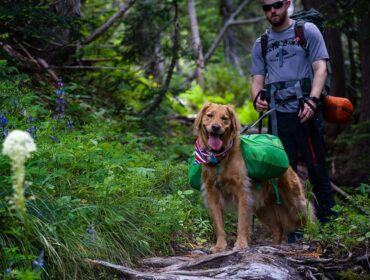
For many backpackers and serious hikers, getting in touch with nature is often easier to do alone. Hiking alone can be a thrilling, life changing experience. However, backpacking solo can also be dangerous, because there is no one else to rely on if something goes wrong. Taking a few precautions, though, can make solo backpacking a wonderful, safe experience, so check out these 5 tips for solo backpacking.
1. Inform friends or family
Solo backpackers should always remember to tell someone where they’re going. This rule is perhaps the best thing any hiker can do to ensure their safety. Backpackers should tell a friend or family member where they’ll be going and when they expect to return. This way, if the backpacker doesn’t check in on time, someone will know that they’re missing, and where to look for them. If a friend or family member isn’t available, check in with a local camping store or town hall. These places will take down information and expect a check in at a specific time.
2. Know Basic Survival Skills
Before embarking on a solo backpacking adventure, it’s very important to learn a few basic survival skills. Learning how to make a safe fire and how to find shelter in an emergency is crucial. Knowing how to treat a wound, in case of an accident, is also important. It can also be useful to know which plants in an area are edible, and which are toxic. In addition, know how to use a map and compass. GPS systems are extremely handy, but can often fail.

3. Bring emergency gear
In case of an emergency, always carry a cell phone or emergency locator beacon. If the worst happens and a hiker can’t move, these items can be used to signal for help. Carrying a whistle is also a fantastic idea. Whistles can be used to call to other hikers or to alert rescuers to a specific location.
4. Pack a light bag
When planning a solo backpacking trip, pack only light gear, but remember to bring anything essential. Lighter gear makes hiking easier and lessens the chance of injuries. Cut down on unnecessary items by carrying a smaller, brighter flashlight and a multi-purpose pocket knife, instead of several larger tools.
5. Know your limits
Solo hikers should always be aware of their surroundings. Hikers should avoid areas that are above their skill level. Having items such as a GPS or cell phone handy can sometimes make backpackers feel overly safe, which can lead to accidents. Always remember to be thoughtful and careful to avoid injuries.
Wrapping up our list of tips for solo backpacking, we thought you might also like: The Rewards and Risks of Deep Water Solo Rock Climbing & 3 Great Places to Enjoy Solo Camping
Featured Image from Leo Foureaux/Unsplash